


Modern biotechnology encompasses a variety of techniques that are used extensively in today’s labs, such as genetic engineering and recombinant DNA techniques. In this video, we’re going to explore a revolutionary biotechnology technique called CRISPR. This technique allows scientists to manipulate DNA sequences with great precision, making genetic modifications faster and more accessible than ever before.
CRISPR stands for Clustered Regularly Interspaced Short Palindromic Repeats, which refers to an unusual set of DNA repeats discovered in the 1980s by the Ishino research group. These 29 nucleotide repeats, shown here as gray blocks, are accompanied by unique 32 base pair DNA sequences known as spacers, represented by circles. Researchers didn’t understand the purpose of these repetitive sequences. After further sequence analysis, researchers identified that the CRISPR regions were always placed near a group of genes coding for nucleases, or enzymes that could cut DNA. They called these enzymes “Cas,” for CRISPR-associated enzymes.
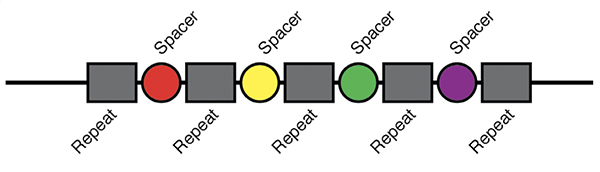
As DNA sequencing became cheaper and more accessible, researchers used the technology to analyze the CRISPR regions. The results showed the “spacer” sequences matched viral genomes. But why?
It turns out that CRISPR evolved in bacteria as a defense against viral attacks. When a virus infects a bacterium, the bacterium recognizes the viral DNA as foreign and cuts it into pieces to prevent viral replication. Simultaneously, it collects a piece of the viral genome and places it into a spacer within its own CRISPR DNA, creating a database of previous viral infections.
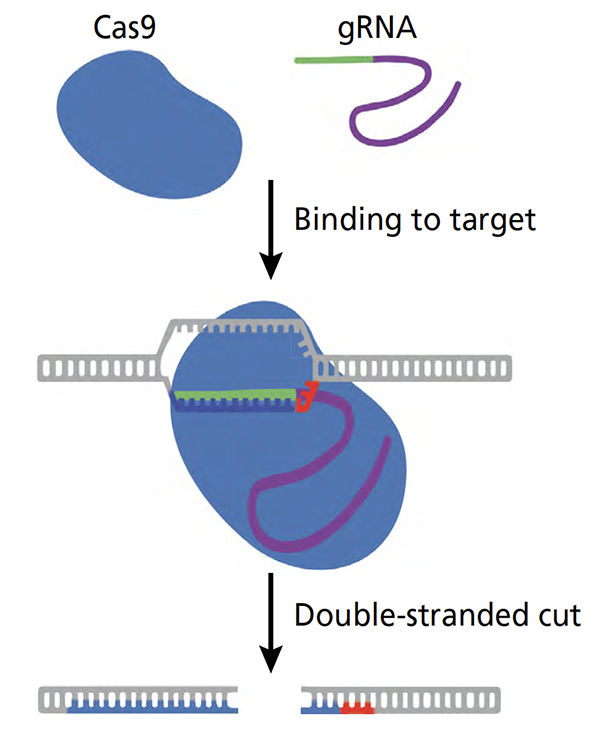
This is where the Cas enzymes come into play as a defense against viruses. The bacterium transcribes the viral DNA from the CRISPR database into a strand of RNA, which forms a complex with the Cas enzyme. This protein-RNA complex patrols the cell, searching for a match between the RNA and foreign DNA. When a match is found, the Cas enzyme cuts the invader’s genome, preventing the virus from replicating.
In the early 2010s, three researcher groups recognized the potential of CRISPR as a gene editing tool. They realized that they could design guide RNAs to find a specific DNA sequence in a genome and attack it with precision. This research made CRISPR a powerful tool and not just an interesting phenomenon. This allows researchers to knock out specific genes, make changes in existing genes, or insert new genes.
CRISPR has become one of the most exciting biotechnology breakthroughs of the past decade due to its precision and programmability. In the future, CRISPR will become a valuable part of our efforts to improve human health, to improve our food supply, and to advance any arm of science that involves living cells, such as biofuels and waste management.
Do you want to teach your students about CRISPR in the classroom? Check out our offerings, including simulations and REAL CRISPR
 The Official Blog of Edvotek®
3 comments
Comments are closed.