


Ah, the joys of summer! It’s July, and we’re catching fireflies, savoring garden-ripe tomatoes, and, of course, thinking about biology. Have you ever wondered what makes summer so special? Well, it turns out that genes and genetics take center stage in this magnificent season. So, let’s dive into the captivating DNA behind the magic of summertime!

Have you ever noticed that during the summer, you feel more energized and awake at night? That’s because our internal body clock, known as our circadian rhythm, is regulated by various genes, including PER1, PER2, and PER3. PER1 controls the timing of the biological clock’s internal “oscillations” and leads to a rhythmic rise and fall in gene expression levels over a 24-hour cycle. PER2 codes for proteins that inhibit the activity of certain genes during specific periods of daylight. The function of PER3 is less well-known, but variations in the PER3 gene have been associated with differences in sleep patterns and circadian-related disorders like SADs. Together, these circadian rhythm genes delay our melatonin production in the summer, resulting in a shift towards a later sleep schedule. Bring on the late-night concerts and backyard barbecues!
Humans aren’t the only ones energized by the changing seasons. Plants also have genetic mechanisms to respond to longer days. Many plants begin flowering when daylight reaches a specific threshold called critical day length, which varies by species. But how do they do this? Well, in Arabidopsis thaliana, the signal is initiated by the production of messenger RNA (mRNA) coding for a transcription factor called CONSTANS (CO). CO mRNA is produced approximately 12 hours after dawn and is then translated into CO protein. However, CO protein is stable only in light, so its levels stay low throughout short days but peak during summer. High levels of CO protein, in turn, promote another gene called Flowering Locus T (FT). This means that flowers will bloom during longer spring or summer days. Pretty smart for a flower, right?
While humans and plants enjoy the summer buzz, insects take it up a notch as well. Just like plants and us, insects exhibit a photoperiodic response, which involves a sequence of several events, including photoreception (detecting light), measuring day or night length, counting the number of days of a certain length, and finally activating the endocrine effectors that trigger seasonal events. As you can imagine, many genes play a role in these actions. In Drosophila, the core feedback loop is established by the CLOCK (CLK) and CYCLE (CYC) genes. Genes play a vital role in helping living organisms recognize and embrace the arrival of summer. They also enable organisms to adapt and thrive in the heat that comes with it!
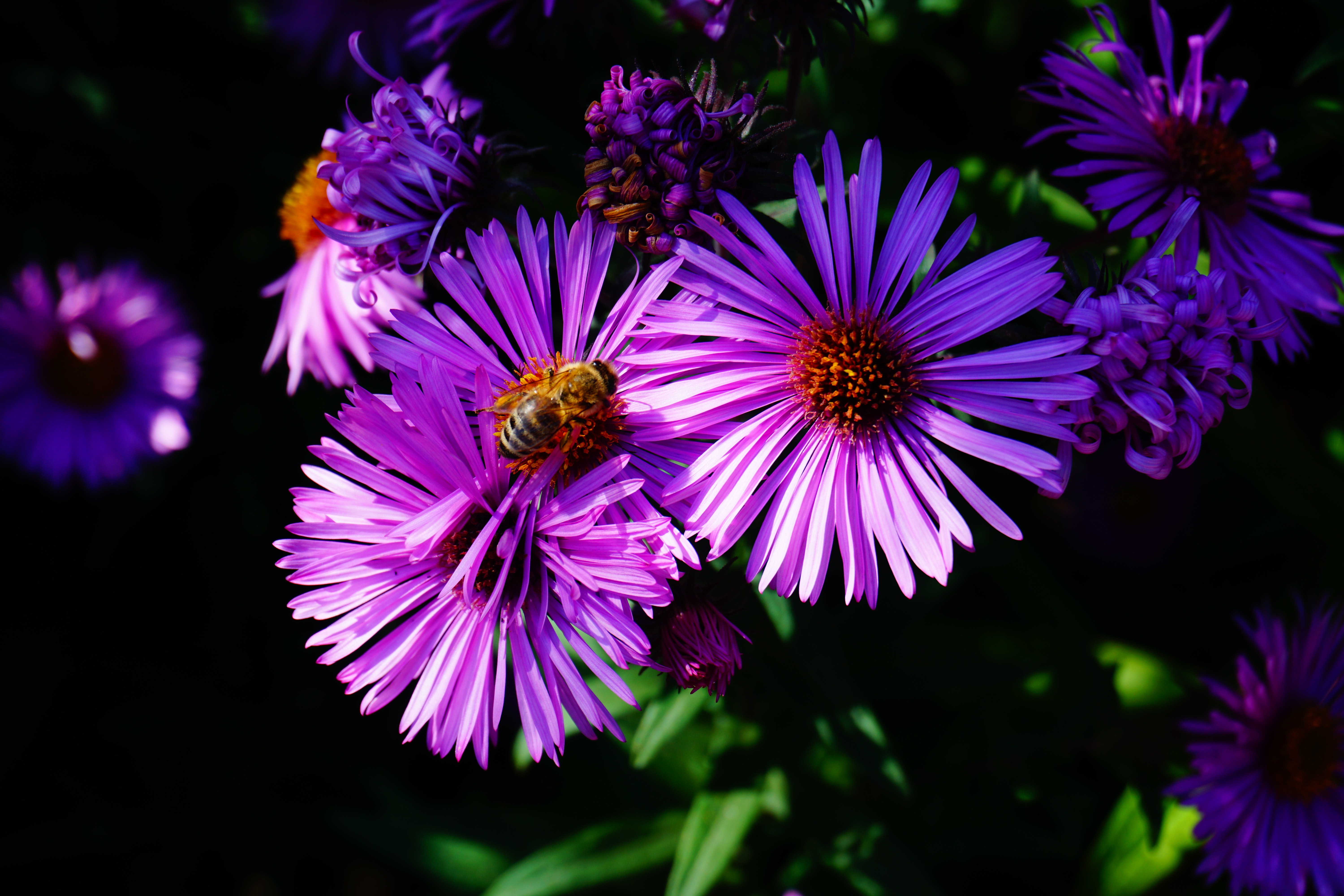
Bees are the hardworking heroes of summer, pollinating plants and ensuring a bountiful harvest. But did you know that even bees can suffer from heatstroke? Fortunately, their genes come to the rescue. Heat shock proteins (Hsps) are a group of genes that help organisms respond to and cope with elevated temperatures. Bumblebees express certain heat shock proteins thanks to genes like HSP70 and HSP90, which play a crucial role in protecting their cells from heat-induced damage. These proteins help maintain cellular integrity, facilitate protein folding, and ensure overall physiological homeostasis, enabling bumblebees to withstand the combination of high exertion and high temperatures.
After the bees have gone, but you are still wide awake (thanks to the circadian genes), you might notice another summertime insect inhabiting the night sky—the firefly. This iconic summer flyer has contributed to the creation of cherished memories, thanks to its luminescence. Fireflies produce light through an enzymatic reaction mediated by luciferase enzymes. Luciferase genes are responsible for encoding these enzymes. The most common luciferase gene in fireflies is called LUCIFERASE (LUC) or FIREFLY LUCIFERASE (FLUC). Luciferase acts on a molecule called luciferin, causing it to undergo oxidation and emit light.
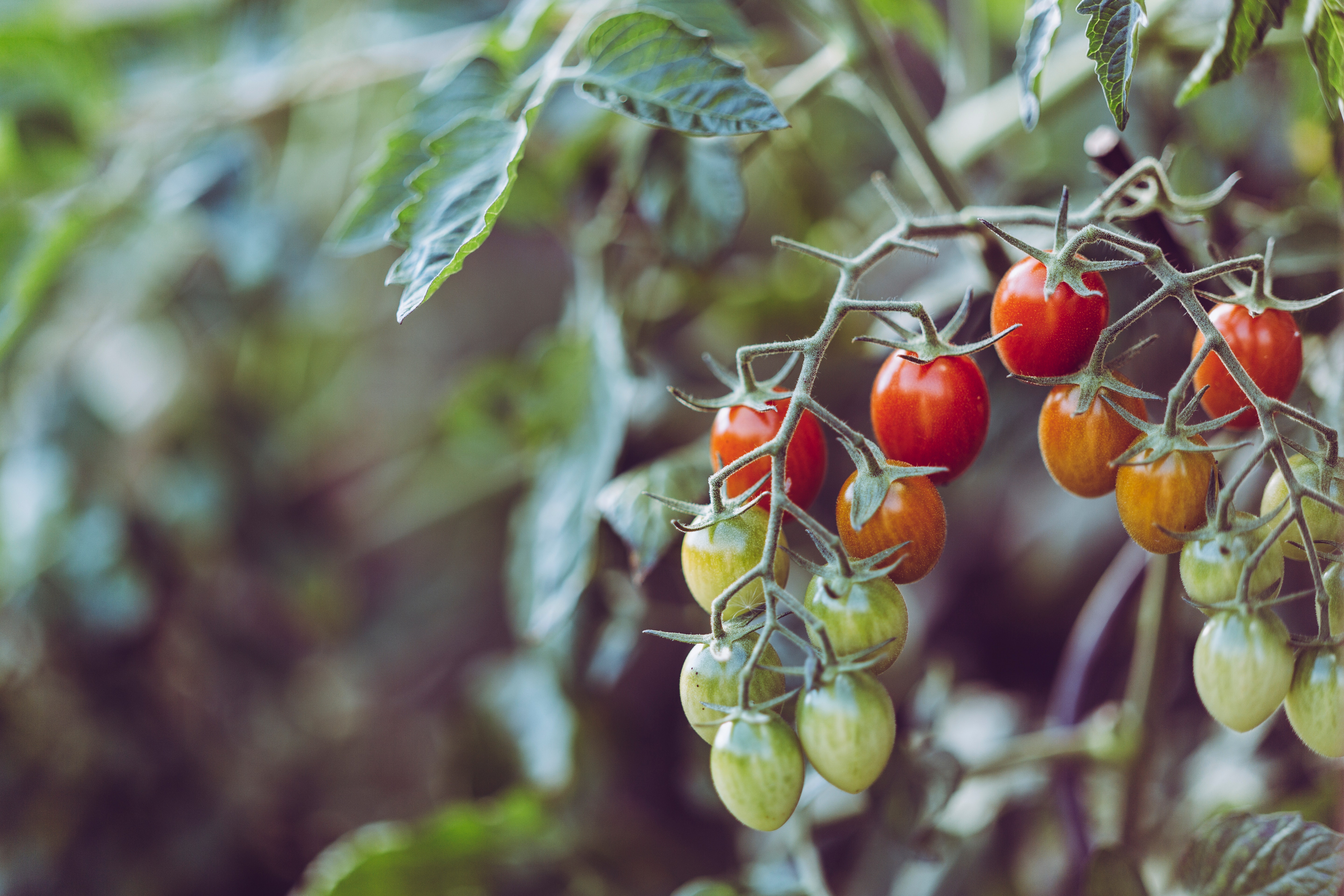
Even the taste and appearance of summer fruits like watermelon and tomatoes are influenced by specific genes. Both the sweet taste and bright pink color of watermelon have been linked to a single gene called CLAUSA-INDEPENDENT VASCULAR STRAND or CIVST1. A single base pair change in this gene early in watermelon domestication created a novel sugar transporter, which made the fruit much sweeter and more colorful. The gene primarily responsible for the delicious taste of tomatoes in the summer is known as the FLAVOR-SIGNIFICANT GENE 2 or simply, the FS2 gene. The FS2 gene is involved in the production of flavor-enhancing compounds in tomatoes, particularly during warmer temperatures and ripe fruit development stages. It also influences the synthesis of volatile organic compounds and aroma compounds that contribute to the distinctive smell of fresh summer tomatoes.
So as you soak up the sunshine and embrace the joys of summer, let’s raise a toast to the remarkable genes that make this season truly special!
 The Official Blog of Edvotek®