


Hey there, aspiring biologists-to-be! Can you believe the next semester is just around the corner? That means that it’s time to choose courses. If you’re thinking of signing up for a class with a significant lab component (or if you’re already signed up for one and want to know how best to prepare) you’ve come to the right place! In this post, we’ll explore the key differences between lab and lecture learning, highlight the distinct advantages and potential challenges of lab courses, and finally share valuable tips to help you excel in the lab.
The Science Lecture Course

Let’s begin by revisiting the traditional science lecture course, the backbone of academic learning for centuries, and a familiar model for you since middle school. The primary focus of lecture courses is to convey theoretical knowledge and delve into fundamental concepts. In a lecture course, you’ll find yourself seated among fellow students, absorbing information presented by the instructor through slide presentations, whiteboard explanations, and multimedia displays. There will also be active participation through questions, and group discussions/exercises. Combining these activities will help you to grasp the intricacies of complex biological processes.
The Science Lab Course
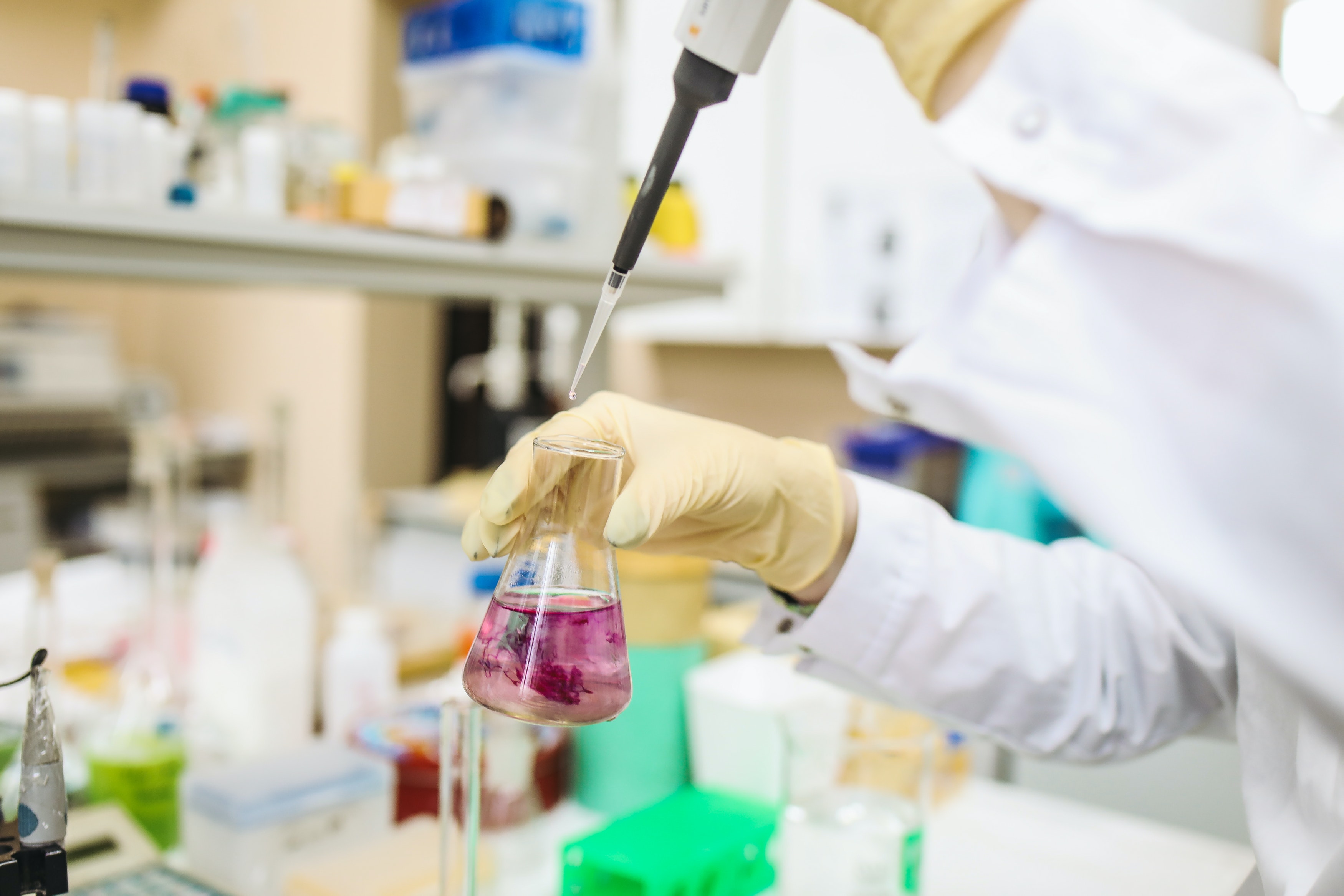
Now, fasten your lab coats as we step into the captivating world of science lab courses. Here, learning takes on a more hands-on and experiential form. Science comes to life as you put theory into action, performing experiments based on key biological concepts. In labs, you’ll work in small groups, equipped with specialized apparatus, instructions, and safety protocols. You’ll actively engage in creating and executing experiments, guided by supportive lab instructors and teaching assistants. Not only does this solidify your understanding of biology, but it also hones critical laboratory skills, fosters creative problem-solving, and cultivates collaboration – skills that hold immense value, irrespective of the career path you choose.
Key Differences
Learning Approach: In lecture courses, the emphasis is on theoretical knowledge, understanding concepts, and absorbing a vast amount of information. These classes often follow a one-way flow of information, with the instructor delivering content. While active participation is encouraged, it can be challenging for every student to engage. In contrast, lab courses focus on practical application and learning by doing and discovering.
Class Structure: Science lecture courses usually have larger class sizes, ranging from dozens to hundreds of students. Lab courses feature smaller class sizes which promote a more intimate and interactive learning environment. This setting facilitates direct interactions with instructors and peers.
Class Time: While most lecture sessions typically last around an hour, labs often stretch longer due to the sometimes fascinating and sometimes frustrating intricacies of biological experiments and biology itself.
Homework: In lecture sections, you’ll encounter a substantial amount of reading and post-class assessments. In labs, much of the action happens during the lab but you’ll also engaged in serious work outside of class. This includes prep work like background reading and rehearsing experimental steps as well as post-experimental work like analyzing, evaluating, and sharing results.
Assessment Methods: In lecture courses, your understanding is typically evaluated through exams, quizzes, essays, and possibly class participation. These assessments gauge your comprehension of theoretical concepts and your ability to apply them to various scenarios. Lab courses will evaluate your participation, your comprehension, and your design/analysis skills. You’ll likely be required to submit lab reports that describe your experiments and interpret their results. In addition, there may be an independent project or lab practical at the end of the semester.
Advantages of Taking a Lab
- Deeper Understanding: Lab courses provide hands-on experiences that go beyond textbooks, offering profound insights into complex biological concepts. Witnessing scientific principles in action enhances comprehension and fosters a genuine appreciation for the wonders of life.
- Discovering discovering: In labs, you actively engage in scientific inquiry. As highlighted in this post this can be different from learning science through lectures and reading. For those contemplating a career in science, labs serve as an excellent testing ground to explore personal affinity, passion, and suitability for research.
- Critical Science Skills: Critical thinking, planning, performing under pressure, attention to detail, and creativity are all indispensable abilities for a scientific career. As you immerse yourself in hands-on experimentation throughout the semesters, these core skills become second nature and prepare you for many scientific pursuits.
- Practical Laboratory Expertise: Embracing a lab semester will broaden your skill set to encompass vital techniques like pipetting, microscopy, or cell culture. These skills are essential to research success and can also boost your prospects of securing sought-after internships and jobs.
- Teamplayer Skills: Often lab work is carried out in pairs or teams. Enrolling in a lab course will nurture your ability to communicate and collaborate effectively with peers – skills that prove indispensable in diverse real-world settings.
Challenges of Taking a Lab
- Significant In-Class Time Commitment: Labs can occupy a substantial portion of your schedule, often requiring an entire afternoon dedicated to a single subject. However, many institutions recognize the added time commitment by allotting more credits to lab courses.
- The Learning Curve of New Skills: Excelling in the lab demands mastering a distinct set of skills that complement your lecture class prowess. Navigating intricate experiments with multiple steps, variables, and potential sources of error requires focus, preparation, and finesse. Additionally, lab reports call for a different style of scientific writing. Luckily, these skills will be taught and cultivated in lab classes.
- The Good and the Not So Good of Groups: Contrary to the stereotypical image of the lone scientist, most research happens in teams. As previously mentioned in point #5, labs mostly happen in pair or group settings. While group work can be both enjoyable, fun, and rewarding, it also presents challenges. Successfully collaborating with lab partners demands excellent communication, skillful negotiation of responsibility sharing, and the ability to address conflicts arising from diverse personalities and work styles. For helpful tips on navigating small group dynamics, be sure to check out this page.
How to Succeed in a Science Lab Course
If you’ve decided to take the plunge and try a lab course here are our tips for success.
- Prioritize Pre-Lab Prep. Unlike a lecture where you’re receiving information, in labs you’ll ideally hit the ground running. Teachers will often assign a background and procedures reading beforehand. While you can show up to a lab without doing these, the effect will likely be that your experiment takes longer, is more stressful to complete, and has a much higher chance of difficulties. So put in the time beforehand to have a faster, more successful, and more enjoyable experiment.
- Take Notes. Although labs differ from lectures, note-taking remains valuable. Documenting key points and observations during the lab will aid you in writing up any reports and can prove beneficial when preparing for a lab practical, if applicable.
- Tackle the lab report as soon as you can. Many labs require written reports after an experiment is completed. It’s worth being proactive and investing time in crafting at least a draft while the experiment is still fresh in your mind.
- Practice Effective Communication. Cultivate collaboration and responsibility sharing within your lab group to streamline the experimental process and enhance the overall learning experience. Strengthening group functionality benefits everyone and builds a valuable skillset.
- Don’t hesitate to ask questions. In a lab, this advice carries particular potency. Seeking clarification about procedures can save time and prevent errors. Asking “I wonder” and “why” questions can also lead to cool answers, amazing side projects, and discoveries.

A lecture and lab course packs a powerful scientific punch. In many ways, they are the dynamic duo of scientific education. In a lecture course, you’ll have the opportunity to learn fundamental principles and theoretical knowledge. You’ll gain a fundamental framework and a profound understanding of biology and science! Lab courses providing invaluable hands-on experiences that complement the knowledge gained in lectures. These immersive and interactive learning opportunities offer you the chance to put scientific principles into practice, gain practical skills, and foster the expertise needed for real-world research. Beyond imparting these essential skills, lab courses are a dynamic environment where you’ll get to experience the joys (and challenges) of scientific exploration. Embracing the complementary nature of science lab and lecture courses will propel you toward success in your academic journey and future scientific endeavors! Our best advice: dive into these diverse learning experiences with enthusiasm and an open mind, ask questions, and learn.
 The Official Blog of Edvotek®