
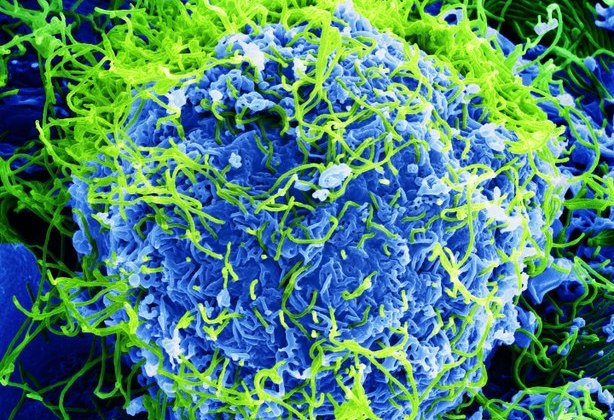

Scientists have estimated the presence of a staggering 10 nonillion (10^31) viruses on our planet, a number that surpasses stars in the universe by a factor of 100 million. While viruses are often synonymous with illness and harm, their immense diversity hints at a much more complex narrative. Yes, viruses possess the extraordinary capability to invade cells, hijack their inner workings, and replicate, often wreaking destruction in the process. However, viruses also play a crucial role in our world. If all viruses were to suddenly disappear, our planet would undergo drastic changes, and not for the better. Viruses are a key part of our microbiomes, have significantly influenced our species’ evolution, and have been instrumental in some of the most groundbreaking scientific advancements of the past century. They also help shape Earth’s oxygen-rich atmosphere and foster its biodiversity. In this article, we’re challenging the negative stereotypes surrounding viruses and highlighting the ways they benefit both our species and the planet.
“If all viruses suddenly disappeared, the world would be a wonderful place for about a day and a half, and then we’d all die – that’s the bottom line. All the essential things they do in the world far outweigh the bad things.” Dr. Tony Goldberg
Gut Defender
When discussing the human microbiome, bacteria often take center stage. However, we shouldn’t overlook the presence of viruses. Because of their incredibly small size and hard-to-decipher genetics, scientists are just starting to study the human virome or all the viruses that call us home. However, emerging evidence suggests that the virome constitutes one of the largest and most dynamically active components of our microbiome, potentially playing a significant role in maintaining our overall well-being by attacking harmful bacteria.

Bacteria Busters
Bacteriophages, the viruses that infect and eliminate bacteria, are emerging as a powerful tool for doctors fighting bacterial infections. Such phage therapy may be an invaluable alternative in cases of antibiotic resistance. In addition, bacteriophages target specific bacteria, sparing beneficial microbes and potentially minimizing side effects. Scientists are currently exploring the effectiveness of phage therapy against various bacterial infections, including staphylococcal lung infections, P. aeruginosa infections in cystic fibrosis patients, eye infections, neonatal sepsis, and surgical wound infections.
Cancer Fighters
While certain viruses, such as oncoviruses, can increase cancer risks other viruses are helping the fight against cancers. Researchers have engineered strains of herpes simplex virus (HSV), Newcastle disease virus (NDV), and vesicular stomatitis virus (VSV) as oncolytic viruses. These specialized viruses selectively infect and destroy cancer cells while also helping to trigger the immune system around a tumor. Read more about oncolytic virus therapy here. Scientists are also using viruses to create Virus Like Particles, or VLPS, that can be used as delivery systems for anti-cancer drugs. You can read more about this technology here.
Vaccines
Virus Like Particles (VLPs) are also being used to stimulate and train our immune system to fight viral infections. Currently, the FDA has approved VLP for hepatitis B and HPV. In the EU there is also a VLP vaccine for Malaria. Other vaccines make use of inactivated viruses and attenuated viruses. Read more about the many types of vaccines here.
Delivery Experts

Viruses’ ability to efficient delivery genetic information to specific cells is being harnessed by researchers and doctors in many ways. One notable example is the use of viruses in CRISPR experiments. CRISPR-Cas9, a revolutionary gene editing tool, requires a delivery system to transport the Cas9 enzyme and guide RNA into target cells. Viral vectors, such as adeno-associated viruses (AAVs) or lentiviruses, are often employed as carriers for delivering the CRISPR components.
Lab Partners
In the 1950s, the Hershey-Chase experiment unveiled a groundbreaking revelation: DNA, not proteins, holds the key to life’s genetic code. This discovery was made by labeling the DNA and protein coat of T2 bacteriophages with radioactive markers and then observing which entered infected bacterial cells. This pivotal experiment solidified the understanding that DNA carries genetic information and sparked a revolution in genetics and molecular biology but couldn’t have happened without the use of T2.
DNA Lenders
Our genome contains remnants of ancient viral infections known as endogenous retroviruses (ERVs). While these ERVs comprise a significant portion, approximately 8-10%, of our genome, most of them are non-coding. However, there are noteworthy exceptions. In 2018, evolutionary biologists discovered that a protein critical for cell fusion in the placenta likely originated from an ancient retrovirus that infected our ancestors over 100 million years ago (read the article here). That same year, scientists hypothesized a viral origin for a gene involved in long-term memory formation (read NIH’s summary here). More recently, in 2022, researchers from Cornell provided compelling evidence suggesting that several ERVs may play a role in our body’s defense against infections (read the news story here).
Nature’s Regulators
While much of this list has focused on human health, it’s also worth broadening our perspective and exploring the ecological impacts of viruses. Viruses act as nature’s regulators. They prevent the dominance of any one species by employing the strategy of “kill the winner” e.g. targeting the fastest-growing and most predominant species. This creates vital breathing room for other organisms. For example, in the ocean, viruses eliminate roughly half of the bacteria daily which ensures that oxygen-producing plankton can also thrive and perform photosynthesis. These plankton in turn supports the foundation of the ocean’s energy pyramid and generates a substantial (~50%) portion of the oxygen required for life on Earth.
In the vast uncharted realm of viruses, scientists have only scratched the surface of their life-sustaining potential. As we continue to unravel the mysteries of these microscopic marvels, we gain the tools to harness their power for good, fortify our defenses against potential pandemics, and unlock the secrets of life’s intricate web. Learn more about viruses by checking out some of our previous popular posts: Five Viruses You Should Know and Using ELISA to Detect West Nile Virus.
Title image attribution: BernbaumJG, CC BY 4.0 https://creativecommons.org/licenses/by/4.0, via Wikimedia Commons
 The Official Blog of Edvotek®
2 comments
Comments are closed.