


It’s February, the days feeling a bit gray, and we’re looking for an extra dose of inspiration and color. Enter ‘Brushes and Beakers,’ a series set to brighten up the month by exploring the lives of incredible artist-scientists. So get ready to break free from the gray and spark creativity and beauty in your STEAM classrooms.
Maria Sibylla Merian
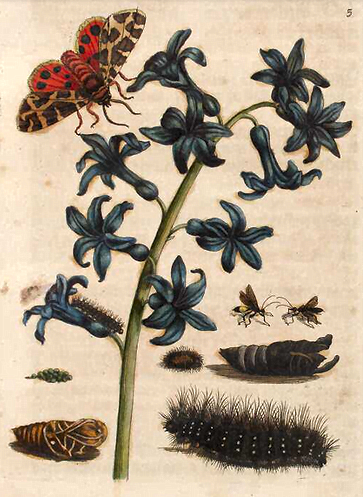
Maria Sibylla Merian (1647 – 1717) boldly defied societal expectations, emerging as a groundbreaking entomologist and illustrator in an era that confined women to different roles. Born as the ninth child to a Swiss engraver and publisher, Merian’s fascination with the natural world, particularly butterflies and insects, blossomed early. Her artistic training, received from her stepfather—a painter—and his apprentices, set the stage for a revolutionary approach.
While contemporaneous still-life painters incorporated insects into their compositions, Merian placed them front and center. To do this, she began breeding and studying them, starting with a batch of silkworm moths at age 13! In 1679 and 1683, she challenged prevailing beliefs with a two-volume series featuring 100 engravings of caterpillars and butterflies. At a time when people believed insects spontaneously generated from dirt, Merian’s work provided concrete evidence to the contrary.
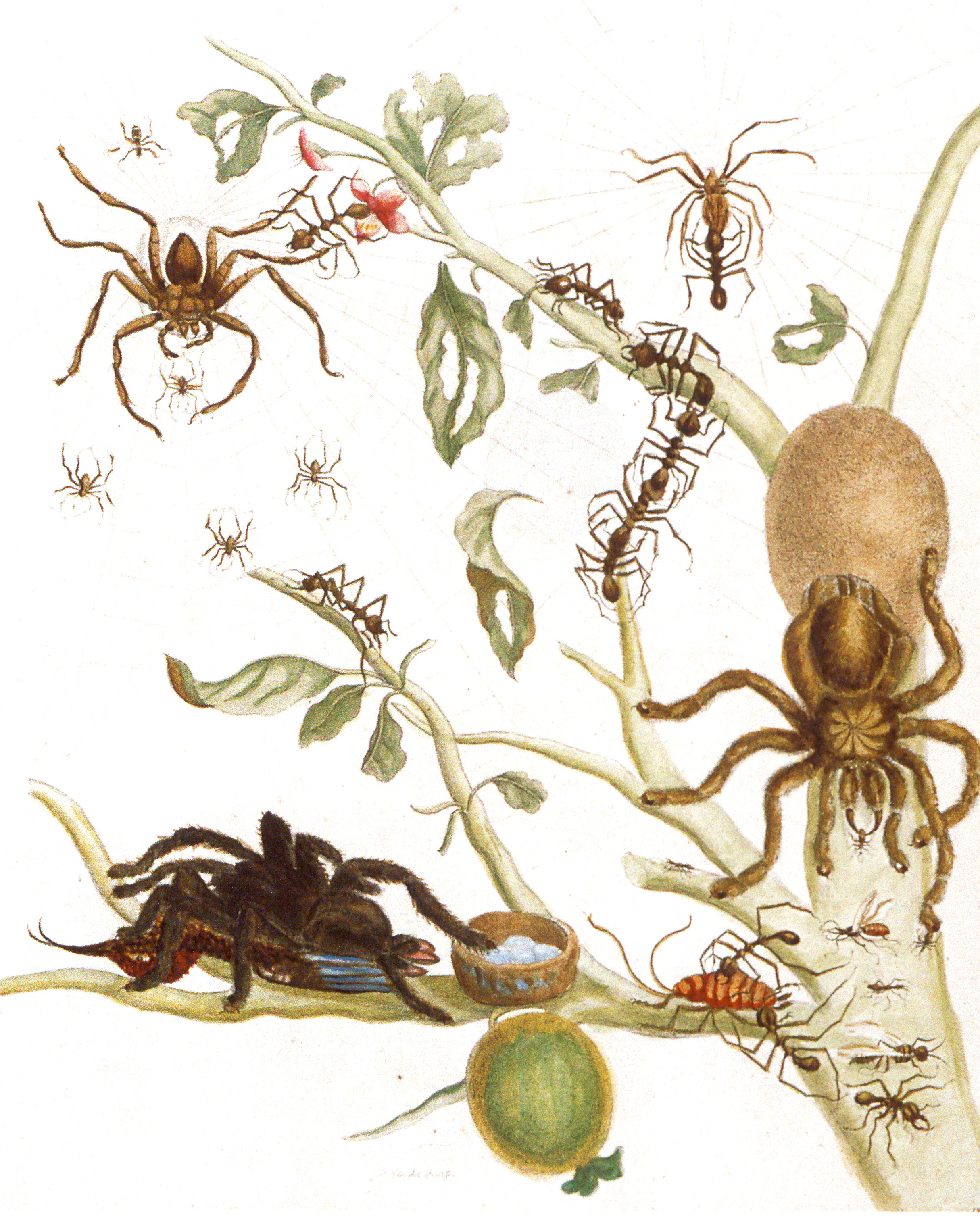
Throughout her life, Merian meticulously documented the metamorphosis process. She also recorded the physical appearance, behavior, and plant hosts of over 186 European insect species. At the age of fifty-two, Merian utilized funds from her art sales to embark on a journey to Suriname in South America, accompanied by her eldest daughter. Their observations focused not only on insect and plant biodiversity but also on local knowledge and ecological relationships. The culmination of her journey was the publication “Metamorphosis Insectorum Surinamensium.” This book was ground-breaking in many ways and had an enormous impact on the European perception of the tropical New World and the life cycles of insects.

Today, Mrs. Merian is considered one of the most significant contributors to entomology, thanks to her research into the life cycles and the hundreds of species she documented. She’s renowned in the art world for her innovative depictions, wherein natural history subjects were illustrated to showcase their inherent context and emphasize crucial aspects of their lives, such as interspecies competition.
Examine these innovative illustrations at the Royal Collection Trust’s digital resource for Metamorphosis insectorum Surinamensium. And if you’re looking for a good way to introduce this amazing individual to your class (or friends), share this BBC short on her [3:58].
 The Official Blog of Edvotek®