


CRISPR-Cas, the game-changing gene-editing tool, is spearheading a scientific revolution across diverse fields from medicine to sustainable technologies. Since its arrival on the biotech scene, this remarkable tool has garnered significant attention because of its unparalleled precision, simplicity, and universality.
There’s a wealth of great resources focusing on the fascinating science behind CRISPR and on the technology’s immense potential in the coming decades. But in these posts we’re taking a step back and highlighting the impressive accomplishments and remarkable breakthroughs that have already happened thanks to CRISPR.
Here are three incredible CRISPR technologies that are currently changing the medical landscape and saving lives.
Gene Therapies
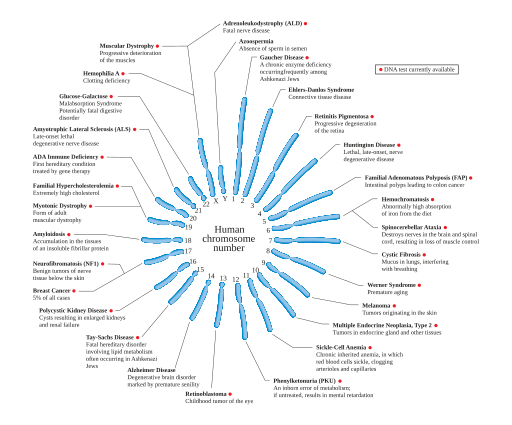
CRISPR has been hailed as the beginning of the end for genetic diseases. The world’s first CRISPR therapy treats sickle cell disease by restoring the expression of fetal hemoglobin in individuals. This therapy progressed from the laboratory through all three phases of clinical trials and received approval in a record-breaking time of 11 years. You can read more about it here. Scientists are also working on curing transthyretin amyloidosis, antitrypsin deficiency, Huntington’s disease, muscular dystrophy, and many of the over five thousand inherited conditions that can potentially be cured by CRISPR. Check out this site for a a detailed rundown of current clinical trials involving CRISPR.
Cancer Cures
Scientists have long known that certain DNA mutations can cause cancer. However, finding a fast, accessible, and safe tool to correct those changes has proven difficult. Scientists hope that CRISPR-based gene editing may one day treat cancer by repairing the genetic changes that drive the growth and spread of tumors. However, the first clinical trial in the US to use CRISPR to treat cancer has taken a slightly different approach. In this trial, researchers used CRISPR to modify patient’s T-cells so that these cells could better recognize and eliminate the patient’s cancerous cells. While the trial yielded mixed results—exhibiting temporary effects in some patients and no discernible impact on tumor progression in others—it demonstrated the safety of the treatment for all participants. Moreover, the success, albeit partial, of the CRISPR editing cell therapy lays the groundwork for further advancements in cell based immune therapies and CRISPR cancer treatment. Check out the post “How CRISPR Is Changing Cancer Research and Treatment” and the article “Application of CRISPR/Cas9 Technology in Cancer Treatment: A Future Direction” for more information.

Detection and Diagnosis
CRISPR technology is not only revolutionizing disease treatment but also disease identification. Innovations such as NASBACC (Nucleic Acid Sequence-Based Amplification-CRISPR Cleavage), DETECTR (DNA Endonuclease-Targeted CRISPR Trans Reporter), and SHERLOCK (Specific High-sensitivity Enzymatic Reporter unLOCKing) represent powerful diagnostic tools. These tools leverage the precise matching capabilities of guide RNA to pinpoint the genetic signatures of various pathogens and diseases. For instance, SHERLOCK employs user-friendly paper strips that are dipped into a sample. As the sample liquid travels along the strip, the presence or absence of a diagnostic line informs the tester of the patient’s condition. These strips can be deployed in diverse settings, including resource-limited areas as well as more traditional laboratory environments. Moreover, they can be easily customized to detect a wide range of diseases and rapidly evolving pathogens. Find out more about SHERLOCK at The Broad Institutes website, with this Verge article, or the original Nature paper. Another example is DETECTR, which aids doctors in identifying the most carcinogenic types of HPV. Ongoing research aims develop similar CRISPR based diagnostics to help doctors monitor disease progression in adenocarcinoma, lung, colorectal, and cervical cancer patients.

Intrigued by CRISPR and curious to see it in action? With our CRISPR experiment kit, you can experience firsthand how this revolutionary technology works. Perfect for classrooms and hands-on learners, our kit includes all the essential reagents and materials to explore the cutting edge of genetic science in a guided, educational setting. Ready to dive in? Learn more here!
 The Official Blog of Edvotek®