

As 2025 approaches, the biotechnology landscape is brimming with innovations that promise to revolutionize fields such as healthcare, education, and environmental science. Staying ahead of these trends can help educators and students understand the pivotal role biotechnology plays in shaping our world. Here are some of the most exciting developments to watch out for in the coming year:
AI in Biotechnology: A Game-Changer
Artificial intelligence (AI) is no longer just a buzzword; it has become a transformative tool in biotechnology. From speeding up drug discovery to enhancing precision in agricultural biotech, AI is making complex processes more efficient and accessible. In 2025, we might see:
- Optimized Drug Development: AI algorithms predicting molecular interactions to fast-track the creation of new medicines.
- Precision Agriculture: Tools that use AI to forecast crop resilience and improve breeding techniques.
- Personalized Medicine: Advanced genetic data analysis to create treatments tailored to individual patients.
For educators, this trend opens up new possibilities for integrating computational biology and data analysis projects into classrooms, equipping students with skills critical for the future.
CRISPR and Gene Editing: Breaking New Ground
The revolutionary CRISPR technology continues to evolve, enabling researchers to edit genes with unprecedented precision. In 2025, advancements possibly include:
- Next-Generation Tools: Improved versions of CRISPR systems targeting complex genetic disorders.
- Broader Accessibility: Gene-editing technologies becoming more available for educational and research purposes.
- Ethical Frameworks: Continued discussions on responsible usage and regulation of gene-editing tools.
Educators can use CRISPR kits to teach students about genetic engineering while sparking conversations about the ethical dilemmas these technologies pose.
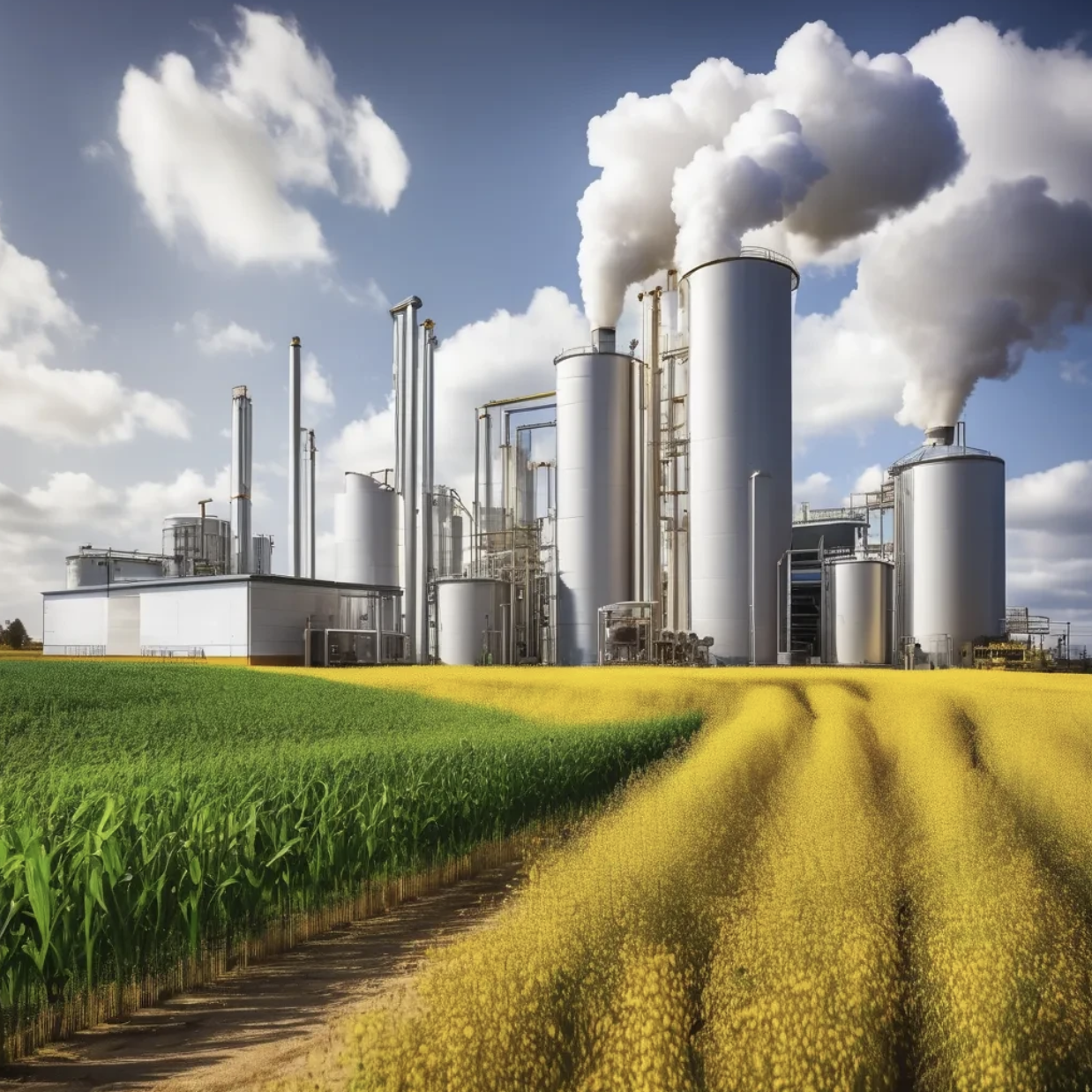
Green Biotechnology: Driving Sustainability
Sustainability is a pressing global concern, and biotechnology is rising to the challenge. In 2025, green biotech innovations might be:
- Biomanufacturing: Using microbes to produce sustainable alternatives to traditional plastics and materials.
- Advanced Biofuels: Making renewable energy sources more efficient and accessible.
- Waste Reduction: Harnessing enzymes and microbes to break down plastics and recycle materials.
By incorporating green biotechnology experiments, such as microbial fermentation or creating biodegradable materials, educators can inspire students to think critically about solutions to environmental challenges.
Synthetic Biology: Engineering the Future
Synthetic biology, the intersection of biology and engineering, continues to gain momentum. In 2025, we might see this field will push boundaries with:
- Innovative Startups: Companies designing sustainable products and novel materials.
- Food Production: Advances in lab-grown meat and enhanced crop traits.
- Educational Tools: More accessible synthetic biology kits for students and researchers.
Hands-on activities with synthetic biology kits can encourage creativity and innovation, inspiring students to explore the possibilities of engineered biology.
 The Official Blog of Edvotek®