

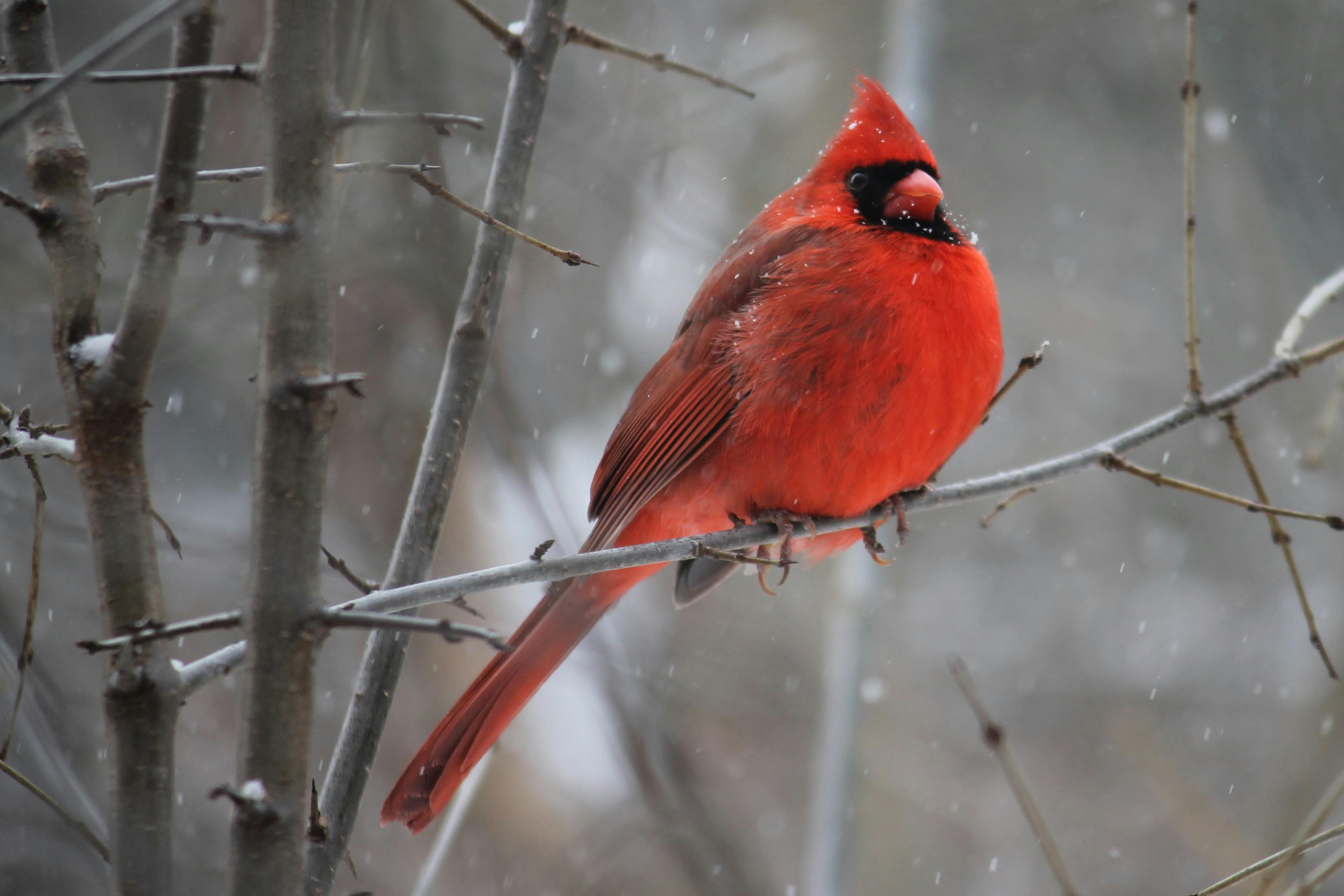
This February, people worldwide will turn their eyes to the skies, their backyards, and local parks to count birds as part of the Great Backyard Bird Count (GBBC). Launched in 1998 by the Cornell Lab of Ornithology and the National Audubon Society, the GBBC was one of the first online community science events. Today it’s one of the biggest. Last year more than a half-million people participated! They represented 210 countries and identified close to eight thousand bird species!
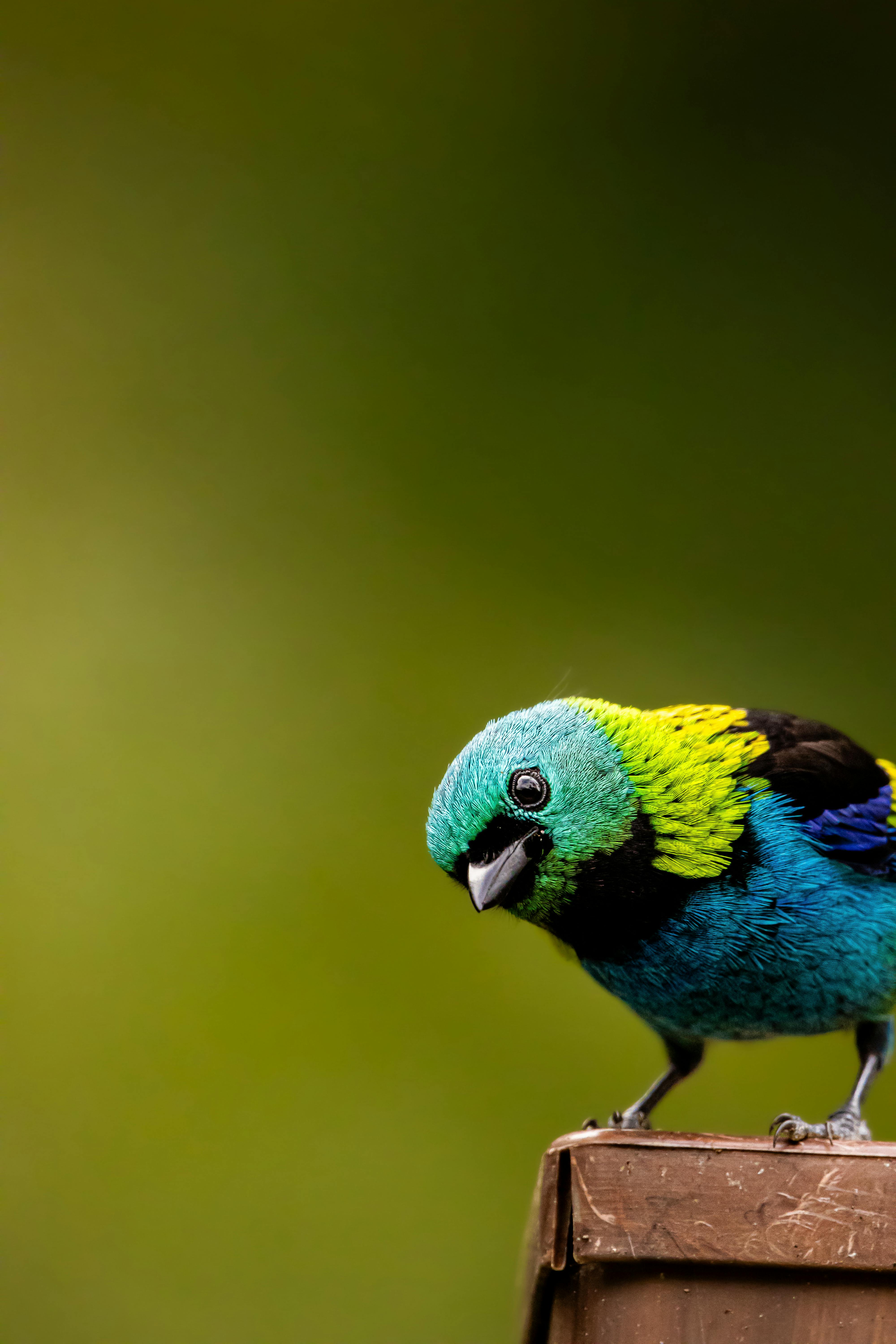
Much of GBBC’s success comes from its accessibility and its openness to all experience levels. Valuable data comes from seasoned researchers, dedicated bird enthusiasts, and newcomers. Anyone who can contribute at least 15 minutes of birdwatching over the 4-day watch period (February 14-17) can help! The data collected generates a vast and unique dataset, that is enabling science to explore a wide range of questions—about birds and beyond.
How Birds Advance Research and Innovation
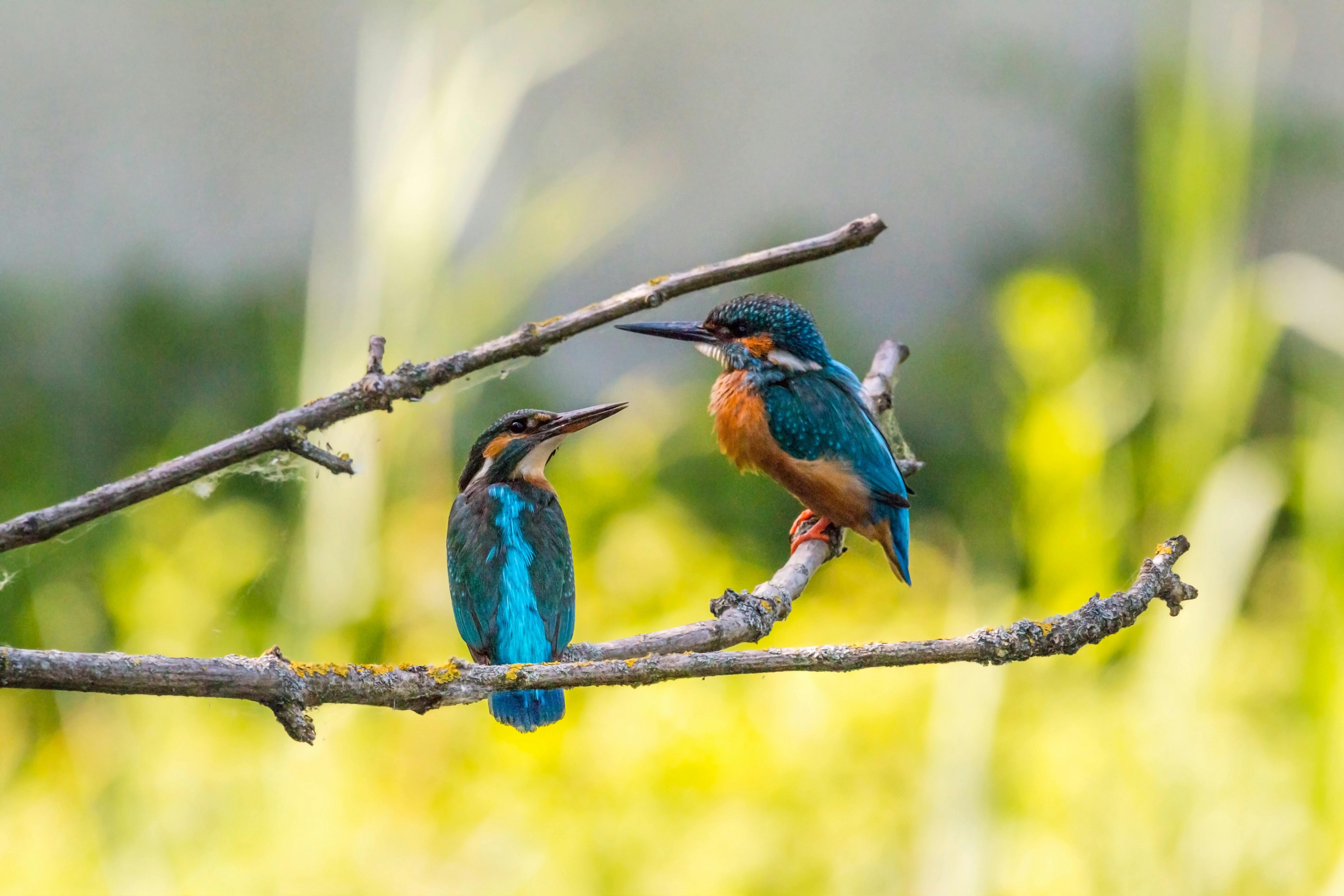
The Great Backyard Bird Count (GBBC) generates a massive, near-instant dataset on bird populations and migration patterns—something no single scientist or research team could compile alone. This crowdsourced data helps researchers gain deeper insights into bird behavior as well as the diverse habitats that birds rely on. Birds are more than just charming backyard visitors; they are also vital indicators of environmental health. Because they respond quickly to environmental changes, tracking bird populations allows scientists to detect shifts in ecosystems long before other warning signs appear. By analyzing changes in bird population sizes and migration patterns, researchers can predict broader ecological trends—whether it’s habitat degradation, climate change, or successful conservation efforts. To see how this data is put to use, explore eBird’s collection of over 1,000 peer-reviewed publications based on community-collected observations: eBird research publications.

Beyond their role as ecological indicators, birds have contributed—and continue to contribute to scientific advancements in surprising ways. Take, for instance, studies of the common barn owl (Tyto alba). This species is considered a keystone predator, playing a crucial role in maintaining ecosystem balance by controlling rodent populations. Researchers study this ecological dynamic and related conservation efforts. But another group of scientists—aerodynamicists—have also taken an interest in barn owls. Their findings have led to advancements in aerodynamic design and noise reduction for aircrafts! Want to see another example of bird-inspired biomimicry (the practice of studying nature’s designs to develop innovative technologies)? Check out this article on penguins and the next generation of water-resistant fabrics. Bird physiology is also informing human medical research, with studies exploring everything from brain repair and glucose regulation to advancements in vision science. And, of course, we can’t overlook bird’s pivotal role in shaping our understanding of evolution itself. Just ask Darwin—his famous finches practically wrote the book on natural selection! Even today, birds like the house sparrow are important model organisms for studying evolutionary processes.
Ready to keep bird science soaring? You don’t need a grant or a high-tech ornithology lab—just curiosity, patience, sharp observation skills, and 15 minutes this February. (But if your long term goal is to become an ornithologist, awesome! Check out this resource.)
Citizen Science: The Future is Collaborative
Across the globe, individuals are helping researchers gather invaluable data, showing that science isn’t just for experts—it’s for everyone. Students, retirees, and even that neighbor who still hasn’t taken down their Christmas lights all have a role to play in its progress. The GBBC is just one example of the growing citizen science movement. Like many scientific advancements, this trend is partly driven by new technology. The rise of smartphones, user-friendly apps, and accessible online databases has helped bring science out of institutions and into backyards, schoolyards, libraries, classrooms, and parks. On the data analysis side, recent advancements in high-performance computing and large-scale data mining are making it possible to process and interpret these vast datasets in powerful new ways. Another key shift is social: people are increasingly motivated to directly engage with causes they care about and they recognize that with the right tools—and enough participation—decentralized contributions can have a significant impact.
Join the Flock and Have An Egg-celent Time!
Whether you’re ready to dip your toes into citizen science, a fan of our feathered friends, or just looking for a reason to step outside this February, consider joining the Great Backyard Bird Count. If you’re a seasoned birder—great! If you can tell a cardinal from a robin and a hairy woodpecker from a flicker—great! And if you think all small birds are just ‘sparrows’—there’s an app for that – and great! Bottom line: Regardless of your birding ability, don’t be chicken – spread your wings and start counting!
For a sneak peek at what it will be like, here’s the three-step process outlined on the GBBC website: For more flutter on over to the GBBC’s How-To page. Step 1: Choose a spot to watch birds. Step 2: Observe for at least 15 minutes on one or more days between February 14–17, 2025. Step 3: Identify the birds you see or hear and log your sightings using the best available tool (directly on the merlin app or later on a computer).
Hope to see you out there!

 The Official Blog of Edvotek®