
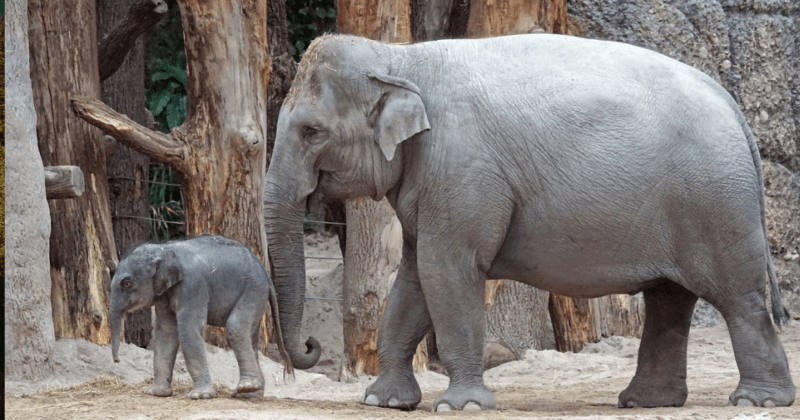

An genetic exciting study was recently published in which it was revealed that the population of the endangered Asian elephants in northern Cambodia is actually more robust and diverse than previously thought. This study was conducted by Fauna and Flora conservation group and published on March 13, 2025. This study showed that there were more Asian elephants in northern Cambodia than researchers had anticipated. This provided hope to experts that the endangered species could slowly start to recover.
Researchers from the Flora and Fauna conservation group conducted this genetic study by extracting DNA from elephant dung across Cambodia’s norther plains. They were then able to analyze this fecal DNA to determine critical information such as the individual elephant, sex of the animal, genetic diversity of the population, and overall population size. From this data they were able to estimate that there are fifty one elephants in the Prey Lang, Preah Roka, and Chhaeb Wildlife Sanctuaries. These elephants are also thought to have a greater genetic diversity than expected which is important for the long term viability of the species. Researchers are hopeful that with proper protection for both the Asian elephants and the habitat in which they live, that the species can grow.
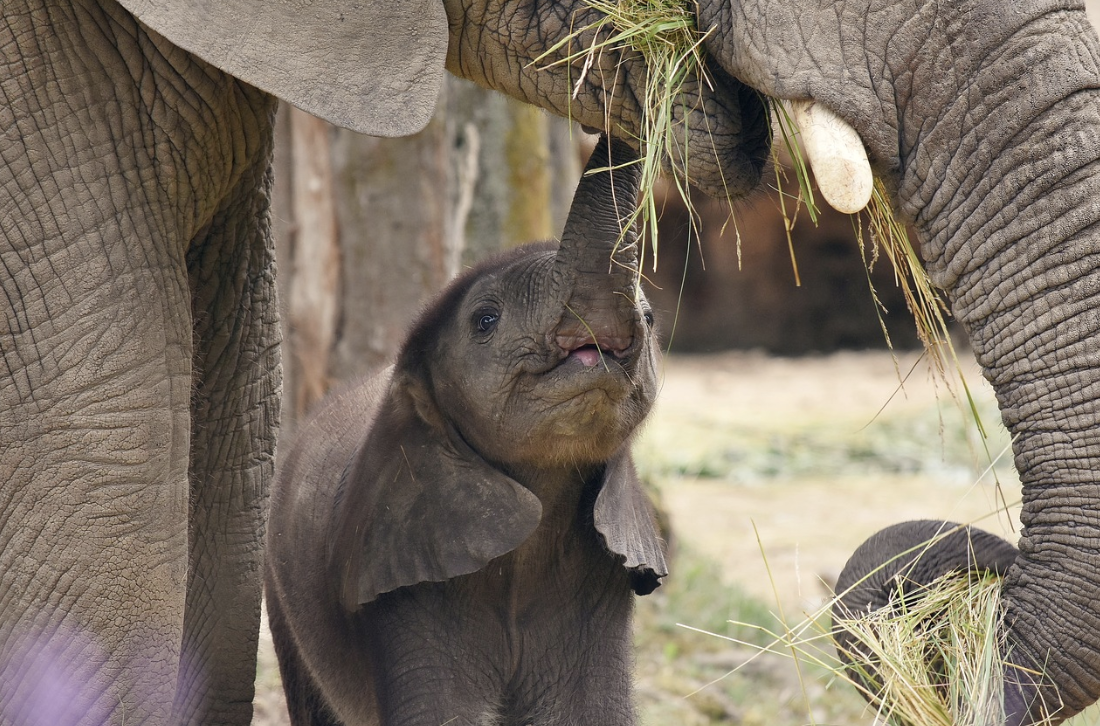
Conservation efforts are important for endangered species, as they play a crucial role in maintaining biodiversity and ensuring that future generations can appreciate the beauty and variety of life on our planet. These studies and the initiatives taken help protect fragile ecosystems, restore habitats that have been degraded by human activity, and implement breeding programs to increase population numbers of species on the brink of extinction. By raising awareness and fostering collaboration among governments, organizations, and local communities, conservation efforts can significantly impact the survival of these species, allowing them to thrive once again in their natural environments.
Habitat degradation is one of the most serious concerns when it comes to conservation efforts, as it directly impacts biodiversity and the health of ecosystems. This deterioration can result from various human activities, including deforestation, urbanization, and pollution, which alter the natural environments necessary for numerous species to thrive. As habitats are destroyed or fragmented, wildlife faces increasing challenges in finding food, shelter, and mates, leading to population declines and even extinction in some cases. Educating communities about the importance of preserving natural resources can also play a pivotal role in fostering a collective commitment to environmental stewardship.
To learn more about conservation biology and how DNA can help conservation efforts check out Lion Family Reunion: Conservation Biology Genetics! In this scenario wildlife conservators often return captive-bred animals to their native habitats to rebuild the area. In this interactive workshop, we’ll explore the use of RFLP analysis and phylogenetics in conservation biology to analyze the DNA samples of two lions. Can we return them to their ancestral home? Join us at NSTA in Philadelphia where we will be running a hands on version of this workshop. For those of you who can’t make it read all about it here!
 The Official Blog of Edvotek®