


Have you ever wondered how scientists can use biotechnology to introduce new genes into flowers? And how biotech can be used to distinguish between the genetically modified plants and their dyed components? In this kit, The Great Mum Mix Up, your students will explore the mystery using genetic engineering and agarose gel electrophoresis. The experiment demonstrates how techniques like the polymerase chain reaction can reveal underlying genetic differences that we cannot see with our eyes. Through performing the experiment and analyzing the results, student strengthen their scientific thinking skills. They will form hypothesis, interpret gel results, consider the causes of the banding patterns, and present their results. Additionally, this lesson opens a door to the discussion of bioethics in the teaching classroom. It is especially important for students today to understand the ethical and societal implications of genetic engineering.
Buy the kit here today: https://www.edvotek.com/125_3
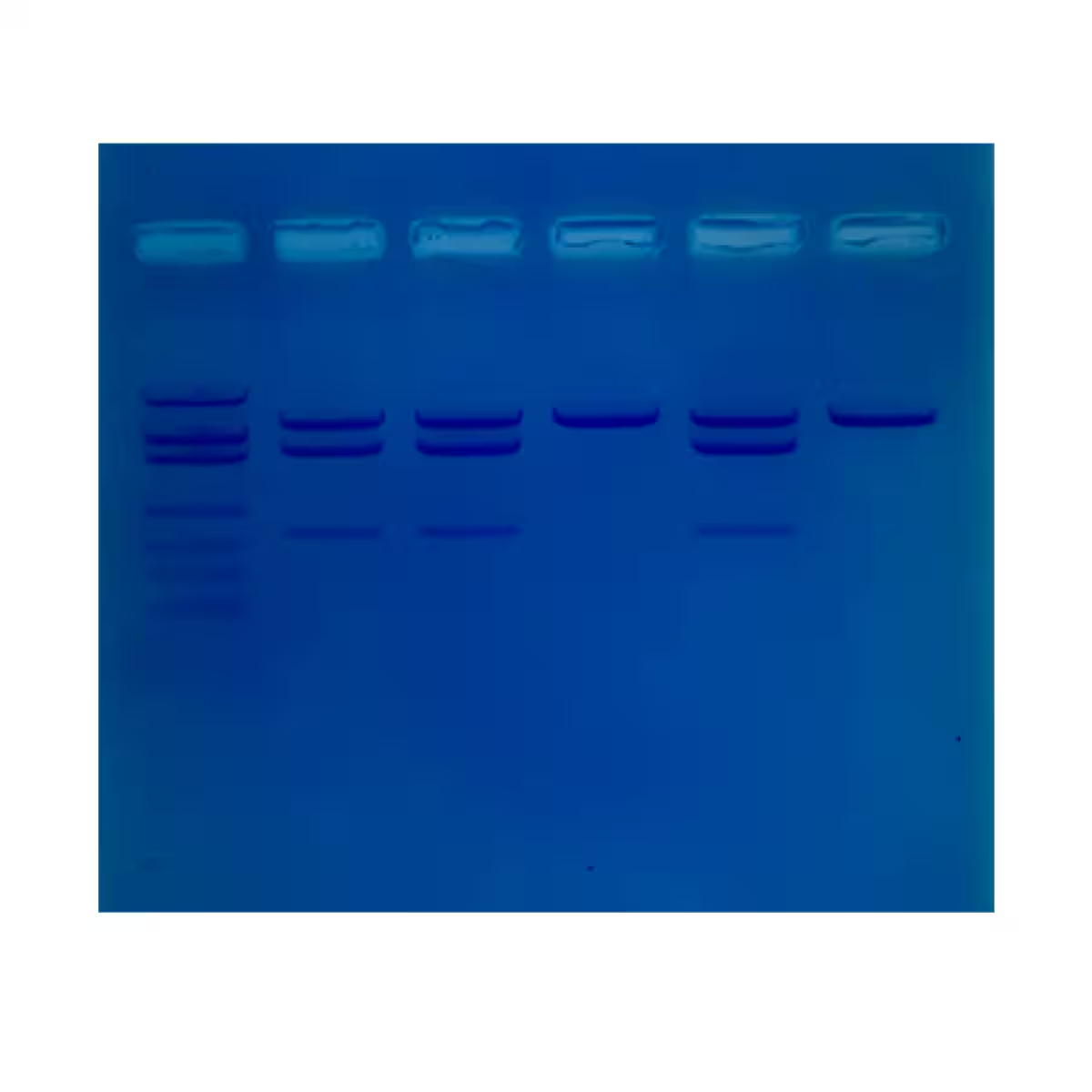
Kit Description: Genetic engineering can be used to modify food and flower crops to introduce favorable traits. In this experiment, students will use agarose gel electrophoresis to differentiate between genetically engineered “true blue” chrysanthemums vs. artificially-dyed flowers. By comparing the DNA patterns, students will discover how molecular biology can be used to distinguish between the genetically modified mums and the dyed ones.
• Hands-on use of core biotech tools to detect and identify genetically modified plants in simulated samples.
• Understand how electrophoresis separates differently-sized molecules.
• Perform agarose gel electrophoresis.
• Meets NGSS HS DCI LS1.A, LS3.A, LS3.B, and ETS1.B through the discussion of the structure and function of DNA, heredity and variance of traits, and use of biotechnology to make genetic modifications.

 The Official Blog of Edvotek®