


One of the first things that should be hammered into every budding scientist is to always consider the safety of themselves and others while in the laboratory. This includes appropriate clothing and shoes, refraining from eating or drinking, and personal protective equipment, or PPE. PPe is worn to protect users from hazards, including spills, heat, and biohazards, and can include garments, gloves, and hearing and eye protection. Safety goggles are essential in minimizing and preventing eye injuries. However, many types of goggles are available, and not all offer adequate protection from different laboratory hazards. Today we will talk about the most common goggles found in science labs and the proper use of each.
Safety glasses
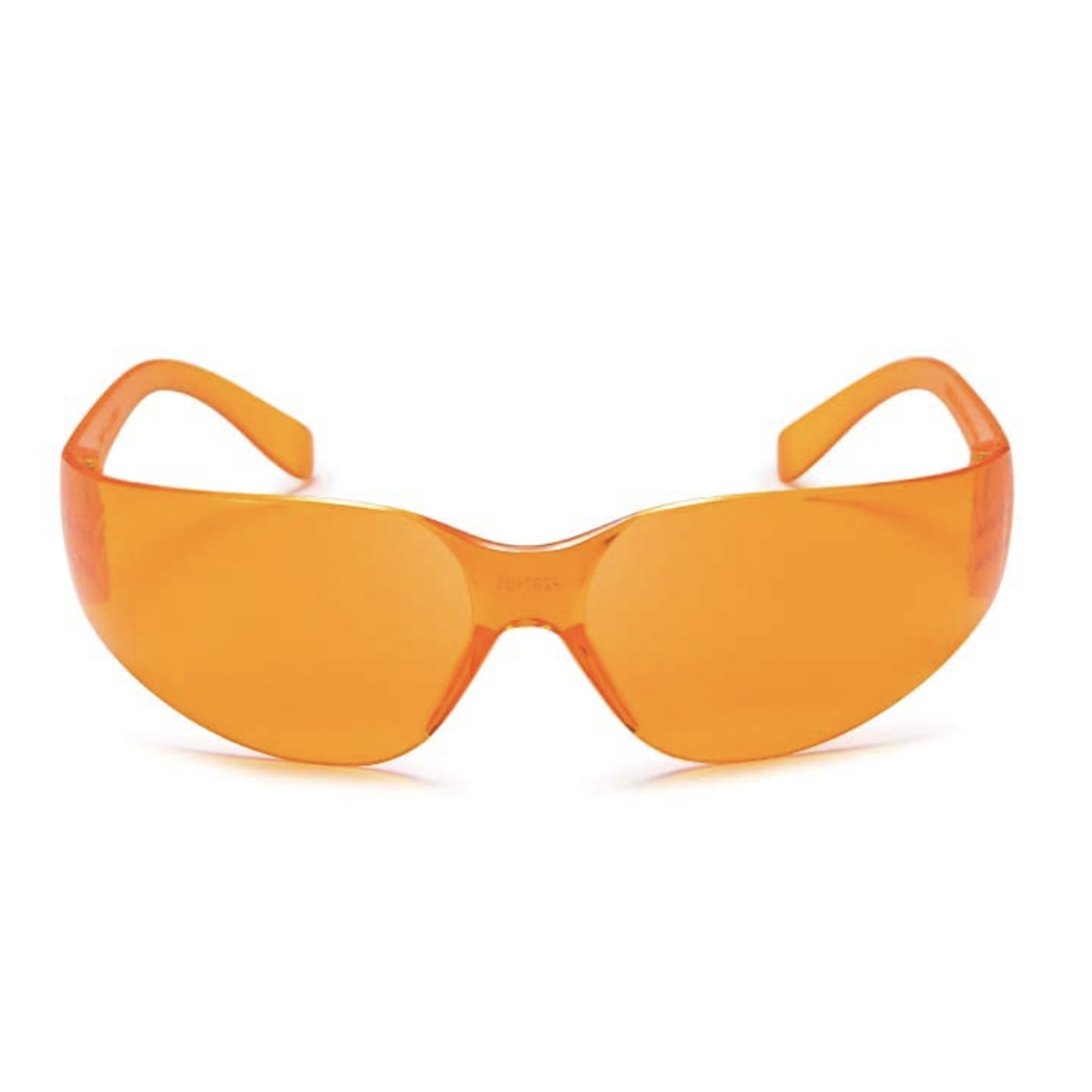
These are the most basic form of eye protection. Safety glasses are made of sturdy plastic that protects the wearer from flying particles and impacts. Most safety glasses will be made of clear material, however they can also be found in tinted plastic for specific uses. For example, amber-tinted glasses can be used to observe fluorescence with a bluelight transilluminator. However, since safety glasses do not seal against the wearer’s face they are ineffective in preventing burns and chemical exposure.
Chemical safety goggles
Chemical goggles are designed to protect the wearer from chemical spills. They should fit snugly against the skin and will prevent spilled chemicals from dripping into your eyes. These goggles can also protect users from chemical explosions or bursts of flame. It should be noted that there are both vented and unvented chemical safety goggles – vented goggles help to prevent fogging on the lenses but can also limit their protection against splashes.

Face shields
Face shields can be worn with or without goggles to provide a larger area of protection, including the entire face and neck. Most face shields are impact and chemical resistant, meaning they can protect a user from splashes and spills, explosions, impacts, and even from hazardous UV light. When worn over the top of chemical safety goggles this PPE combination provides the ultimate protection from hazards in the lab.
Note that it’s often necessary for students to share PPE, including safety glasses and goggles, between class periods. We strongly recommend UV or alcohol sterilization between users to prevent the spread of harmful microorganisms and viruses.
Cover Image: An airman using a welding mask. Failing to use proper eye protection when welding may lead to blindness. https://en.wikipedia.org/wiki/Eye_protection#/media/File:GMAW.welding.af.ncs.jpg
 The Official Blog of Edvotek®


3 comments
Comments are closed.