
Last week was a big week for the environment from pollution awareness to plastic eating bacteria. In case you missed it, September 18-22 was Pollution Prevention (P2) Week. P2 Week is an annual campaign sponsored by the Environmental Protection Agency with the main goal of trying to raise awareness and reduce pollution in communities through everyday actions. The EPA provides lists and examples of ideas on how you can take part in pollution prevention right from your home or business. Pollution Prevention can be easily accomplished at home and can be as simple as using green products or limiting the amount of trash produced.
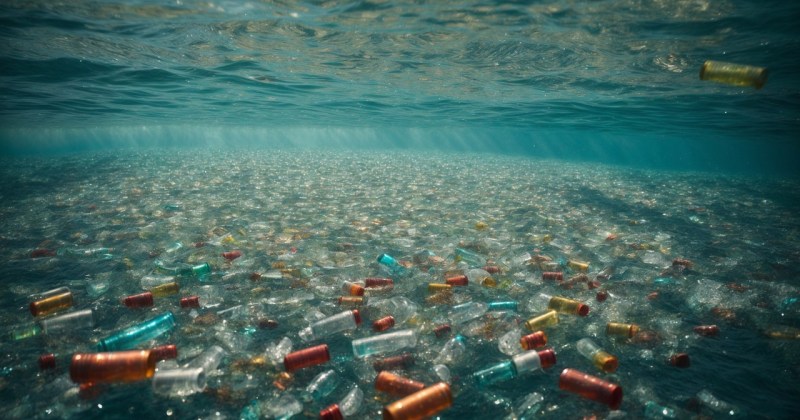
In related news, on September 14 researchers in North Carolina published a paper detailing their work in which they successfully genetically modified marine bacteria to break down plastics found in salt water. This genetically modified organism has been created to thrive in saltwater and break down ocean plastics, specifically polyethylene terephthalate (PET), a major contributor to ocean microplastic pollution. Currently, there is a lack of an economically feasible and efficient way to reduce the increasing amount of plastic impacting marine environments. The scientists behind this discovery aimed to fill this existing void and create a more sustainable solution.
The researchers behind these genetically modified microorganisms worked with two different bacteria in order to achieve the desired results. In particular, they utilized Vibrio natriegens for their ability to survive in saltwater and reproduce quickly and Ideonella sakainesis which produces the enzyme needed to break down and eat the PET. Scientists were able to isolate the enzyme producing DNA from I. sakainesis and incorporate it into a plasmid that was then introduced into V. natriegens. By doing this, researchers were able to manipulate the V. natriegens into producing the enzyme allowing the V. natriegens to breakdown PET both in saltwater and at room temperature. This is both the first time that an organism has been genetically modified to breakdown PET in saltwater and also the first time that anyone has been able to get V. natriegens to express foreign enzymes on the cell surface successfully.
Big strides were made this week in the fight to reduce and prevent pollution. For more information on how you can reduce pollution at home check out the EPA’s page on pollution prevention week!
 The Official Blog of Edvotek®
1 comment
Comments are closed.