

Introduction:
Pumpkins are an iconic symbol of fall, adorning our doorsteps, filling our pies, and carving the most creative jack-o’-lanterns. But have you ever wondered about the fascinating genetics that lie beneath the surface of these vibrant gourds? In this blog post, we’ll explore the genetics of pumpkins in a way that’s easy to understand for high school students. Get ready to delve into the intriguing world of pumpkin genetics!
The Pumpkin Genome:
Before we dive into the genetics, let’s clarify some basic terms. Pumpkins belong to the Cucurbitaceae family, which also includes cucumbers, zucchinis, and melons. Like most living organisms, pumpkins have their genetic code stored in DNA, which determines their characteristics. Every pumpkin’s unique traits, like size, shape, color, and taste, are influenced by its genes. These genes are located on the pumpkin’s chromosomes. Humans have 23 pairs chromosomes, but pumpkins typically have 20 to 30 pairs of chromosomes, depending on their species! The pumpkin genome is quite complex, but scientists are working hard to unravel its secrets.

Variety in Pumpkin Genes:
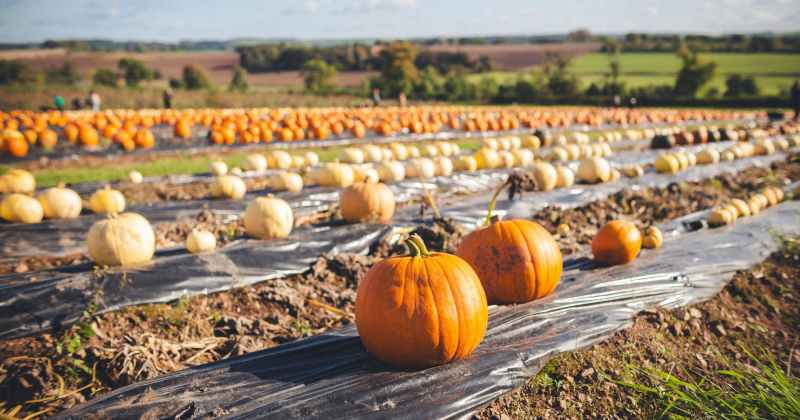
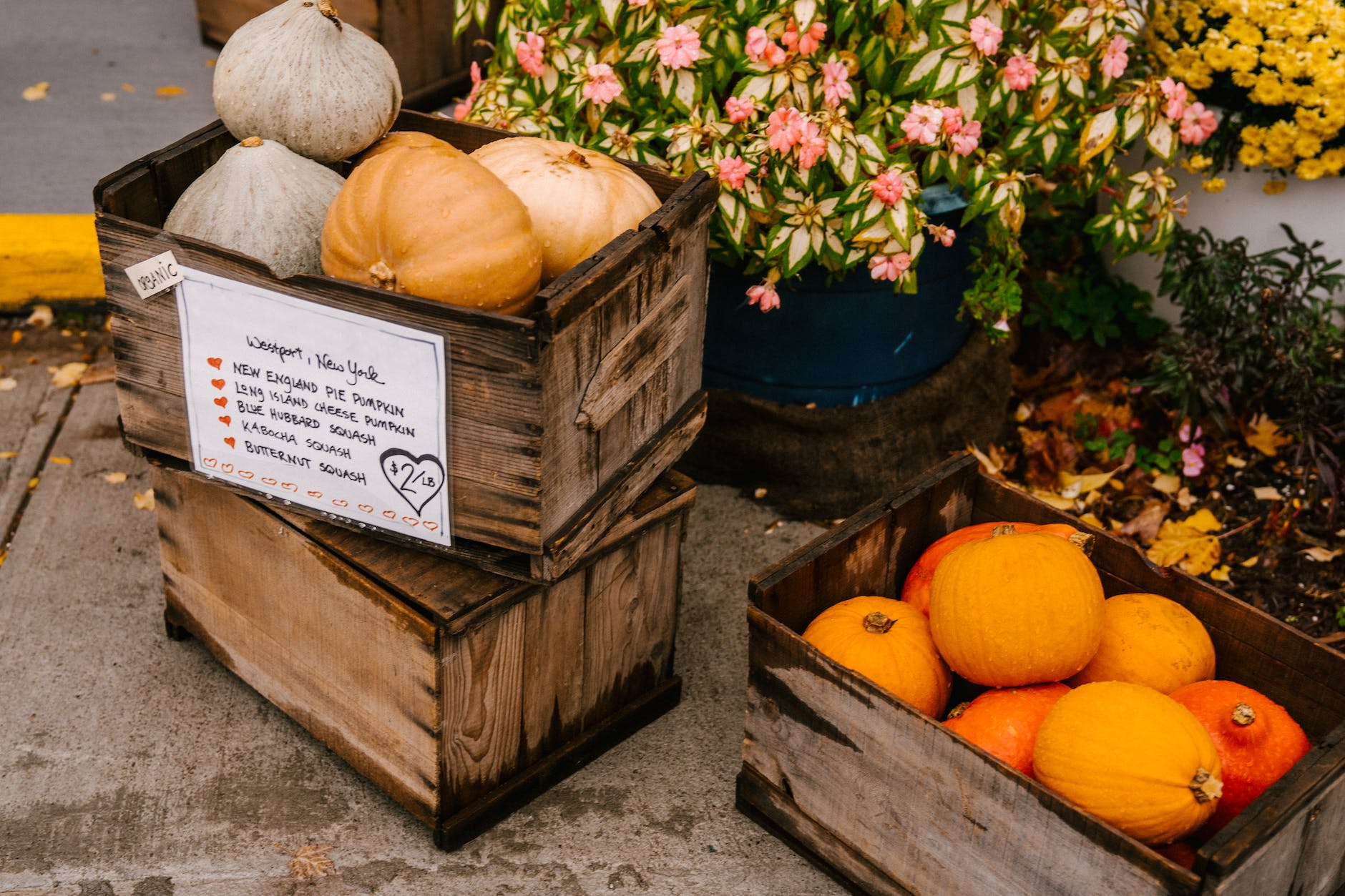
Just like there are different types of pumpkins, there are various genes that determine their features. Some genes control the color of the pumpkin’s skin, while others regulate the thickness of the pumpkin’s flesh. It’s the combination of these genes that gives us the diverse array of pumpkins we see in the fall, from tiny decorative varieties to giant pumpkin contest winners.
Pumpkin Pollination:
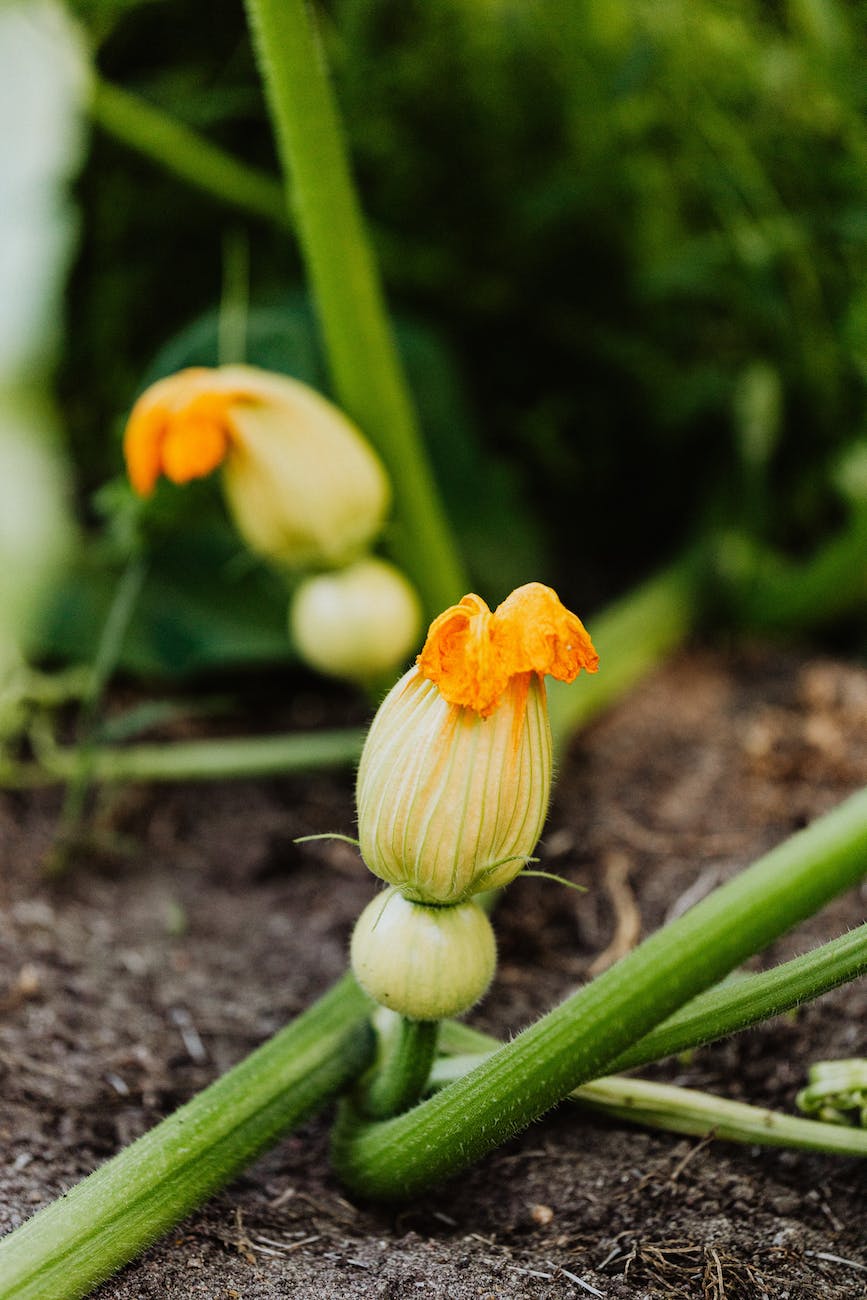
Pumpkin genetics also play a role in pollination. Pumpkins have both male and female flowers. Pollinators like bees transfer pollen from the male to the female flowers, allowing fertilization to occur. This process is essential for pumpkin reproduction and the continuation of their genetic diversity.
Selective Breeding:
Humans have been practicing selective breeding of pumpkins for centuries. By choosing which pumpkins to cross-pollinate, we can encourage the expression of certain desirable traits, like size or color. This is how we’ve created unique pumpkin varieties like the classic orange Jack-o’-lantern pumpkins and the miniature decorative ones.
Genetic Modification:
While selective breeding is a natural way to influence pumpkin genetics, scientists can also use genetic modification techniques to create pumpkins with specific traits. These modified pumpkins are known as genetically modified organisms (GMOs). However, GMO pumpkins are not commonly found in our grocery stores.
Pumpkin genetics may seem complex, but they’re at the heart of what makes these iconic fall vegetables so diverse and interesting. From the pumpkin genome to selective breeding, the genetics of pumpkins play a pivotal role in shaping their various characteristics. So, the next time you enjoy a slice of pumpkin pie or carve a spooky jack-o’-lantern, you’ll have a better understanding of the genetic wonders that make it all possible. Embrace the magic of pumpkins, and who knows, you might even discover new and exciting aspects of pumpkin genetics yourself one day!
 The Official Blog of Edvotek®