
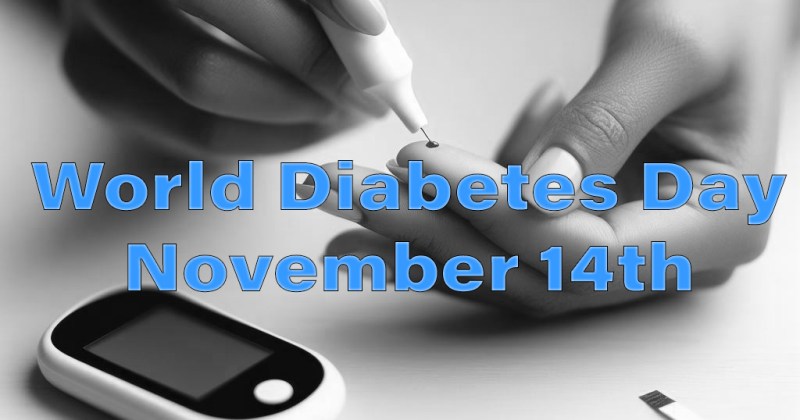

Established in 1991 by the International Diabetes Federation, November 14th is officially recognized as World Diabetes Day. The World Health Organization estimates that over 9% of adults globally suffer from diabetes, around 422 million people, and just under 4 million deaths are attributed to diabetes each year. In the United States, the incidence of diabetes has increased steadily over the past decades and now impacts more than 37 million adults. Diabetes is the 8th leading cause of death in the US, and unfortunately, millions of people are unaware that they are diabetic, leading to further complications. For 2023, the World Health Organization is focusing on raising awareness of diabetes and highlighting access to diabetes care and treatments.
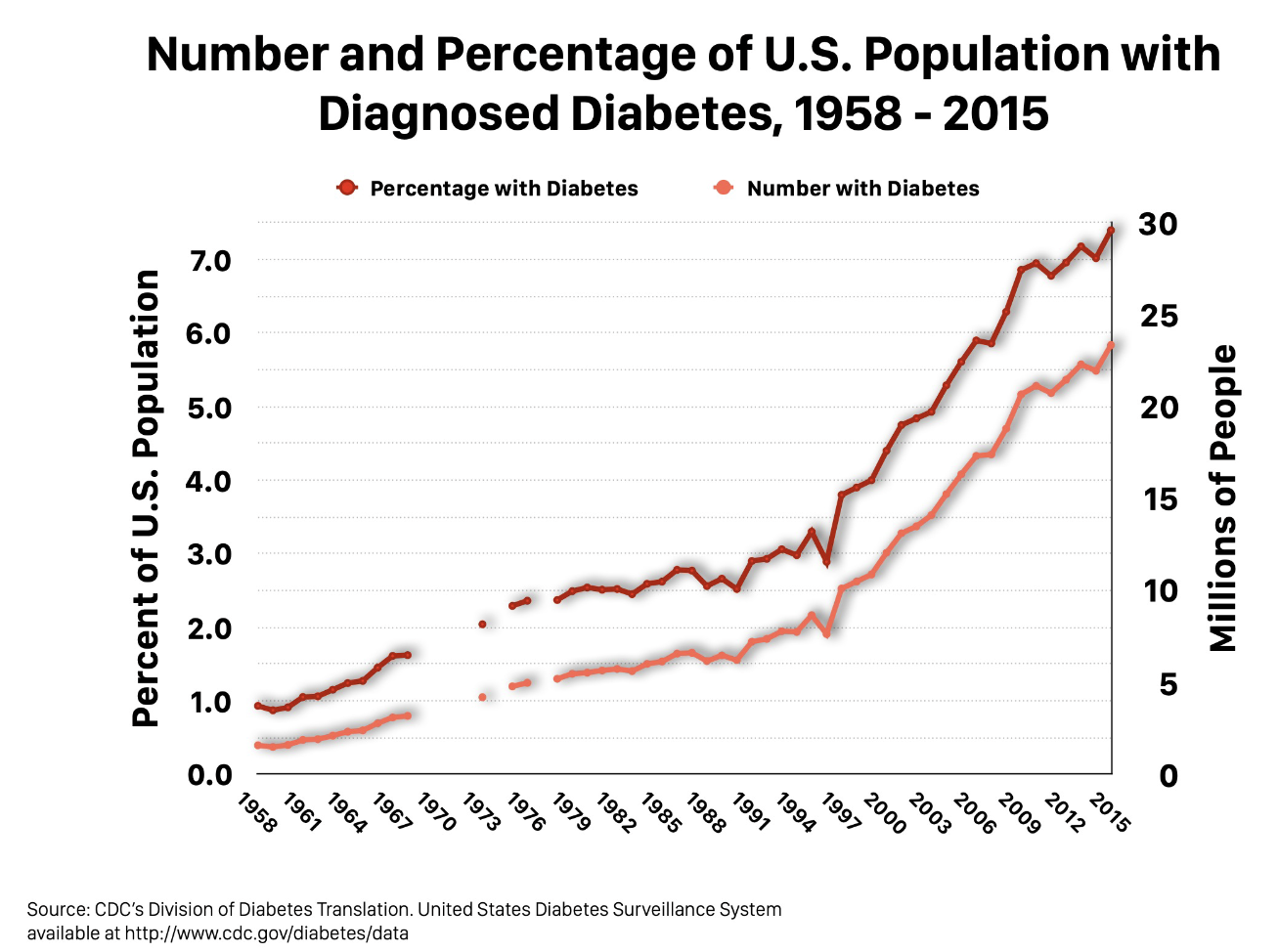
As we detailed in a previous blog post, diabetes refers to a group of chronic diseases related to an inability to produce or use insulin properly. Individuals with diabetes cannot utilize glucose, leading to too much sugar staying in the bloodstream. Over time, the increased sugars can lead to serious health problems, including heart disease, organ failure, blindness, and poor circulation that requires amputation. Unfortunately, diabetes is associated with a significantly shorter life expectancy.
Diabetes Therapeutics
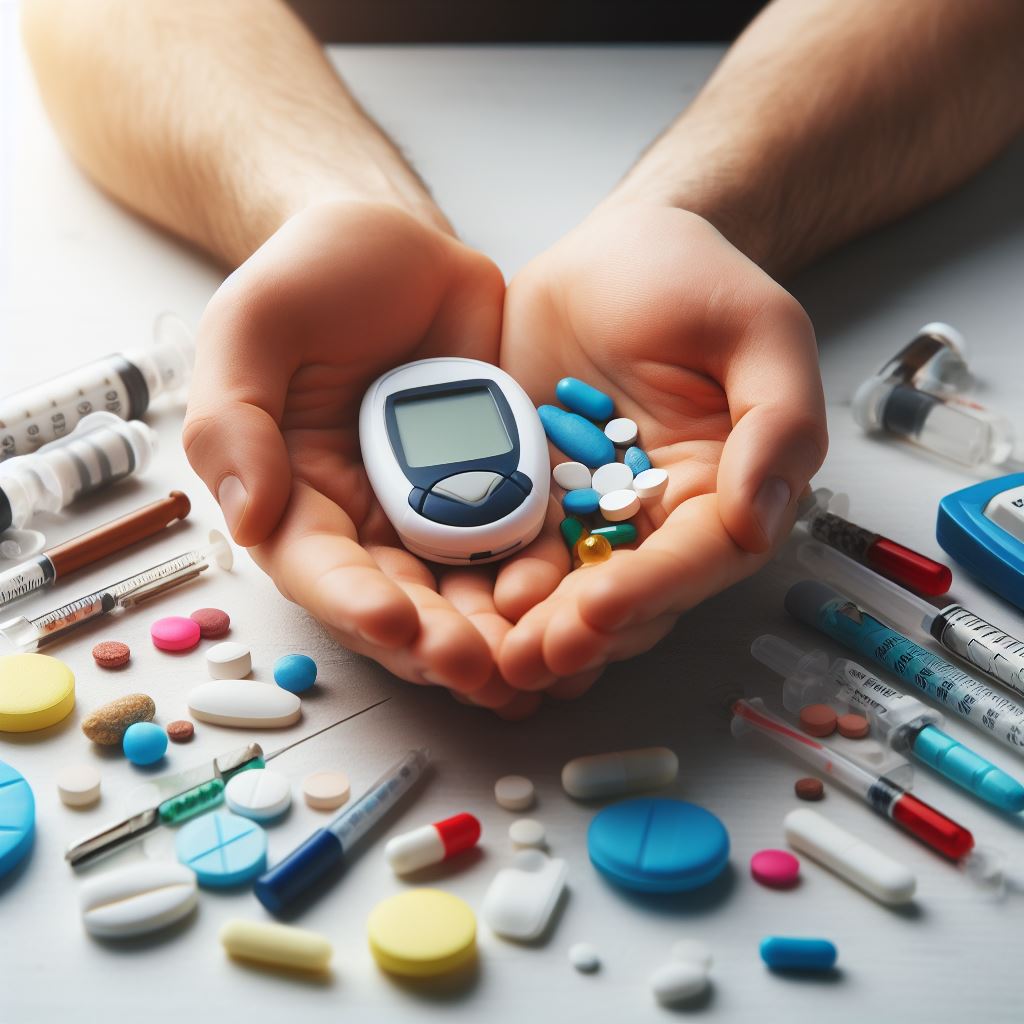
There are a number of modern treatments for diabetes that can help individuals regulate their blood sugar. For type 2 diabetes, oral medications have been developed that can significantly improve blood sugar levels, especially when combined with proper diet and exercise. While these treatments are not recommended for patients with type 1 diabetes, they can serve as excellent therapeutics for many patients and are commonly prescribed.
Insulin and insulin-derivatives are other common medications for both type 1 and type 2 diabetes patients. Modern insulins are designed to help patients regulate blood sugar through inhalable or injectable compounds. These medications can be designed for either rapid or long-lasting effects, giving patients options for regulating their specific conditions. Additionally, a number of injectable medications have been developed that can help to regulate type 2 diabetes patients. These include synthetic peptides that mimic glucagon, a hormone that triggers insulin release of glucose from the liver.
Future Treatments
While many of the current therapeutics are effective in helping diabetic patients regulate blood sugar levels and minimize diabetes health effects, there can also be unintended side effects. In addition, patients often find that one medication might not be effective for them, requiring trial-and-error testing of multiple drugs or dosages. Fortunately, researchers at universities and pharmaceutical companies are working on the next generation of diabetes therapeutics. These include next-generation medications with fewer side effects and more individualized options.
In addition, researchers are actively exploring the use of gene editing technologies to treat diabetes. For example, there are ongoing clinical trials that aim to use CRISPR/Cas9 to treat type 1 diabetic patients. One of these, termed VCTX210, utilizes CRISPR to modify donor-derived stem cells to produce insulin and replace the beta cells that are lost in diabetes. This treatment has undergone phase I clinical trials and looks to be moving into additional clinical trials shortly. Many other companies have expressed interest in similar treatments using gene-editing technologies in the coming years.
For more information on diabetes, or to explore the disease in your classroom check out Edvotek experiment #280 – Detecting the Silent Killer: Clinical Diagnosis of Diabetes
 The Official Blog of Edvotek®
1 comment
Comments are closed.