


Nature’s extremes, including freezing temperatures, have long fascinated scientists across disciplines. From preserving delicate biological samples to unraveling the secrets of extreme environments, the use of freezing temperatures in scientific research encompasses a vast array of fascinating studies. As the temperatures outside continue to plummet we decided to take a look at some of the science behind life at cold temperatures.
Unveiling the Cold Adaptations of Organisms
The study of organisms thriving in freezing conditions provides invaluable insights into the adaptability of life. Researchers delve into extremophiles, such as psychrophiles that can grow and reproduce at temperatures between -20˚C and 20˚C. The knowledge gained from these experiments allows scientists to decipher the genetic, physiological, and biochemical mechanisms that allow these organisms to thrive in environments that would be inhospitable to most life forms. Importantly, this knowledge has implications for human health, environmental sustainability, and even potentially space travel.
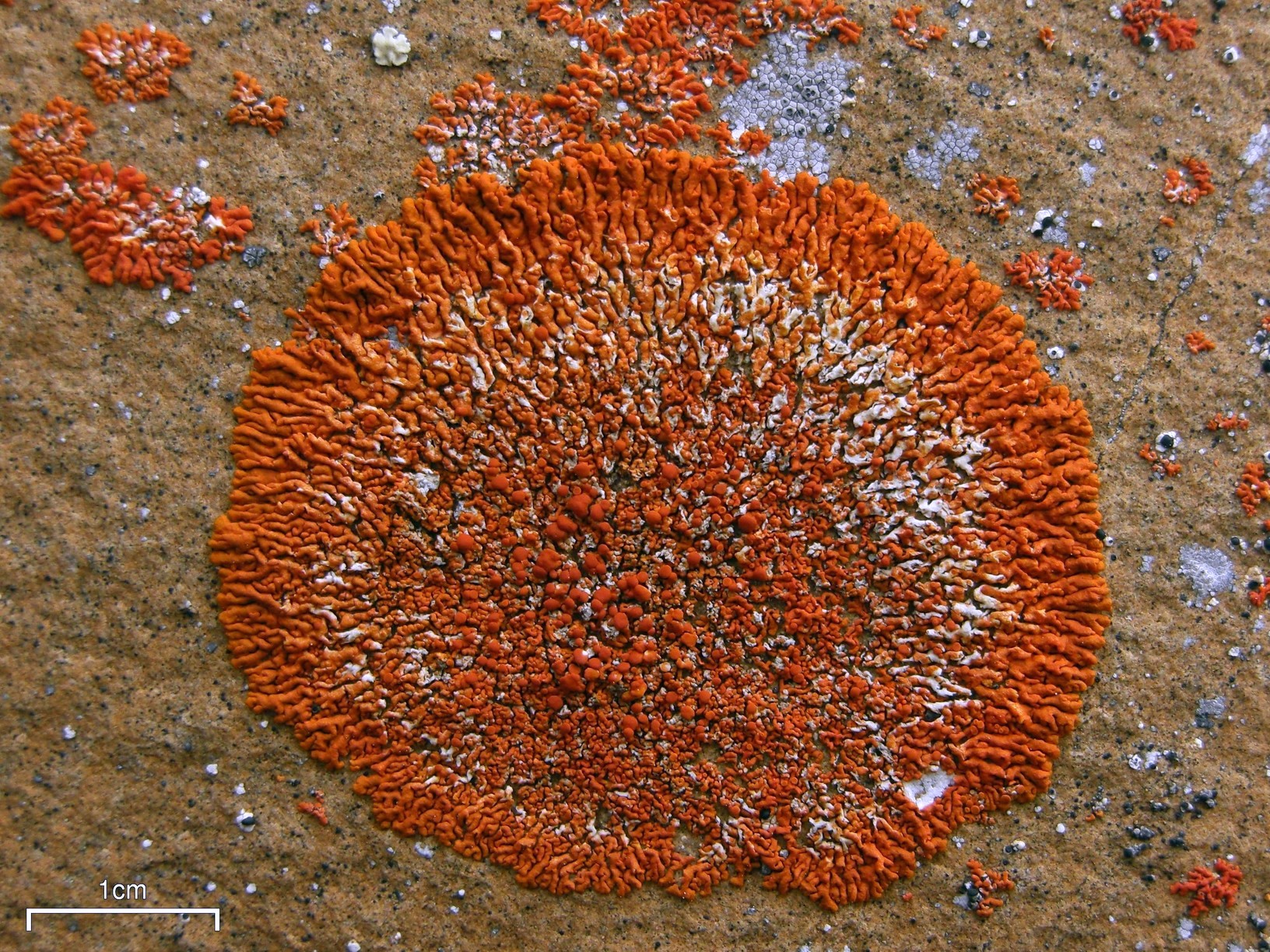
Unraveling Freeze Tolerance and Survival Strategies
Some species have evolved remarkable strategies to survive freezing temperatures. By subjecting organisms to controlled freezing and thawing processes, scientists uncover the intricacies of biological systems’ responses to extreme cold. These studies shed light on the mechanisms behind freeze tolerance, which can have implications for agriculture, medicine, and conservation biology.
Many of these studies begin with observations of cold-adapted organisms in their natural environment. Biologists venture into polar or alpine ecosystems to document how organisms live, reproduce, and interact with their surroundings in the extreme cold. Following observation, samples from organisms can be examined in the laboratory. This allows for genomic studies that aim to identify genes or genetic pathways that are involved in cold adaptation. The scientists look for unique genetic markers or DNA sequences that might confer cold resistance. Next, controlled studies can be performed to examine proteins, cells, or even whole organisms in simulated cold conditions. These experiments might involve subjecting organisms to varying temperatures, freeze-thawing cycles, or other environmental conditions. Introducing mutations in suspected “cold tolerance” genes can help to understand the mechanisms that proteins play in survival during these conditions.
Cryopreservation: Preserving Life at Subzero Temperatures
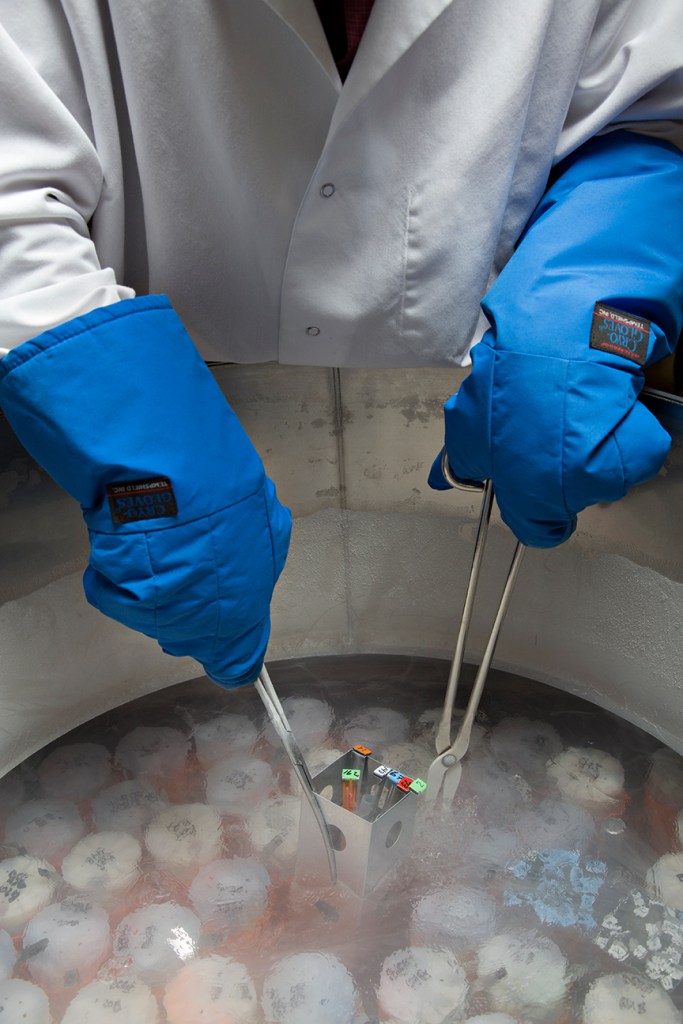
One of the most impactful applications of freezing temperatures in science lies in cryopreservation. Preserving genetic material—be it sperm, eggs, seeds, or DNA samples—at freezing temperatures is pivotal in biodiversity conservation, agriculture, and research. Freezing techniques allow the long-term storage of genetic diversity, ensuring the preservation of valuable genetic resources for future generations. Understanding ice formation is crucial to this process, so researchers investigate the processes of ice nucleation and inhibition, exploring how different substances or biological agents promote or hinder the formation of ice crystals. These studies have applications in fields as diverse as food science, climate research, and material sciences. In addition, fields like regenerative medicine and organ transplantation can benefit from further advances in cryopreservation.
Finally, space exploration can potentially benefit significantly from further understanding cold adaptations in organisms. For example, understanding how organisms survive in extreme cold could inform scientists of better strategies to maintain life in the extremes of space. Similarly, cryopreservation techniques should help to store biological materials over long periods, which is crucial for experiments that will be conducted in space or on other planets. Finally, lessons learned from extremophiles could inspire the development of new materials or technologies that are resistant to harsh conditions in space. This could include mimicking the properties of cold-resistant biological structures to create new materials for spacecraft, habitats, or equipment.
Conclusion: Embracing the Cold for Scientific Breakthroughs
From unlocking the secrets of frost-resistant organisms to preserving life itself, the use of freezing temperatures in scientific research spans a multitude of disciplines, offering a window into the wonders of nature’s cold frontiers. As scientists continue to push the boundaries of exploration, innovation, and preservation, the chilly realms of science remain an essential arena for groundbreaking discoveries that shape our understanding of life on Earth and beyond.
Images – Header: Arctic Ice, Patrick Kelley, from Wikipedia. CC-BY-2.0.
Xanthoria elegans 97571 wb1, Jason Hollinger, from Wikipedia. CC BY-SA 3.0.
Cryopreservation USDA Gene Bank, USDA Gene Bank, from Wikipedia. CC0.
 The Official Blog of Edvotek®
1 comment
Comments are closed.