

Hey there, science education enthusiasts! As we wade into the New Year’s resolution territory, we can’t help but feel a bit torn. I mean, who needs more to-dos in a world already brimming with “shoulds” and must-dos? Especially for folks like you—already rocking it in your classrooms. But, here’s the kicker: studies say those who take the resolution plunge are ten times more likely to see them through (Norcross et al. 2002). So, think of resolutions as a way to supercharge your already outstanding efforts. In that spirit, we’re offering some bite-sized resolutions for your biotech biology classroom, sprinkled with resources to make them easier to conquer.
Get Active
Exercise takes the lead when it comes to resolutions, and for good reason. It not only enhances our physical health but also plays a crucial role in promoting mental well-being by mitigating negative moods such as anxiety, fostering improved self-esteem, and elevating cognitive function. In the classroom, incorporating movement becomes a valuable educational tool, injecting a renewed energy into the learning environment. Kinesthetic learning not only revitalizes a class it also fosters a deeper understanding of concepts and is linked to enhanced memory retention. Explore our post highlighting four exceptional biology-focused active learning activities to seamlessly integrate movement into your class next semester.

Out with the Old in with the New
Consider swapping out one of your semester’s lab report assignments with a visual abstract. Now, you might be wondering, what exactly is a visual abstract? Well, it’s a visually representation that conveys the key concepts and findings of a scientific study. It’s increasingly being ask for by many top publishers and also used to increase exposure via social media. In the classroom it’s a game-changer. Not only does it encourage students to dive deep into their experiments from a fresh perspective, but it’s also a fantastic way to captivate visual learners and strengthen the visual thinking skills of the entire class. Moreover, the ability to craft these visuals is swiftly becoming a sought-after science skill. Curious and ready? Read our post Starter Kit: Incorporating Visual Abstracts into Your Classroom and Jazz up your lab reports with illustrations and videos!
Read More (Primary Articles)
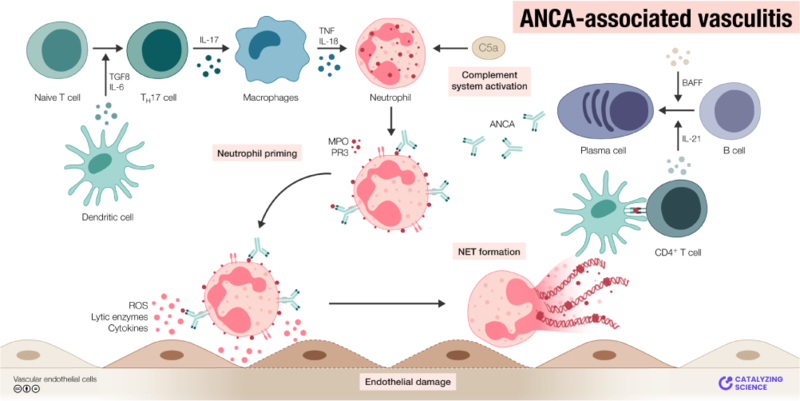
For advanced biology students already navigating classes with a lab component, the time is ripe to start reading primary articles. These are summaries of empirical research conducted by one or more scientists (usually more) and published in a peer review journal. This type of scientific literacy is essential for future researchers and empowers any citizen engaging in scientific debates to access the original sources of information. For the lab class student reading research papers also lets them draw exciting parallels between their experiments (and reports) and the published results of working scientists. To jump start your classes primarily sources journey check out our post Sharpen your Skills: Scientific Reading and our post Ten Classic Biotechnology Papers.

Elevate Your Experimental Expertise
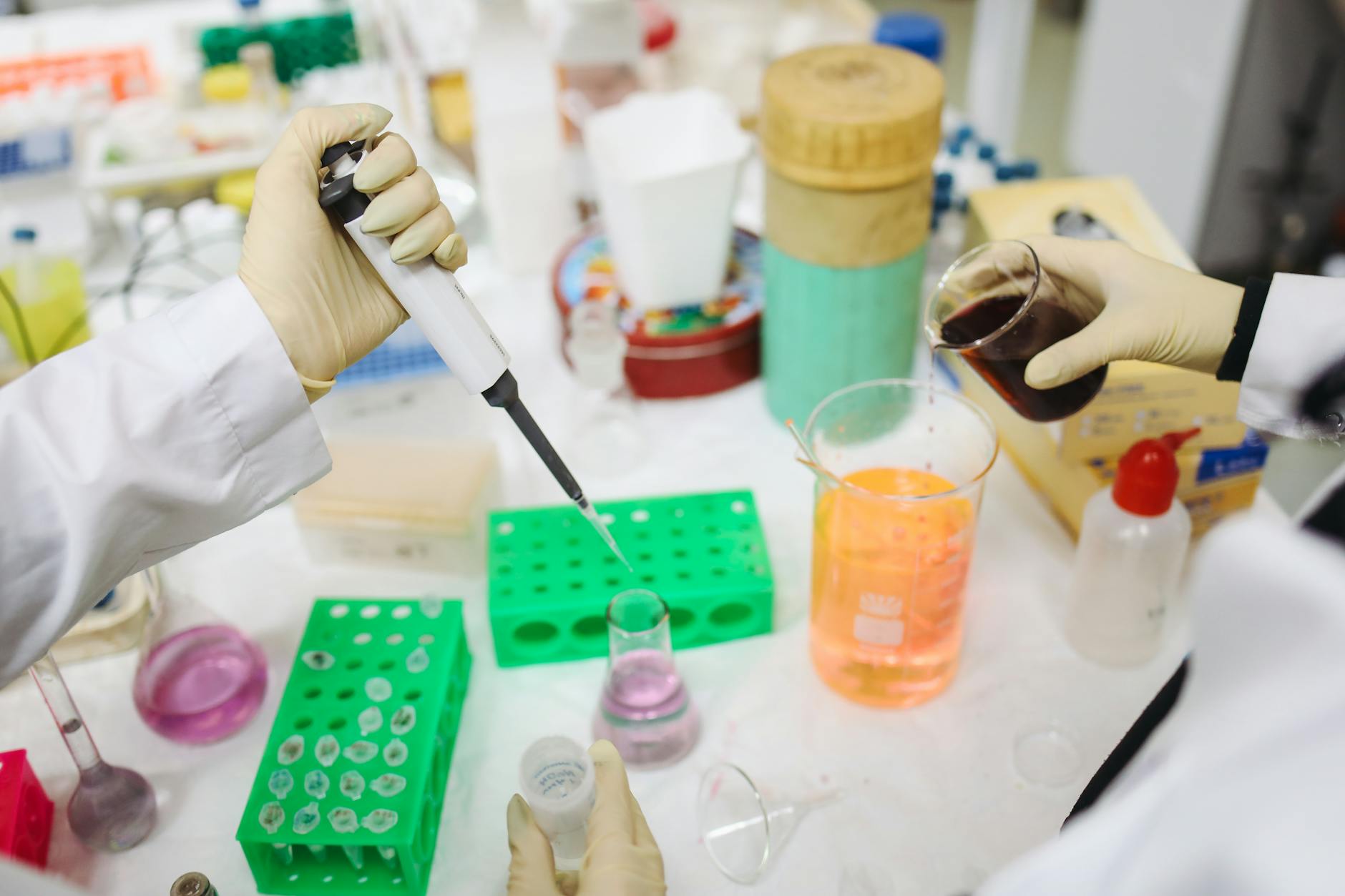
Resolving to amplify your PCR results, transform your transformations, become a C. elegans whisperer, or finally have a year with no agarose microwave explosions? Use us are your go to resource for conquering the intricacies of experimentation. In our blog’s tips and tricks section, we’ve curated a goldmine of bench hacks, comprehensive how-tos, and in-depth analytical dives. Recognizing that the journey to improved experimental results is a lifelong endeavor, start with just one post, then let us know how it goes!
Self Care Check
In the realm of resolutions, self-care often takes the spotlight, and rightly so. However, in this case, you can give yourself an early check mark. Your cells and DNA are the unsung champions of self-care, diligently practicing it every day. Dive into this post for a dose of inspiration, a lively classroom segue, or simply as reassurance that you’ve already conquered a New Year’s resolution—courtesy of your remarkable cellular allies.
What else are you planning/hoping/wishing to do in your lab and classroom next semester and how can we help? Let us know!
REFERENCES
Norcross, J.C., Mrykalo, M.S., & Blagys, M.D. (2002). Auld lang syne: Success predictors, change processes, and self-reported outcomes of New Year’s resolvers and nonresolvers. Journal of Clinical Psychology, 58(4), 397-405.
 The Official Blog of Edvotek®