


Summer is one of the best times to reconnect with nature, but pesky insect bites can quickly turn a relaxing retreat into an itchy nightmare. Whether you’re exploring the woods or setting up camp by the lake, insects are an inevitable part of the outdoor experience. However, with a few precautions and some smart strategies, you can minimize the risk of insect bites and enjoy your time in the great outdoors to the fullest. Today we will discuss the science behind insect bites – why do they itch and swell, what to do when you’re bit, and the best ways to avoid being bit or stung in the first place.

Why do Insect Bites Itch and Swell?
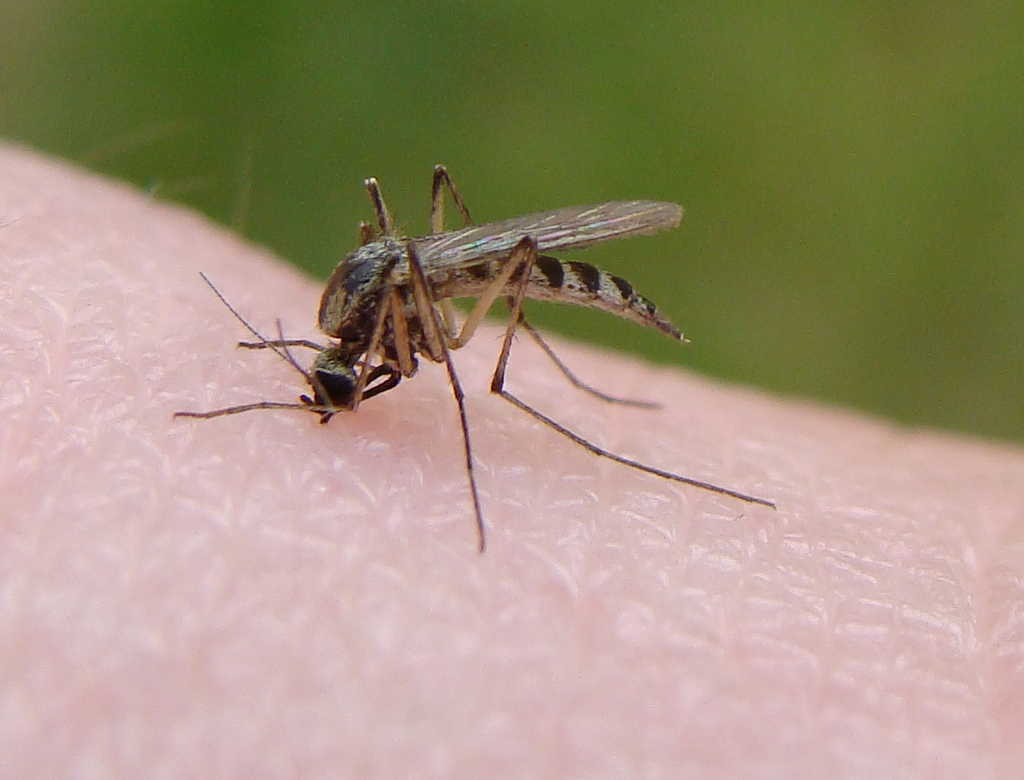
The swelling and itching that occur after an insect bite is part of the body’s inflammatory response to the insect’s saliva. This natural reaction is an attempt by your body to limit the damage caused by the bite. When an insect bites, it typically injects saliva into the skin. This saliva contains proteins and other compounds that can trigger a reaction in the body’s immune system. The immune system reacts to these foreign substances by releasing histamines, which are chemicals that cause blood vessels to dilate and become more permeable. Within minutes of being bitten, the histamines cause blood vessels near the bite site to become leaky, allowing immune cells to access the area more easily. This influx of immune cells helps to combat any potential infection caused by the insect bite.
The itching sensation that accompanies the swelling is also a result of the release of histamines, which can stimulate nerve endings in the skin and cause itching. Additionally, other chemicals released during the inflammatory response can further contribute to the itching sensation.
In summary, insect bites swell and itch due to the body’s immune response to the proteins and other compounds in the insect’s saliva. This inflammatory response, mediated by histamines and other chemicals, helps the body defend against potential infection but can also result in uncomfortable symptoms for the person bitten. Importantly, not everyone reacts the same way to an insect bite; some people may have mild itching while others can develop large welts or even allergic reactions.
Alright, I got bit… now what do I do?
Now that you know WHY insect bites swell and itch, it’s important to understand how to deal with a bite. Fortunately, there are a number of simple steps that can help to alleviate the symptoms and speed up recovery.
- Wash the Area: As soon as you notice the insect bite, gently wash the affected area with soap and water to remove any remaining saliva or venom from the insect. This can help reduce the risk of infection and alleviate itching. Remember, even a minor bite or sting is a wound that could allow other pathogens a pathway into your body. Avoid vigorous scrubbing since that could further irritate the skin around the bite.
- Apply Cold Compress: Use a cold compress or ice pack wrapped in a cloth and apply it to the bite area for 10-15 minutes at a time. Cold helps to numb the area, reduce swelling, and alleviate itching and pain. This can be repeated throughout the day, but be sure to give your skin a break between applications.
- Use Over-the-counter Remedies: Over-the-counter anti-itch creams or lotions containing ingredients like hydrocortisone, calamine lotion, or menthol can help alleviate itching and inflammation. Apply a thin layer of the cream or lotion to the insect bite area, following the product’s instructions for frequency and dosage. Oral antihistamines such as diphenhydramine (Benadryl) can also provide relief from itching and allergic reactions, but be aware of potential drowsiness as a side effect.
- Topical Treatments: Natural remedies can offer soothing relief for insect bites. Aloe vera gel has anti-inflammatory properties that can reduce itching and promote healing. Apply a thin layer of pure aloe vera gel directly to the insect bite. Witch hazel, known for its astringent properties, can help reduce inflammation and itching. Soak a cotton ball in witch hazel and apply it to the bite area. Oatmeal baths can soothe irritated skin and reduce itching. Add colloidal oatmeal (available at pharmacies) to lukewarm bathwater and soak for 15-20 minutes. Keep in mind that these natural remedies can have bioactive compounds and should not be mixed with other treatments!
- Avoid Scratching: Although it can be tempting, scratching the insect bite can exacerbate itching and increase the risk of infection. Scratching can break the skin and introduce bacteria, leading to infection and prolonging healing time. Instead of scratching, try gently patting or tapping the area to alleviate itching. Applying a cold compress or anti-itch cream can also help reduce the urge to scratch.
- Keep the Area Clean and Dry: To prevent infection, keep the insect bite clean and dry. Avoid applying perfumes, scented lotions, or other products that may irritate the skin further. If the insect bite oozes fluid or becomes crusted, gently cleanse it with mild soap and water, pat it dry with a clean towel, and apply an antiseptic ointment if necessary.
- Seek Medical Attention if Necessary: In rare cases, insect bites can cause severe allergic reactions (anaphylaxis) or transmit diseases such as Lyme disease or West Nile virus. If you experience symptoms such as difficulty breathing, swelling of the face or throat, dizziness, or fever after an insect bite, seek medical attention immediately.
How to Prevent Bites While Outdoors
As we have discussed above, insect bites can lead to reactions as minor as a slight bump and minor itch, or as major as an infection with potentially deadly diseases. Therefore, preventing bites is one of the best ways to stay happy and healthy while enjoying nature. One of the best ways is to use a good quality insect repellent before heading out the door. Be sure to follow the instructions carefully before applying, and remember to re-apply as instructed.
Look for repellents that contain DEET, picaridin, or lemon eucalyptus oil, as these compounds have been proven to effectively repel mosquitoes and other biting insects. DEET (N,N-Diethyl-meta-toluamide) is one of the most widely used and effective insect repellents available. It works by interfering with the insect’s ability to locate and feed on humans and other animals. DEET can disrupt the receptors that insects use to identify carbon dioxide and other chemicals emitted by humans, making it difficult for insects to find a target. In addition, DEET has a repellent effect, deterring insects from landing on treated skin or clothing. DEET can last for several hours to a full day, depending on concentration – be sure to read the label carefully.
Like DEET, picaridin disrupts the insect’s sensory receptors, particularly those involved in detecting chemical cues such as carbon dioxide and lactic acid emitted by humans and animals. Since picaridin interferes with the insect’s ability to detect these cues they are less likely to locate and land on individuals who have applied picaridin repellent. In addition, picaridin can block feeding behaviors in insects, making them less likely to bite even when they land on you. Finally, picaridin is less likely to cause sensitivity or allergic reactions on sensitive skin, making it a great alternative to DEET or other chemicals.
Importantly, both DEET and picaridin are effective at repelling both flying insects and ticks. However, the concentration required for tick prevention is often higher than that used for mosquitos. Read the manufacturer’s instructions carefully before use. More recently, insect repellents containing permethrin have gained popularity. These repellents are applied to clothing like boots, backpacks, and outerwear and are allowed to dry before use. Properly treated gear can be used multiple times before needing to be retreated.
Finally, options like Oil of Lemon Eucalyptus (OLE) are available in formulations of 30% or higher. These can be applied to skin or clothing and can be useful for both mosquitos and ticks. OLE is derived from the leaves of the lemon eucalyptus tree and contains a compound called para-menthane-3,8-diol (PMD) with similar effects as DEET and picaridin. Many people consider it to be a more environmentally friendly alternative to synthetic repellents due to its biodegradable nature. As with all repellents, follow manufacturer recommendations!
In conclusion, it is a guarantee that you will encounter biting insects while exploring the great outdoors, but that does not mean you have to stay inside all summer. Wearing appropriate clothing, using proper insect repellents, and being prepared to deal with any bites that might occur can turn a miserable day into a pleasant experience outside! Now that you know how to avoid insects, check out our “Camp Edvotek: 2024 Summer Activity Booklet” and related blog posts for great ways to spend the summer outside! While you’re at it, be sure to collect the Eco Explorer badge as you safely explore the environment!
 The Official Blog of Edvotek®