


The Summer Olympics are a pinnacle of human athletic achievement, where the world’s best athletes come together to compete at the highest level. But behind the scenes, another set of remarkable feats is taking place, driven by advancements in biotechnology. These cutting-edge technologies are revolutionizing sports and science and, like their human counterparts, deserve their time in the spotlight.
Wearable Technologies

Wearables (devices worn on the body to track, analyze, and transmit data related to health and activity levels) have evolved far beyond simple step trackers. Today’s devices help athletes monitor their training load, optimize their technique, detect fatigue, and prevent overuse injuries. Many of these devices use micro-electromechanical systems with sensors that measure heart rate, blood pressure, oxygen levels, and various muscle movements. However, just around the corner is the next generation of bio-based sensors.
Wearable biosensors are equipped with biomolecules like nucleic acids, enzymes, antibodies, and sometimes even cells, used to detect and measure body signals. A prominent example is the blood glucose monitoring patch for people with diabetes, which uses the enzyme glucose oxidase to measure blood glucose levels in the fatty layer under the skin. This data is then transmitted to a smartphone or other receiving device. For athletes, new biosensors are being developed to measure analytes from saliva and sweat, offering vital insights into their performance and health. For a deep dive in biowearables check out the Nature article Wearable sensors for monitoring the physiological and biochemical profile of the athlete and the Nature article Wearable materials with embedded synthetic biology sensors for biomolecule detection.
A Genetic Guide to Training
Genetic consultants and athletes are partnering to use DNA testing to reduce injuries and maximize training. DNA profiling from companies like CircleDNA (previously DNAfit) can help identify genetic predispositions, muscle fiber composition, recovery rates, and susceptibility to specific injuries. With this information, Olympic athletes can customize training plans to prevent injuries or create personalized rehabilitation programs if an injury occurs.
Detecting and Treating Injuries

Despite their best efforts, athletes sometimes face injuries. Biotechnology is stepping in to help athletes recover from two common injuries: concussions and broken bones.
Last month, US biotech company Banyan Biomarkers had its blood test for concussion approved by the FDA. The test tracks the levels of UCH-L1 and GFAP, two proteins elevated in traumatic brain injuries. Oxford company BioDynamics is collaborating with Holos Life Sciences to develop a similar diagnostic test.
For bone injuries, the Swedish biotech company Bonesupport has developed an injectable, moldable, and drillable synthetic bone void filler called Cerament. Cerament was designed to resorb at the same rate that bone forms which helps promote healing and is ideal for minimally invasive surgery where bone remodeling is required.
(We’re keeping our fingers crossed that neither of these technologies will be needed over the next two weeks.)
Anti-Doping Measures
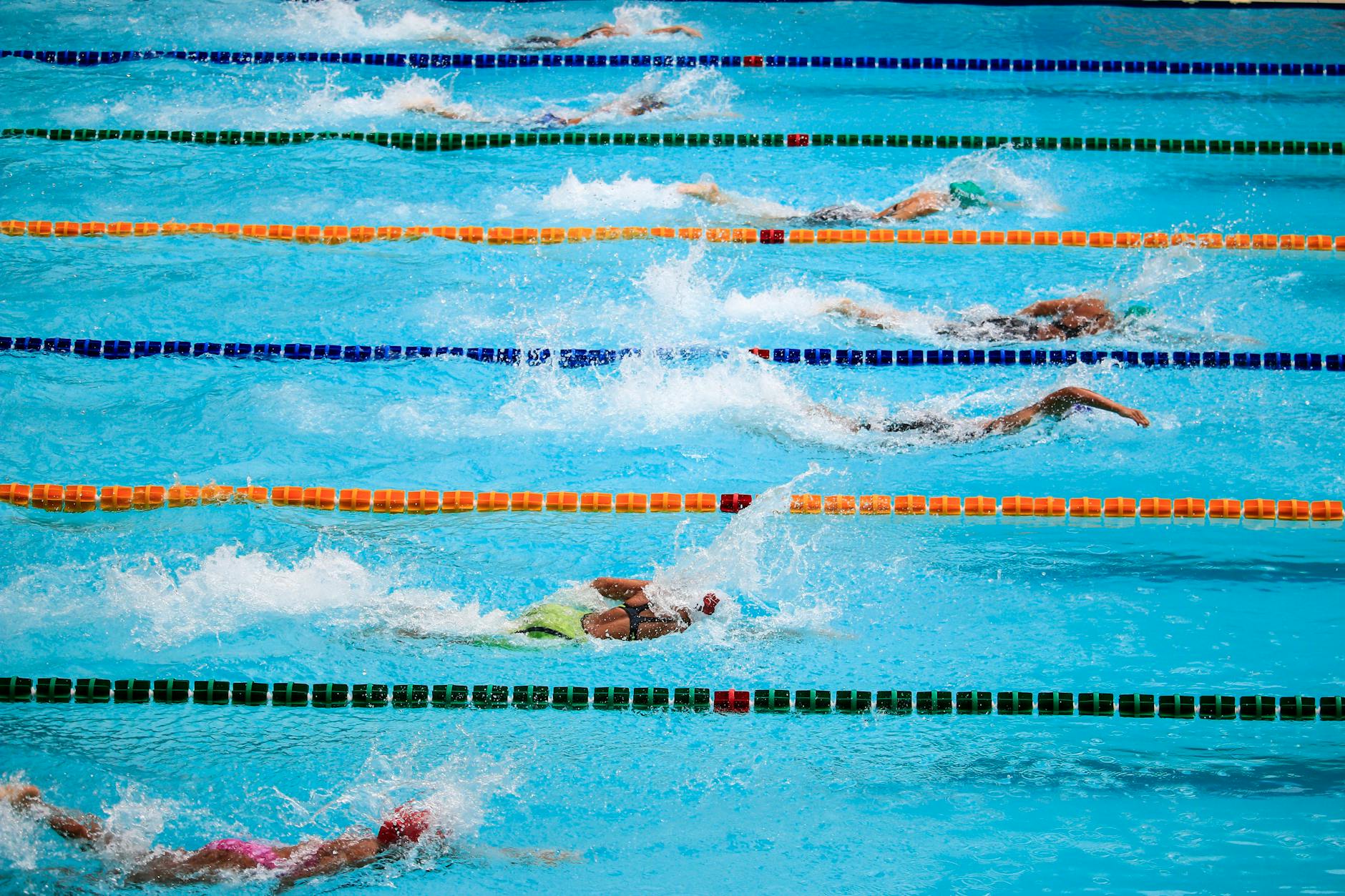
The rapidly accelerating war against doping could fill an entire post, but who wants to read an Olympic story just about cheaters?
One of the latest advancements in anti-doping is the biological passport, a system that tracks an athlete’s biological markers over time, creating a baseline profile. Significant deviations from this baseline can indicate the use of performance-enhancing drugs (PEDs) as well as any blood manipulations through transfusions. For the Paris 2024 Games, these records are referred to as an Athlete’s Biological Passport or ABP.
Many other anti-doping tests at the 2024 Olympics are understandably kept under wraps. For example, official sources only disclose that a ‘range of tests’ will be employed for urine analysis. However, the technologies of liquid and gas chromatography as well as mass spectrometry will likely play a major role. Chromatography separates and analyzes the components of a mixture by passing it through a medium where substances move at different rates. This technique helps regulators break down an athlete’s sample into its component parts and detect a variety of drugs and their metabolites. Such chromatography tests are often coupled with mass spectrometry, an analytical tool that measures the mass-to-charge ratio (m/z) of molecules in a sample. Together, chromatography and mass spectrometry can detect and identify a broad spectrum of substances, even in minute quantities, and can distinguish between deliberate doping and unintentional exposure due to environmental factors.
For the Paris 2024 Games, more than a thousand people will be involved in the various anti-doping stages. Most will help notify athletes about their tests, accompany them, and manage transportation while an experienced and credentialed group of 100 will be in charge of testing and analysis. Samples for analysis will be tested at the Laboratoire Antidopage Grançais.
As we cheer on the athletes in their quest for gold, let’s also celebrate the cutting-edge science that ensures the games remain clean and fair and that supports athletes in their training and performances. Let’s also admire the relentless drive of athletes and scientists to push boundaries and set new records!

