
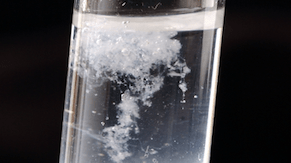

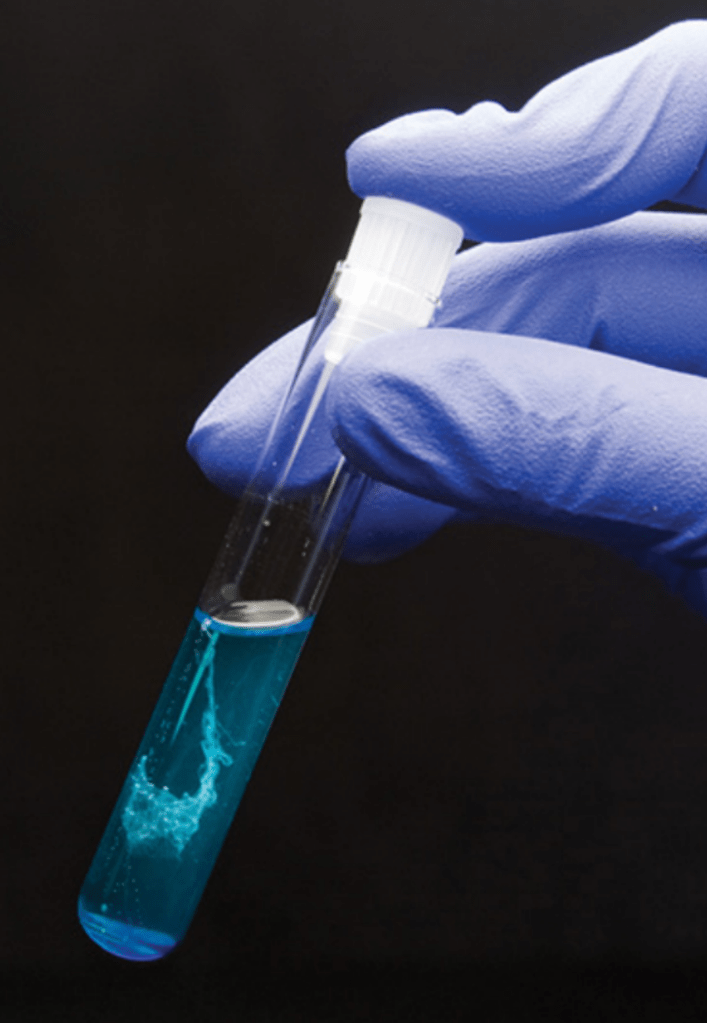
Camp Edvotek is back with another summer science activity related to Deoxyribonucleic acid (DNA) extraction. This is a quick and easy activity that will teach campers about the biochemistry of DNA and the principles behind DNA isolation methods. Campers will get to extract and visualize DNA while creating their own “Genes in a Tube” necklace! DNA extraction and purification is an important procedure used in many different fields of science and this experiment provides a great introduction to the technique. Edvo-Kit 119 provides everything needed for campers to create their own necklace! Additionally, DNA can be extracted and visualized using household items through a procedure detailed below.
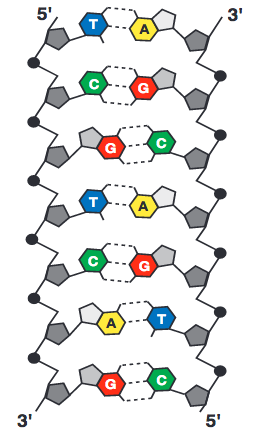
Cells are the basic unit of life that make up all living things and DNA is the molecule that directs the activities of the cell. DNA provides a blueprint for how specific cells should function through a genetic code. DNA is made up of deoxyribose carbohydrate units and nitrogenous bases. The complete structure of DNA was determined by James Watson, Francis Crick and Rosalind Franklin in 1953. Two single strands of DNA are linked in a double helix structure resembling a twisted ladder. The sides of the ladder are made of covalently bonded deoxyribose carbohydrates (known as the sugar-phosphate backbone) and the rungs of the ladder are pairs of nitrogen bases linked by hydrogen bonds with one base on either side. The nitrogenous bases are adenine (A), cytosine (C), guanine (G), and thymine (T). Each base can only connect to one other base: A can only pair with T and C can only pair with G. The sequence of base pairs in DNA provides specific instructions for cell function and is passed on from generation to generation when cells replicate.
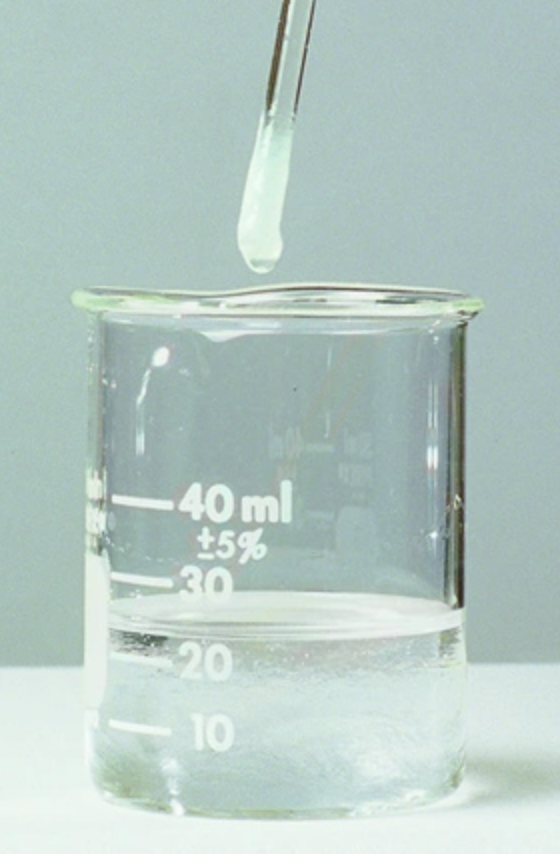
DNA is located inside the nucleus of cells. In order to obtain a sample of DNA the cells need to be broken open, or lysed. Cells can be lysed in a variety of ways but common methods involve enzymatic treatment, heating, physical crushing, or treatment with a detergent. DNA inside the nucleus can then be released, isolated and purified. DNA is soluble in water and will appear as a clear solution in water. DNA is insoluble in salt solutions and alcohol and will appear as a white, fibrous precipitate in solution. DNA is typically precipitated by overlaying a DNA solution containing salt with alcohol. Because alcohol has a lower density than water, the alcohol will create a second layer of liquid above the DNA-water solution. DNA will precipitate at the interface of the alcohol-water layers and a stirrer can be used to spool the precipitated DNA at the interface. Once extracted, DNA can be stored for long periods of time typically by being frozen in solution or precipitated at room temperature.
Almost any cell tissue can be used as a source of DNA. The most common sources of human DNA samples are from hair, cheek cells, blood and saliva. With Edvo-Kit 119, campers will extract their own DNA from cheek cells and stored in a beautiful necklace which displays their precipitated DNA in alcohol. For those interested in getting started today, here are quick and easy steps for extracting your own DNA at home. We also recommend checking out Myriad Genetic’s video and University of Utah’s “Learn Genetics” protocol for great demonstrations and guides for this experiment.
- Add tablespoon of salt to two cups of water.
- Rinse mouth with 1/4th a cup of the salt water for one minute and spit into a clear glass
- Add two drops of dish soap and stir solution.
- Add ½ a cup of rubbing alcohol to the solution and wait for three to five minutes.
- Look for precipitated DNA at the alcohol-water interface and spool DNA using a glass rod or stirrer.
- Precipitated DNA in the alcohol layer can be extracted into a small tube and made into a necklace by tying string around the tube.
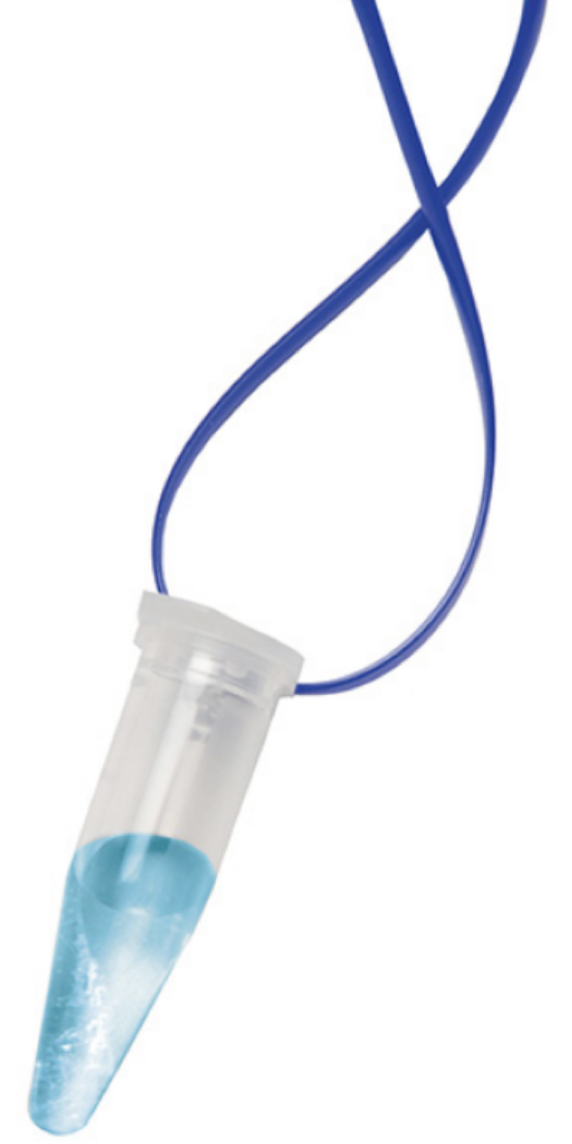
We recommend camp counselors and teachers to encourage students to think about how altering different steps of the purification process will affect the purification. Here are some scenarios to consider and ways to take this experiment even further:
- Perform an experiment without collecting cheek cells (lysis buffer only), a normal experiment and one where you rinse your mouth for twice as long to observe the effect on DNA yield.
- Observe effect on DNA yield after omitting the protease/detergent or alcohol addition steps.
- Isolate DNA by spooling and dissolve the isolated DNA in water. Once the DNA is dissolved in water, perform an agarose gel electrophoresis of the purified DNA.
Additionally, here are some more advanced Edvotek Kits that incorporate DNA extraction:
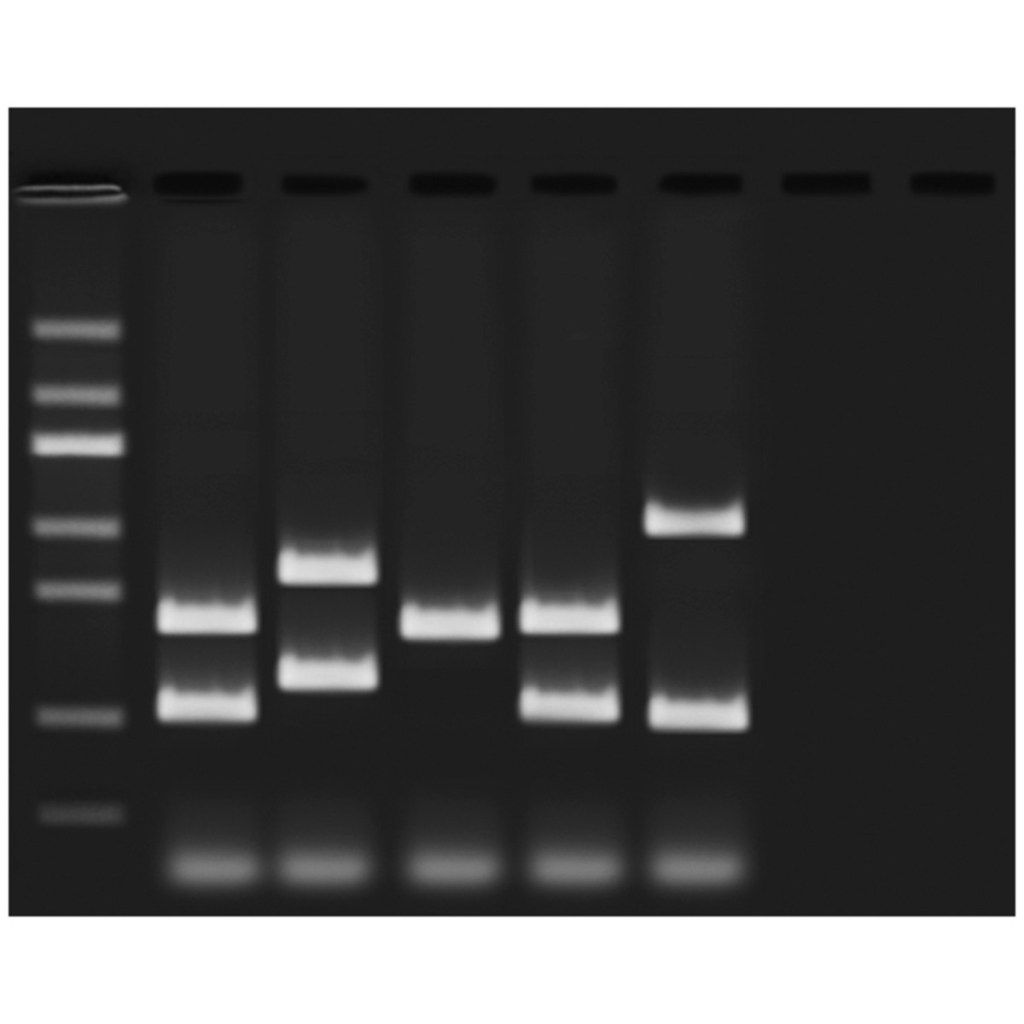
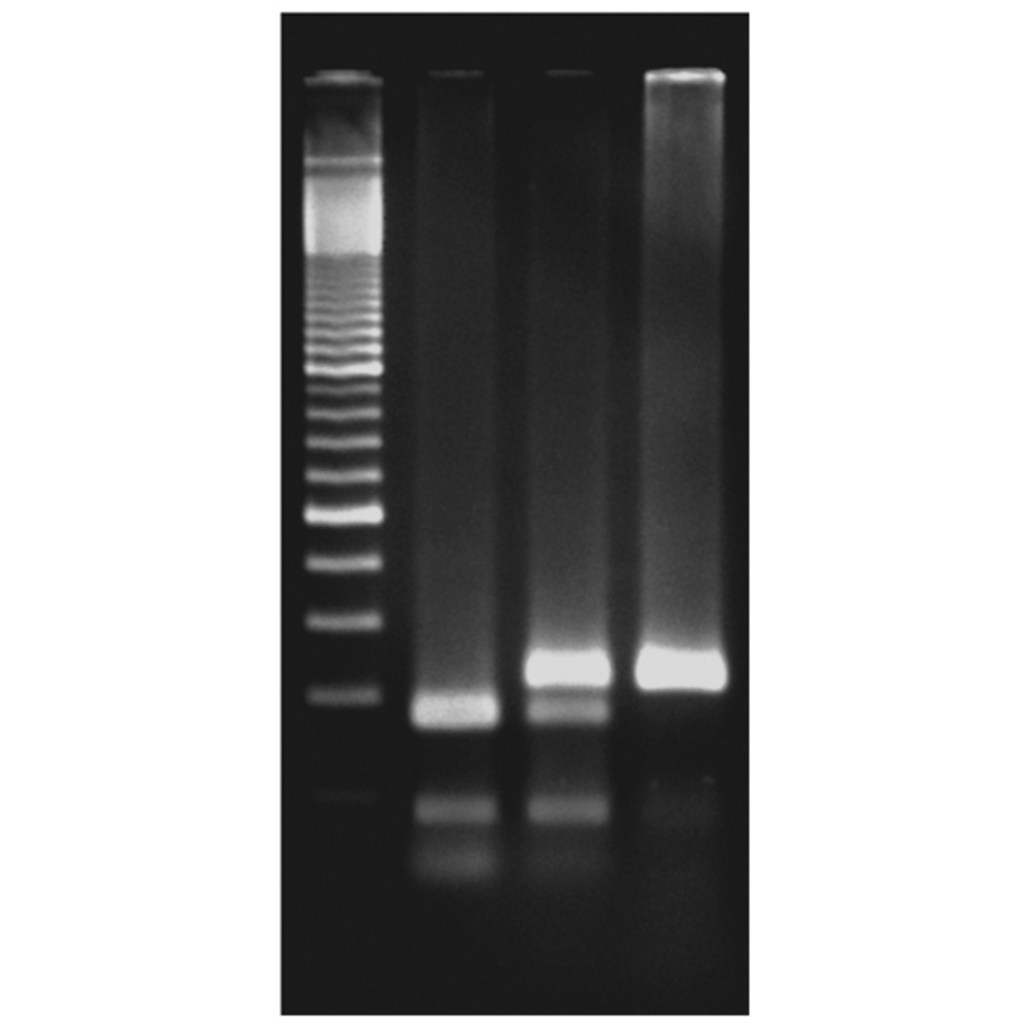
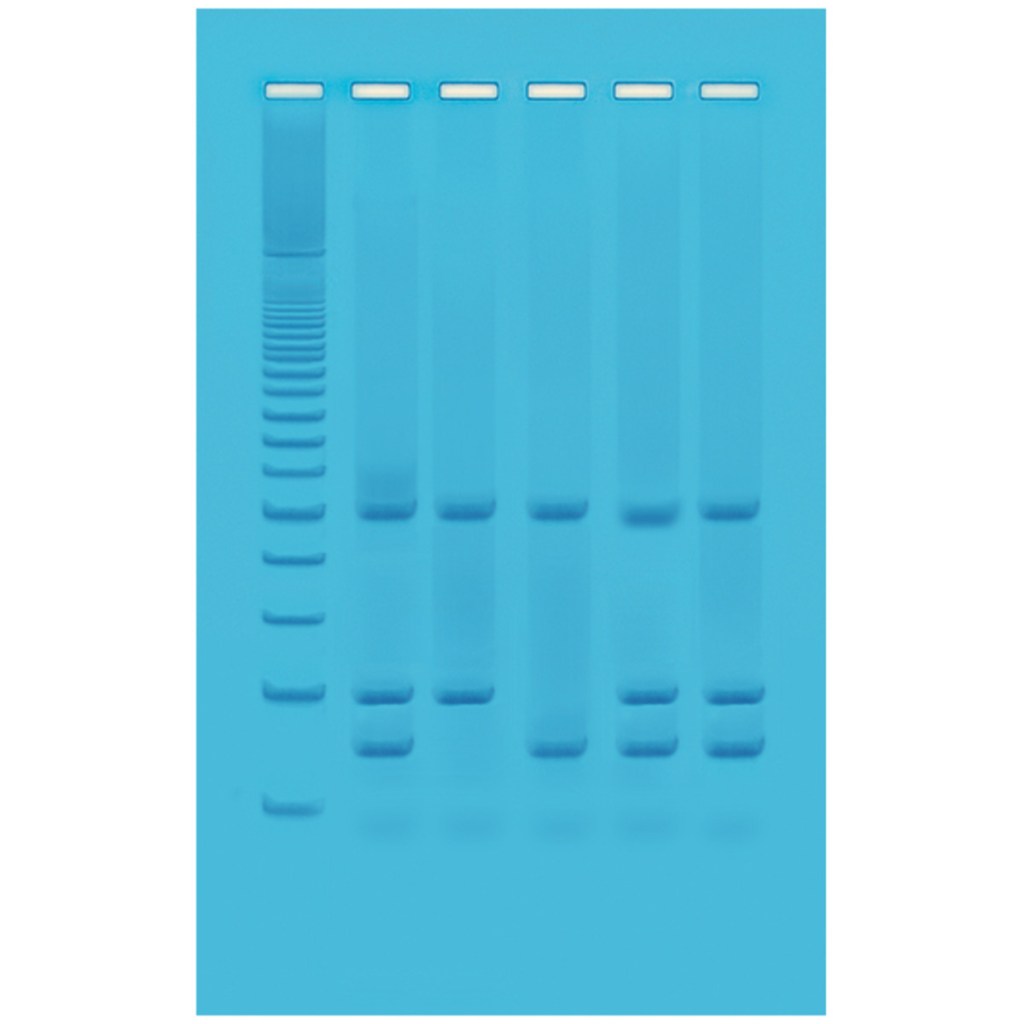
Extraction of DNA is a fundamental technique in the fields of forensic science, genetics, molecular biology, disease research and much more. Whether someone is tracking the lineage of a family tree, examining a hair sample from a crime scene, or looking into the genetic predispositions of a sick patient, DNA needs to be extracted and purified. Now that your campers are familiarized with DNA extraction and purification, feel free to have them color in the DNA badge found on page 12 of the Camp Edvotek Activity Guide and Coloring Book. We also love seeing your results so please tag us on social media or email them to curriculum@edvotek.com. We hope you enjoy this quick activity and stay tuned for more activities and science news!
 The Official Blog of Edvotek®