
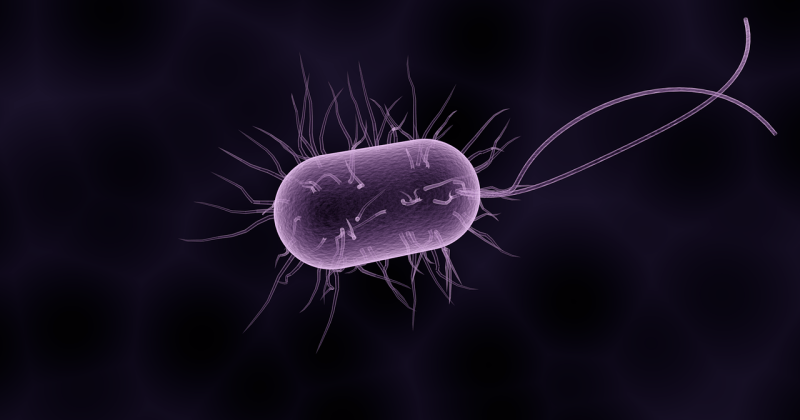

Bacteria, with their simple structure and rapid reproduction, have developed intricate mechanisms to exchange genetic material. Horizontal gene transfer (HGT) is the exchange of genetic material between organisms. HGT plays a crucial role in bacterial evolution and adaptation. Here’s a brief overview of two major mechanisms of HGT in bacteria: transformation and conjugation.
Transformation:
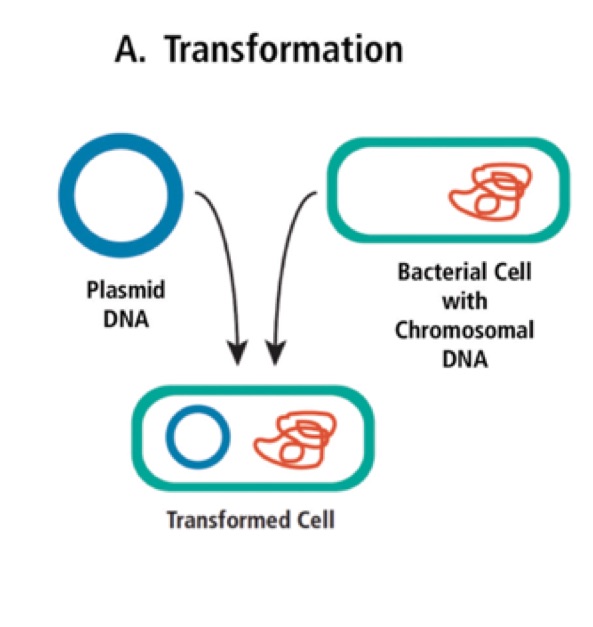
Transformation is the process by which bacteria take up free DNA from their environment. This DNA can be obtained from living or lysed bacteria or provided by an artificial source in a laboratory setting. Once inside the bacterial cell, the foreign DNA can be incorporated into the bacterial genome through recombination. This process allows bacteria to acquire new genes, which might provide advantageous traits, such as antibiotic resistance. For example, Streptococcus pneumoniae can increase its virulence in a human host through transformation by acquiring genes that enable it to evade the host’s immune system.
Key steps of bacterial transformation:
- Uptake: The bacterium absorbs extracellular DNA through its cell membrane.
- Integration: The DNA recombines with the bacterium’s own genetic material.
- Expression: The bacterium now contains new genes, which can be expressed and potentially confer new traits.
Conjugation:
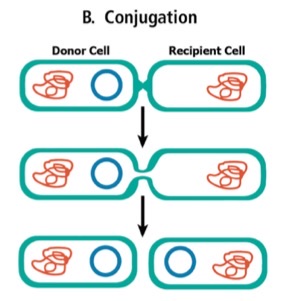
Conjugation, originally referred to as “bacterial mating,” is a direct transfer of genetic material between bacteria through a physical connection. This process involves a donor cell and a recipient cell. The donor cell typically has a plasmid that encodes the genes to be transferred and the necessary machinery for conjugation. This plasmid can be transferred to the recipient cell via a pilus, a tube-like structure that connects the two cells. The transfer of antibiotic resistance genes through conjugation can rapidly spread resistance traits among bacterial populations, posing significant challenges in healthcare settings.
Key steps of bacterial conjugation:
- Contact: The donor cell extends a pilus to connect with the recipient cell.
- Transfer: The plasmid DNA is replicated and transferred through the pilus.
- Recombination: The transferred plasmid may integrate into the recipient’s genome or remain as an independent plasmid.
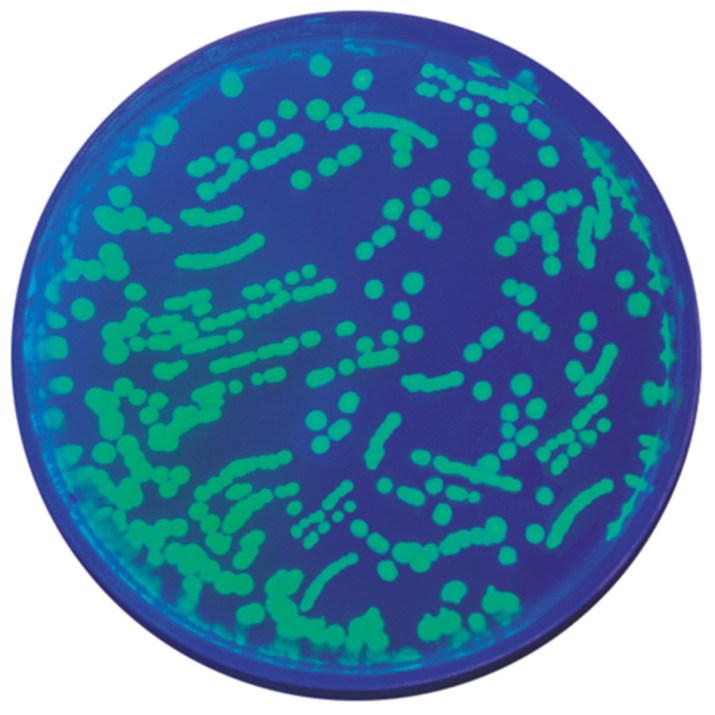
Bacterial transformation and conjugation are essential mechanisms of genetic exchange in bacteria. They contribute to genetic diversity, adaptation, and the spread of traits such as antibiotic resistance. Understanding these processes is crucial for fields ranging from microbiology to biotechnology and medicine. If you are interested in more kits related to bacterial transformation, check out these below:

For students interested in a more complex method of HGT, check out the kit below which examines how viruses replicate through inserting DNA into bacterial cells.

We hope you have enjoyed this quick lesson! If you are interested in performing a conjugation experiment, be sure to keep an eye on this blog!
 The Official Blog of Edvotek®