


All animals contain bacteria within them that makes up an organism’s microbiome. Researchers are investigating bacteria to understand how animals navigate using Earth’s magnetic field. It is thought that migratory animals can sense the Earth’s magnetic field in order to navigate their migration. Scientists are currently investigating if this navigational ability is related to the presence of magnetic bacteria within the microbiome of migratory animals. Magnetotactic bacteria contain magnetic crystals called magnetosomes. These crystals align with the Earth’s magnetic field, allowing the bacteria to orient themselves and move in response to a magnetic field. This ability has intrigued scientists for years, as it seems to offer a biological model for understanding magnetic navigation.
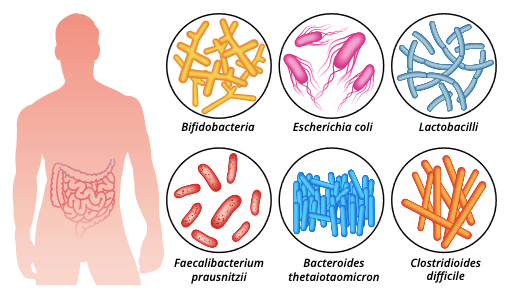
Recent studies from the University of Central Florida Biology department have uncovered more about the relationship between animals and the magnetic bacteria within them. A large bioinformatics study was initially conducted where trillions of genetic sequences obtained from various animal sources were analyzed. The Fitak lab at UCF looked for genetic sequences unique to magnetotactic bacteria and discovered an association between magnetotactic bacteria and many animal species. Fitak noted that magnetic bacteria were commonly found in animal hosts associated with navigation such as birds and sea turtles and speculated that the bacteria reside in areas of animals that allow the animals to sense the bacteria, such as the nervous system. Fitak has coined the term “magnetobiome” to describe the magnetic bacteria found within animals.
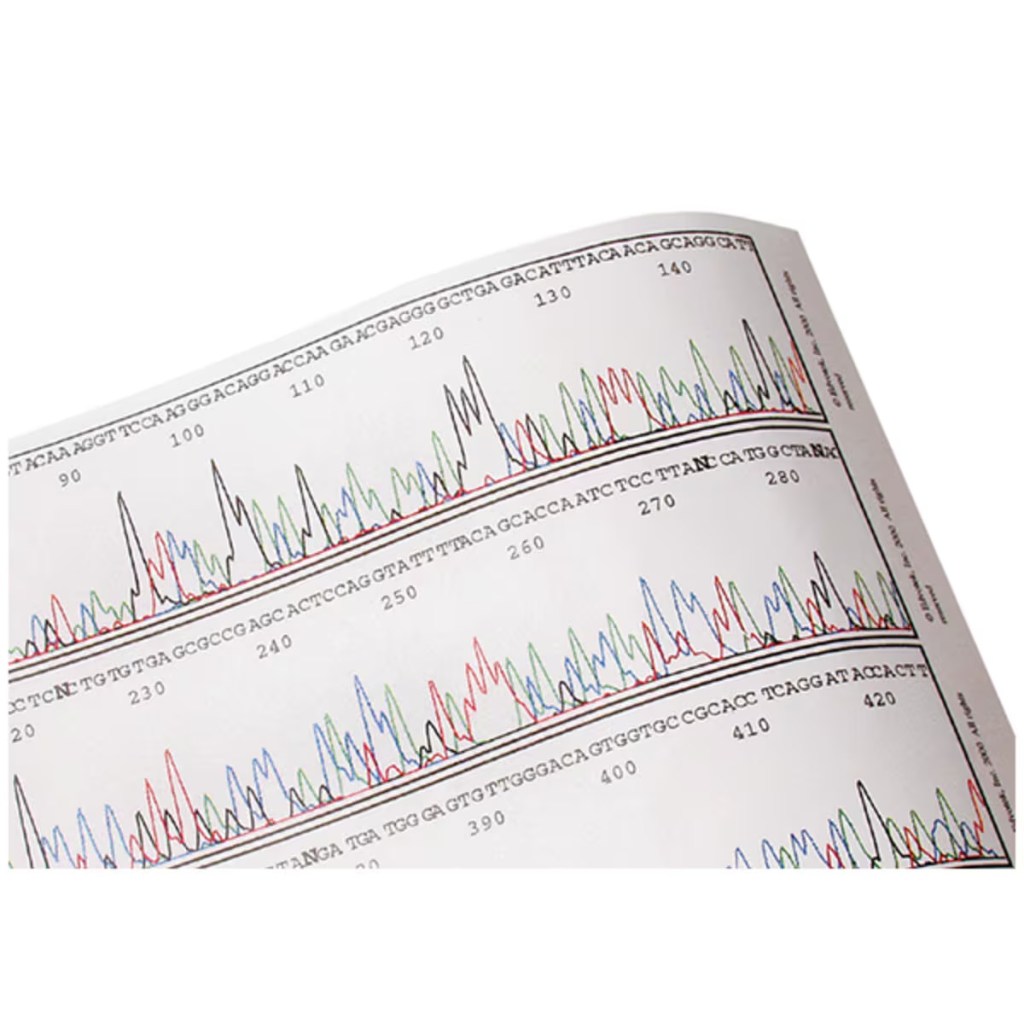
Fitak and UCF have also moved onto studying living organisms, specifically sea turtles. Sea turtles are a great model organism for this study as they are known to contain magnetic bacteria and accurately travel long distances to specific locations. Tear samples from sea turtles are perfect for investigation since they can be obtained without causing harm and tear duct nerves are associated with their magnetic sense. The DNA is then extracted from these tear samples, sequenced and quantified to measure the species of bacteria and amount of each species within the sample. With over 150 samples analyzed already, Fitak is looking for specific strains of magnetic bacteria to further explore a link to navigation.

In summary, this research used a large genetic dataset to find trends in microbiota related to navigation in animals. The researchers have moved on to investigating genes from sea turtle samples to study the microbiota in tear ducts. Overall, the investigation into magnetotactic bacteria is not just about understanding a microscopic organism but also about uncovering fundamental principles of navigation that could extend across different forms of life. The research aims to bridge the gap between microbial navigation and animal behavior. By understanding the precise mechanisms that allow magnetotactic bacteria to use magnetic fields, scientists hope to shed light on how animals, from birds to sea turtles, use similar cues for navigation. This knowledge could have practical applications in technology and medicine, potentially leading to new advancements in navigation systems and diagnostic tools. For those interested in how scientists identify different bacterial components of an animals microbiome, check out this kit below:
 The Official Blog of Edvotek®