


When the cold weather of winter arrives, many organisms face extreme challenges, from freezing temperatures to shorter days and less food. To survive, these organisms rely on gene regulation. This process involves modulating gene transcription to effectively turn genes “on” or “off” in order to produce the right proteins at the right time. By regulating their genes, organisms can adapt to the cold and avoid damage from freezing, dehydration, or energy shortages. Let’s explore how different organisms use gene regulation to survive the winter.
In plants, one of the key ways they survive winter is by turning on genes that help protect them from freezing. For example, when temperatures drop, many plants activate genes that produce proteins known as “cold-regulated” proteins. These proteins help protect the plant’s cells by stabilizing their membranes and preventing ice from forming inside the cells. One well-known plant example is the Arabidopsis thaliana, a small weed native to Eurasia. This plant uses a special transcription factor called the C-repeat binding factor to turn on cold-related genes. This gene regulation helps it survive freezing temperatures and continue growing once the weather warms up again.

Animals also use gene regulation to survive the cold. One famous example is the hibernating ground squirrel. During winter, these squirrels enter a deep sleep-like state, where their body temperature drops significantly. To protect their organs and tissues from freezing, the ground squirrel’s body produces special proteins and molecules that prevent ice from forming inside its cells. This gene regulation process helps the squirrel survive for months without food. Other animals, like Arctic fish, produce antifreeze proteins that stop their blood from freezing in the icy waters. These proteins are produced by genes that are activated in response to the cold, ensuring that the fish can survive in subzero temperatures.
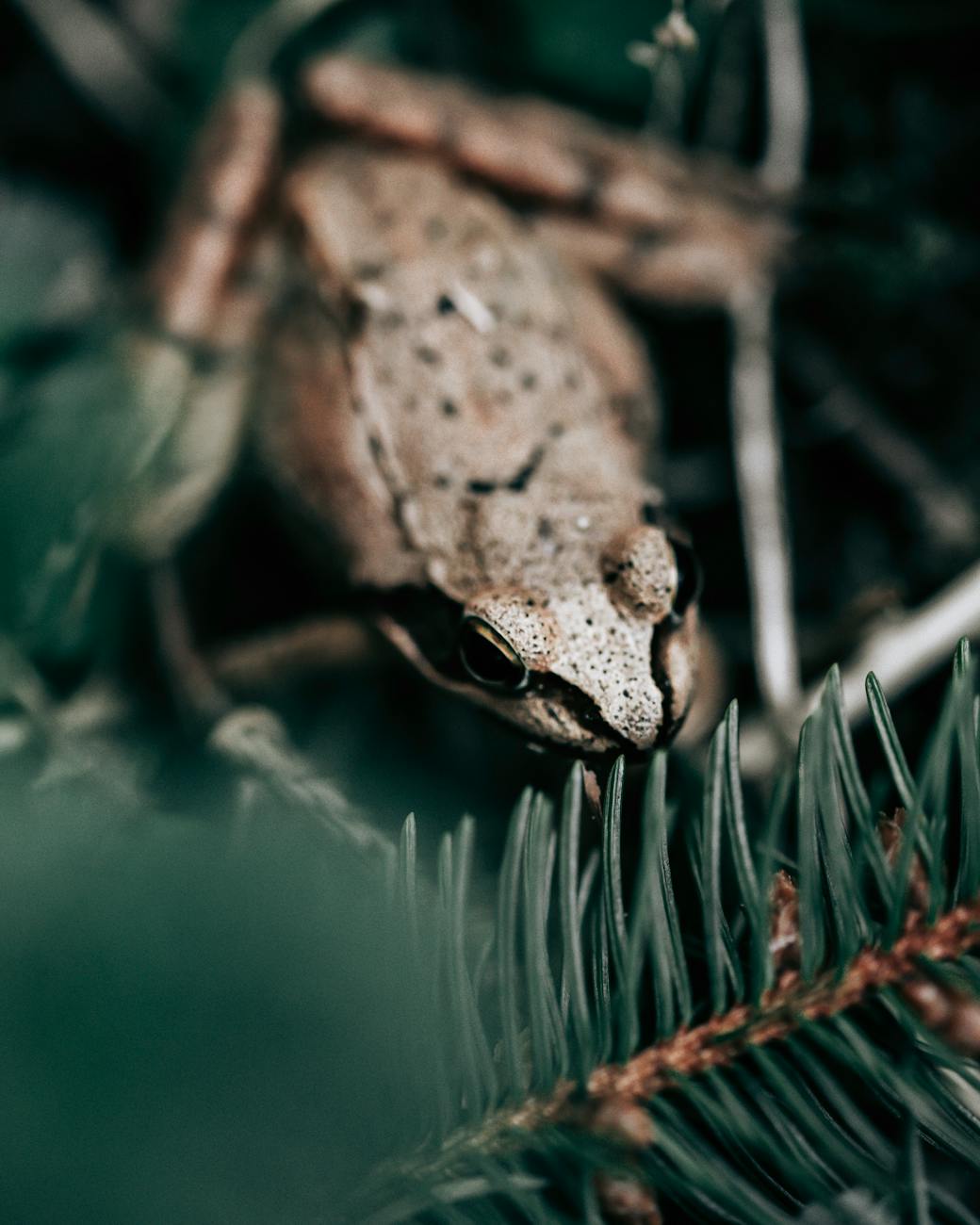
Cold-blooded animals like frogs also use gene regulation to adapt to the cold. In the winter, some frogs, such as the wood frog, can survive even after their bodies freeze! When temperatures drop, wood frogs enter a state called “freeze tolerance,” where their cells can tolerate ice forming inside them without causing damage. This incredible adaptation is made possible by the production of cryoprotectants, which are substances that prevent ice crystals from damaging the cells. These cryoprotectants are produced by turning on certain genes in the frog’s body when the cold weather arrives.
Gene regulation can also involve changes that last for multiple generations. In some plants, exposure to cold can cause long-lasting changes in how genes are turned on or off. This is known as an epigenetic process. For example, some plants that grow in cold climates may “remember” their exposure to low temperatures and become better at surviving future winters. This memory of the cold is passed down to future generations through changes in the way their DNA is packaged, which can help them better withstand the cold without having to “learn” it again. For more info on epigenetics, check out this graphic from Harvard University.
In conclusion, gene regulation is a vital part of how organisms survive winter. Whether it’s turning on cold-resistant genes in plants, producing antifreeze proteins in Arctic fish, or allowing frogs to freeze and thaw without harm, gene regulation allows organisms to adapt to cold environments. By using these clever biochemical tricks, organisms can survive even the harshest winter conditions and continue to thrive until warmer weather returns.
 The Official Blog of Edvotek®
1 comment
Comments are closed.