


When the nonprofit REAL School Garden introduced school gardens to 90 elementary schools, they saw increases of 12-15% in students’ standardized test scores, with the largest gains in science. While your students may have outgrown their elementary days, the advantages of garden-based learning remain. They include:
Hands-On Learning: From DNA extractions to photosynthesis measurements to ecosystem analysis, abstract theories come to life through garden experiments. Experiments also help students develop critical thinking and other practical skills and often lead to enhanced retention.
Neuro Boosts: Outdoor learning isn’t just educational—it’s therapeutic. Exposure to nature reduces stress, sharpens focus, and invigorates students. Bonus fact: Most soils contain Mycobacterium vaccae, a natural microbe linked to improved mood and cognitive function. Exposure to M. vaccae increases when you dig!
Real-World Relevance: Students see firsthand how their studies connect to real-world challenges like food security, health, and climate change.
Gardens are living laboratories. They’re also places where science students thrive. What’s more bringing your class to a garden can be simpler than you think! Below, are some ideas. (To help out we’ve organized by investment level, making it easy to find activities that align with your time, resources, and goals.)
Sprouts and Starters (1-1.5 Classes)
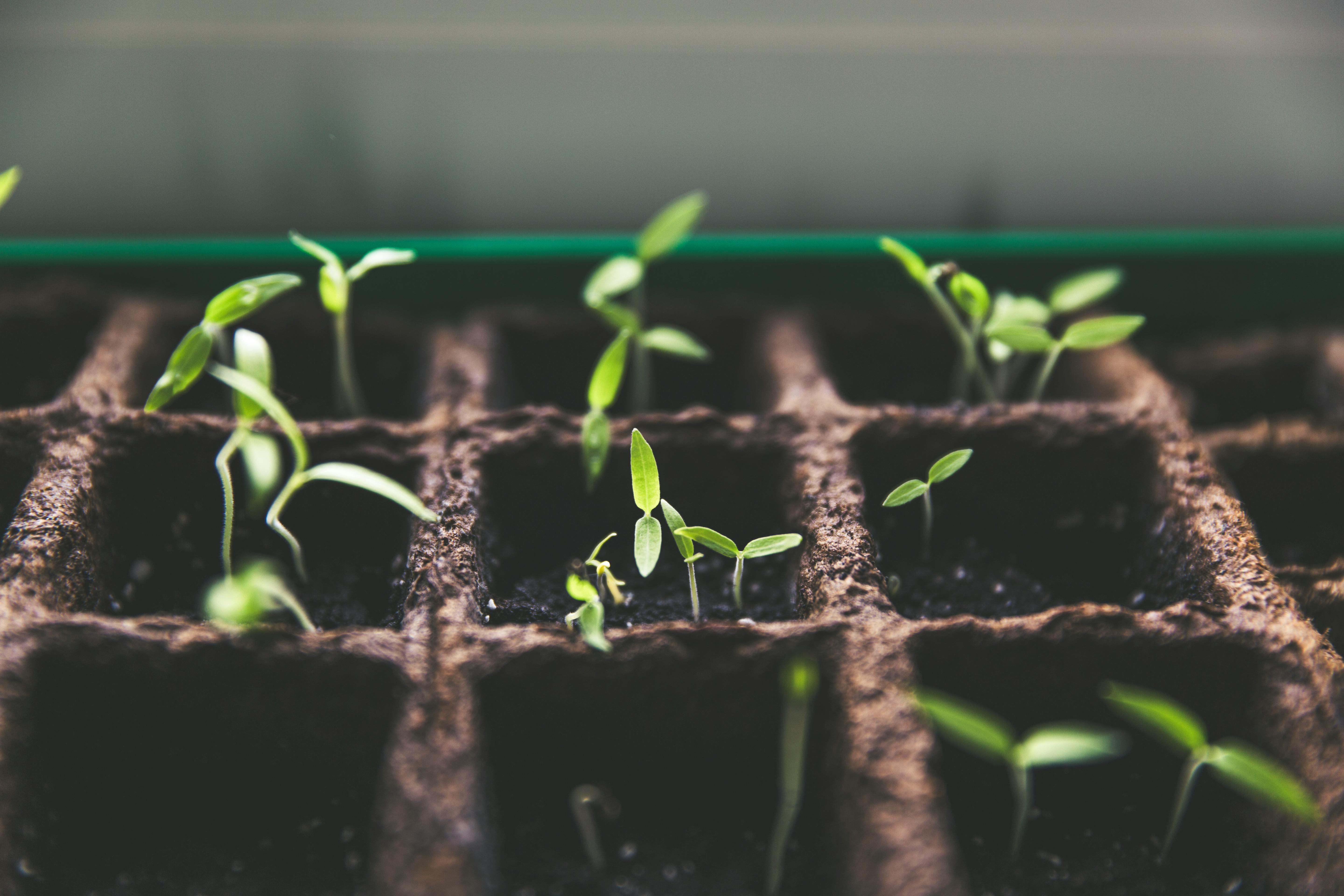
1. Anatomy in Action: Guide students in dissecting flowers or leaves to uncover structures like stomata, veins, and reproductive organs. Connect morphology to function by explaining how each part contributes to the plant’s survival and reproduction.
2. STEAM in the Garden: Take a short field trip to the garden (or a green space on campus) and encourage students to create botanical illustrations, photographs, or videos showcasing plant adaptations. Extend the activity by researching famous artist-scientists or hosting a Science-Art show to share their work.
3. Soil Microbiome Analysis: Use LB plates to reveal the diversity of microbes in the soil. Students can observe the colonies that grow and learn that these represent just a fraction of the soil’s microbiome. This can be a great jumping-off point to discuss next generation sequencing and DNA barcoding.
4. DNA Detectives: Teach molecular biology fundamentals by extracting DNA from plants. This visually striking activity captivates students while introducing them to the building blocks of life. Collect plants from the school’s garden or grab strawberries and spinach from the grocery store for a fun and approachable lab!
Root Builders (2-3 Classes)

5. Biodiversity Barcoders: Dive deeper into molecular biology by barcoding plant DNA. This hands-on activity introduces students to cutting-edge genetic techniques while fostering discussions on biodiversity and the importance of species identification in ecological studies.
6. Gene Sleuths: Use Polymerase Chain Reaction (PCR) to identify genetically modified organisms in a hands-on lab activity. This exercise not only introduces students to advanced molecular biology techniques but also sparks meaningful discussions on issues surrounding GM crops. Encourage students to also explore related topics like food labeling transparency and food security.
7. Soil Scientists: Explore what makes soil fertile by testing its pH, nutrient content, and texture. Connect these findings to key biological concepts like the nitrogen cycle and soil health. After analyzing the results, students can apply their insights to recommend evidence-based strategies for next year’s planting.
8. Light, Leaves, and Life: Explore photosynthesis using either floating leaf disk assays or thin-layer chromatography.
9. Genomic Gardeners: Students plant, grow, and study the genetics of a seed variety of their choice. They can present on the species’ genome, key traits, and its genetic and cultivation history. This project can also set the stage for a larger discussion about selective breeding, genetic modification, and/or CRISPR technologies.
Full Bloom Experiences (4+ Classes)
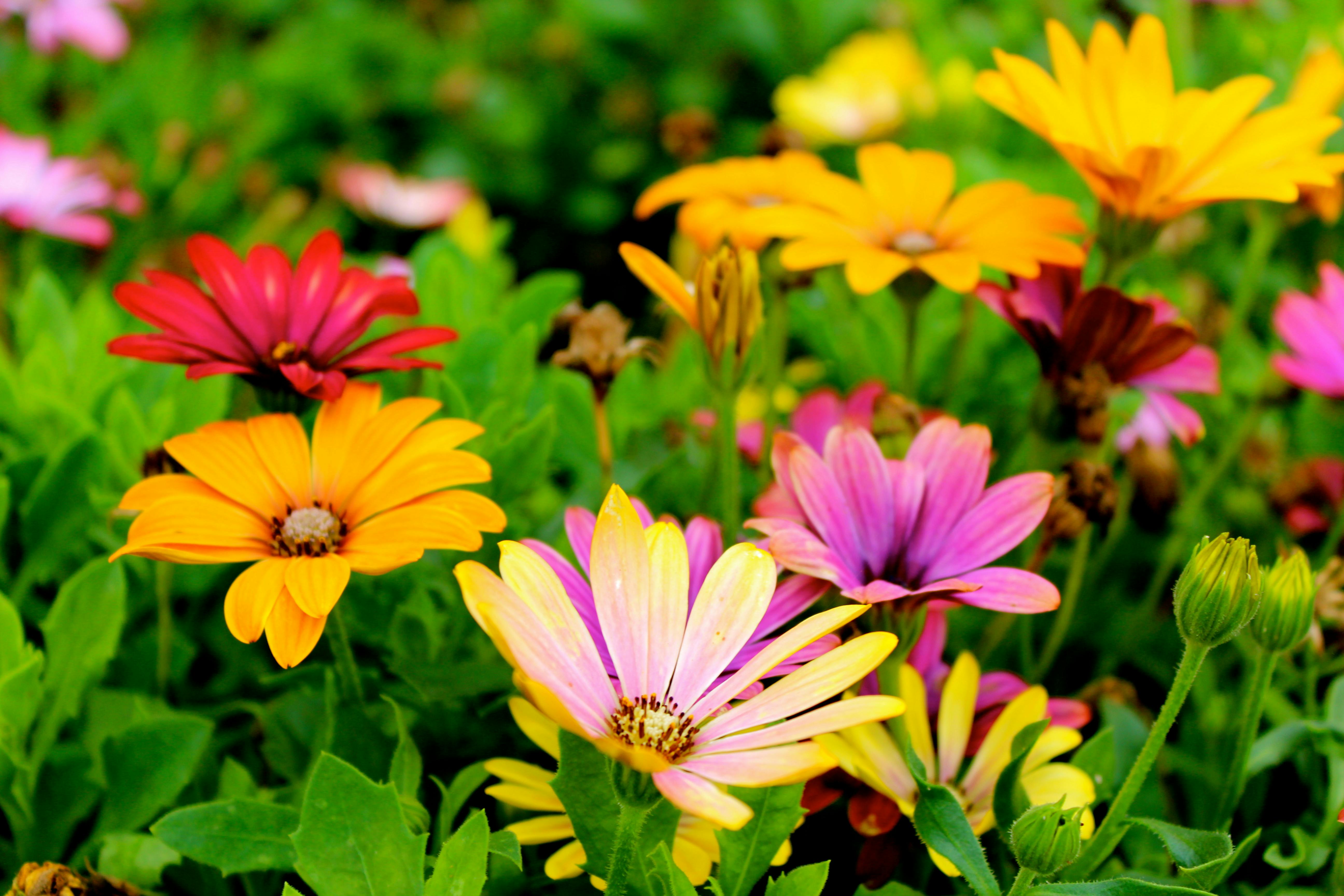
10. Pollinator Pioneers: Plant different flowers—or different combinations of flowers—at two distinct sites. Develop a method to observe and quantify pollinator activity at each location, then analyze the results to uncover the relationship between plants and pollinators. This hands-on activity is an excellent introduction to experimental design and data analysis. (The engaging nature of plant-pollinator relationships, combined with plenty of outdoor garden time, can also ease any nerves around analysis heavy assignments!)
11. Sunlight Scientists: Investigate how plants grow under varying conditions, such as sunlight versus shade or in different soil types. This experiment is highly adaptable, accommodating a wide range of skill levels and scaling seamlessly as students’ critical thinking and analytical skills grow.
12. Free-Range Researchers: Empower students or student groups to design and carry out their own garden experiments, either inspired by or entirely distinct from the activities above. This hands-on experience should serve as a central part of the class and will foster deep research and science skills while encouraging creativity and independent thinking.
No garden? No worries! (Class time requirement varies)

13. Windowsill Evolution: Use Quick Plant™ populations to explore artificial selection. Cross-pollinate selected plants based on desirable traits and observe changes in subsequent generations to understand natural selection and evolutionary principles.
14. Environmental Toxicology: Plan and perform a plant bioassay to assess the environmental hazard posed by common point and non-point source pollutants.
15. Plan a Garden: There are many resources available to help create a school garden, but a great first step is tapping into your students’ creativity. Explore this STEM guide or this STEM Design Challenge as a way to engage your class in a garden design project.
Gardens are more than just spaces to grow plants—they cultivate curiosity, foster critical thinking, and connect students to the world around them. Whether you’re planting a single seed or launching a full-scale garden project, the lessons will bloom far beyond the classroom.

 The Official Blog of Edvotek®