

One of the fundamental decisions when designing a biotechnology experiment relates to the method used to collect and analyze the data. As we have discussed previously, a key distinction lies in the difference between quantitative and qualitative data analysis. Let’s start with a quick refresher:
- At the most basic a qualitative assay will answer a “yes or no” question. Is the test positive or negative, is the substance present or not present, is there blood present on a sample or not? These sorts of assays tend to be very quick and are used when that yes or no, binary answer is all that we need. Think of something like a pregnancy test… you can’t be just a little bit pregnant, you either are or are not. This makes it perfect for use as a qualitative test.
- On the contrary, a quantitative test will tell the user how much of a sample is present. In this instance, we will make a standard curve using known concentrations of the target molecule and will then compare it to our unknown samples to determine the absolute concentration. These assays are usually much more complex and take longer to perform but they provide more information. Quantitative assays are useful for determining the concentration of an enzyme or other protein in a sample, for distinguishing between high or low expression, or for examining more subtle differences in behavior.
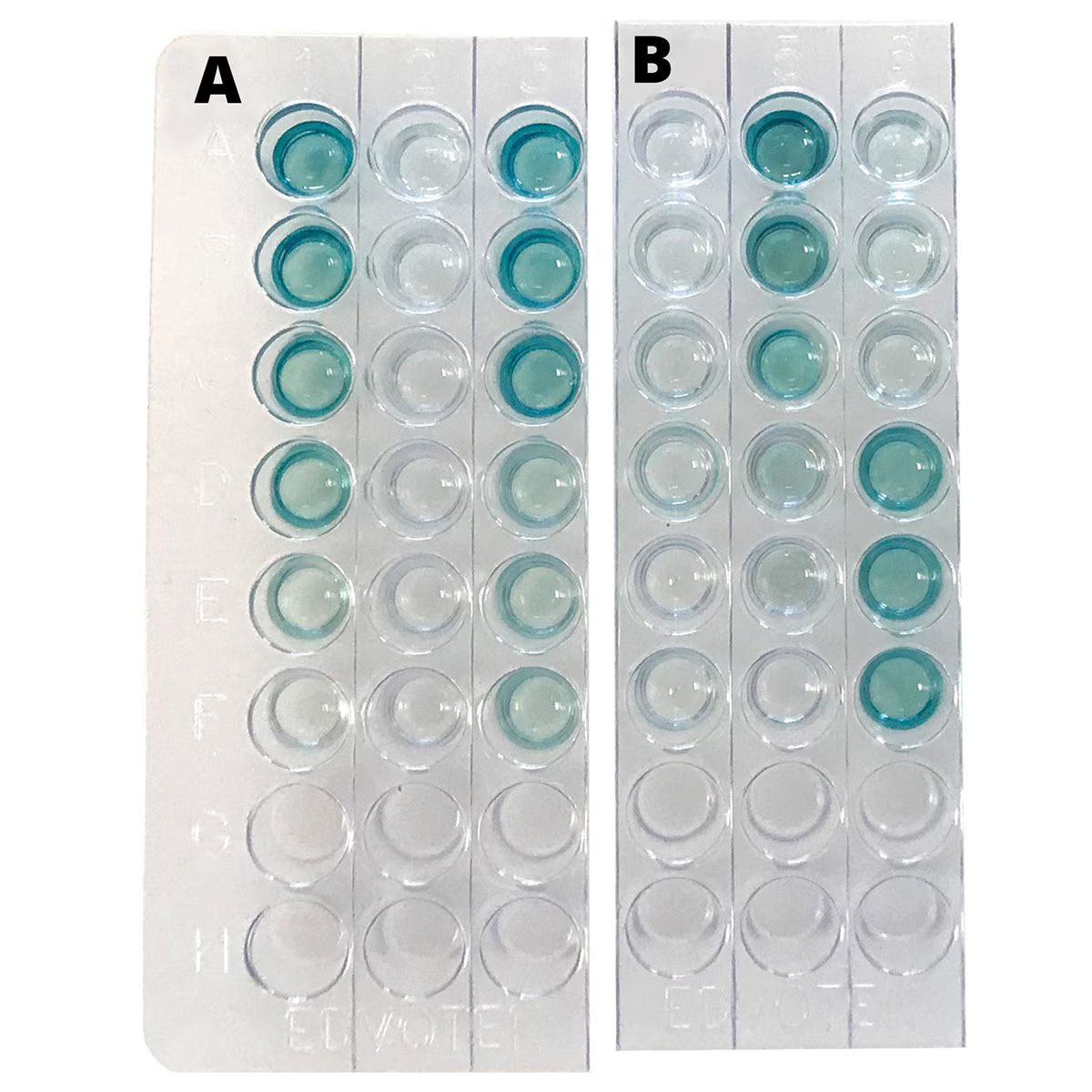
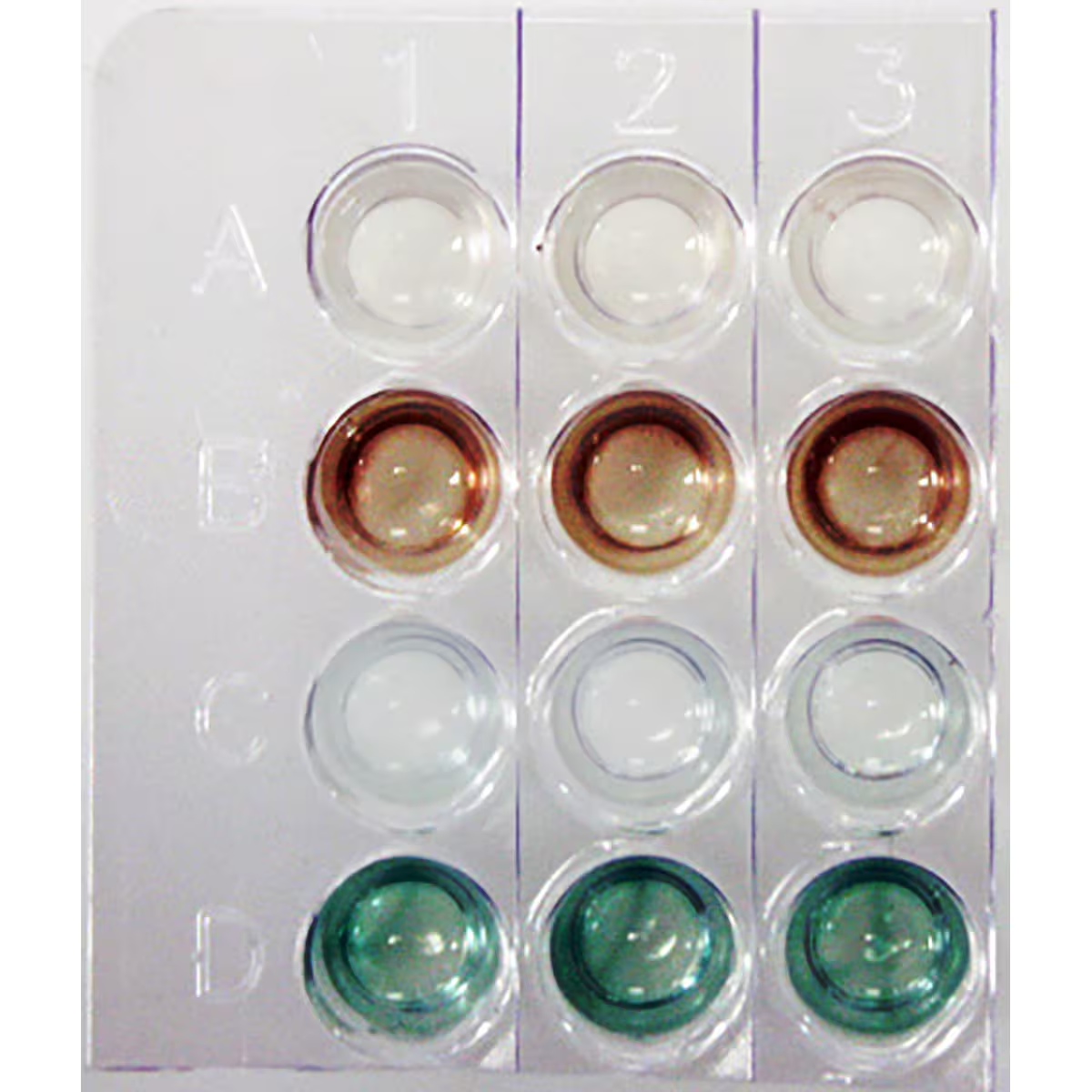
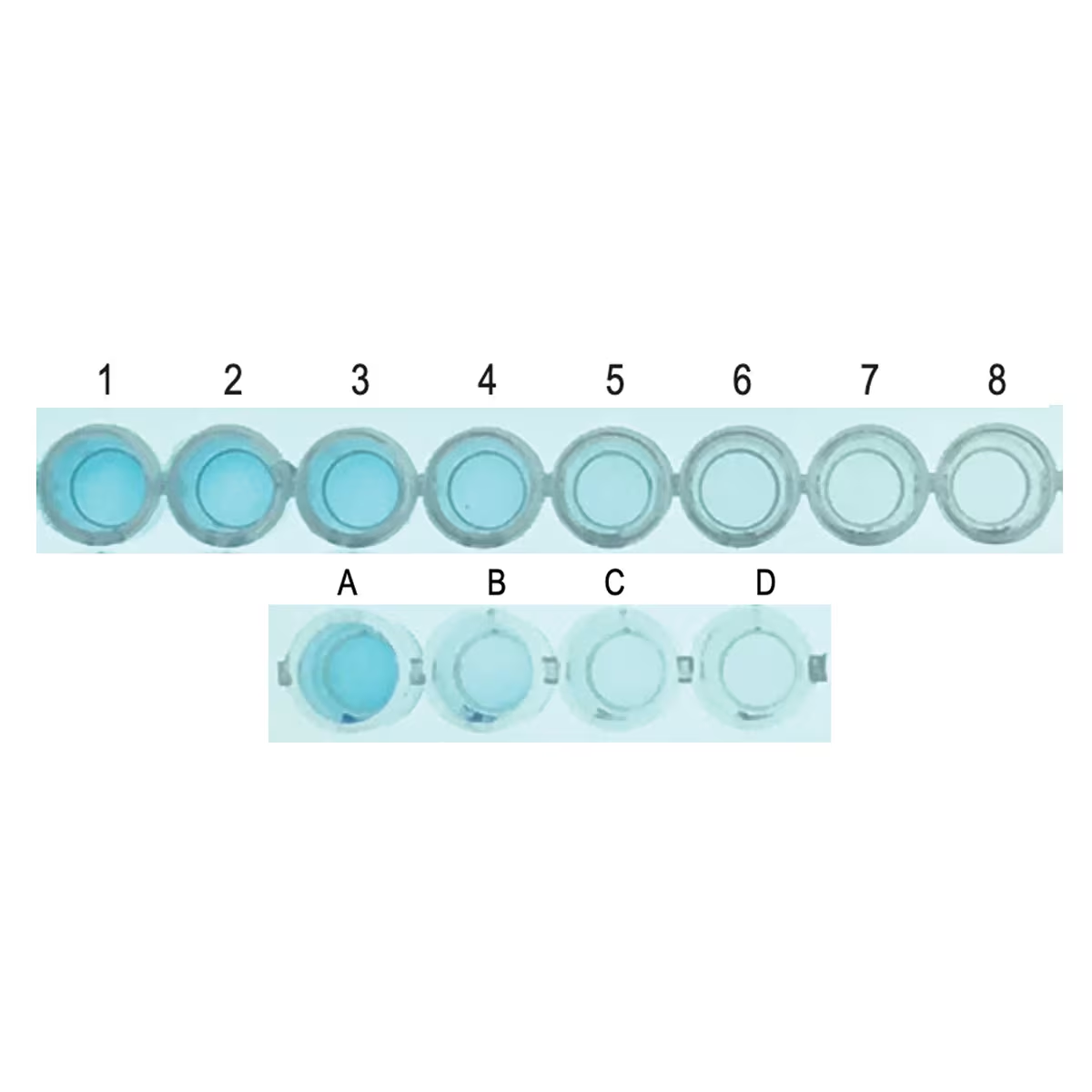
A perfect example of the differences between quantitative and qualitative assays can be seen within the Enzyme-Linked ImmunoSorbent Assay, or ELISA. The ELISA is a specialized technique that uses antibodies to detect the presence of specific antigens (ie: proteins, peptides, or other antibodies). Edvotek produces a wide range of qualitative classroom ELISA experiments, including simulations of COVID-19 detection, investigations into human health, and analysis of different substrates and antibody targeting. In addition, we produce quantitative ELISA experiments that examine the concentration of milk whey protein in an unknown food sample or determine the specificity of two primary antibodies.
How do you quantify a quantitative ELISA?
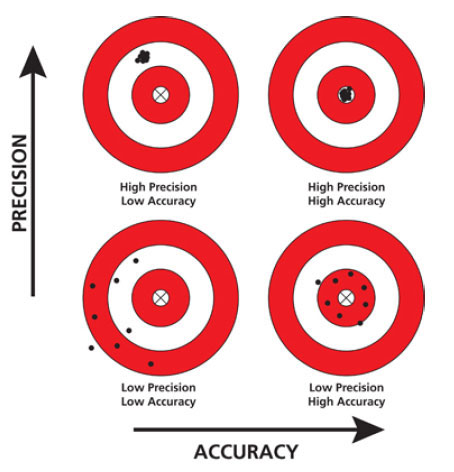
As you can imagine, quantitative assays are important and very powerful. They are going to allow us to use mathematical modeling and statistics to pull out a lot of information from the experiment. Of course, with this also comes a requirement that the experiment is performed accurately. Small mistakes can result in a large deviation to the measurements being performed. We want to make sure that everything is both accurate, hitting as close to the desired measurement as possible, and also precise, or reproducible.
Once the experiment has been performed there are a number of options to quantify the data. If available, many ELISA experiments can be quantified using a plate reader, a specialized instrument that can measure the absorbance of samples in a microwell plate. However, while common in research labs, plate readers are less often found in a classroom. Instead, students can measure their samples using densitometry. Instructions for this procedure can be found in the Student Instructions for the quantitative ELISA experiment. In short, students will take a photo of their results and then use a free program called ImageJ to analyze the gray value of the pixels in each sample. The user selects a sample well and records a measurement, which provides a simple value of the intensity of the color in that well. Although this procedure works well it does require the user to download and install the ImageJ program and manually identify and select each well.
Fortunately, we have created an automated process for recording the densitometry of an ELISA experiment using AI. Students can use ChatGPT to automate the process of selecting a well, collecting data, and analyzing the results. With this process, ChatGPT is able to accurately determine the intensity of each sample, showing students the potential value of AI in quantitative biotechnology. Importantly, the entire process is free and accessible – students can utilize the free version of the AI program using any internet browser.
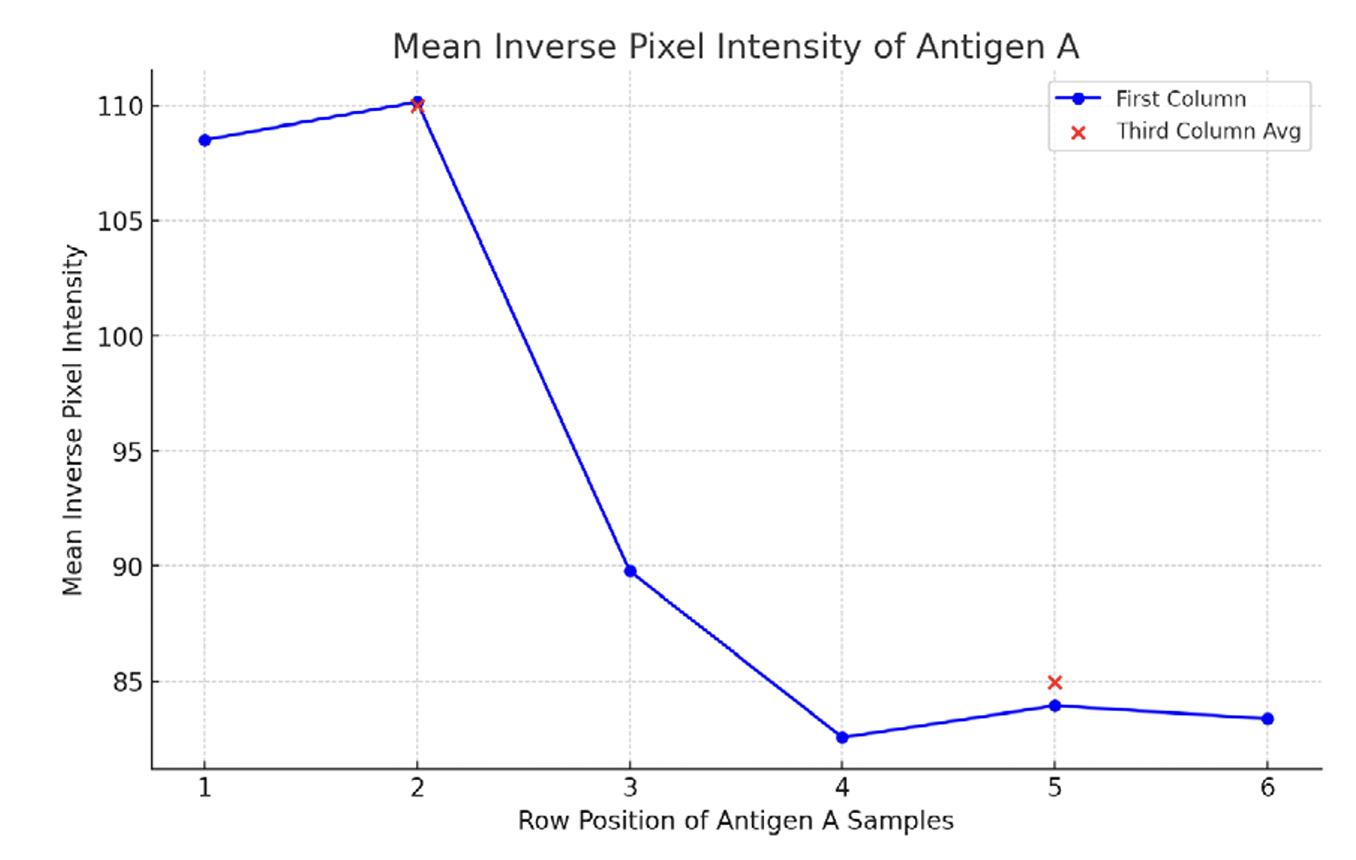
For more information, check out the ELISA resources page at Edvotek.com or the instructions for the quantitative ELISA experiment here. Or better yet, join us in a hands-on workshop at one of the upcoming educational conferences! You will have an opportunity to perform the quantitative ELISA and then use multiple methods, including AI, to calculate your results. We hope to see you there!
 The Official Blog of Edvotek®
3 comments
Comments are closed.