


Spring is a beautiful season of change. From our perspective we get to enjoy warmer weather, flowers blooming and wildlife returning. But there’s also tons of change going on beyond the surface! Inside plants and animals, tiny molecular switches control how genes work, turning certain genes “on” or “off” depending on the environment. This is known as epigenetics, and these alterations to gene expression help living things adapt to seasonal changes like temperature and daylight.
One great example of epigenetics in spring is how plants know when to bloom. Some plants won’t flower too early, even if there’s a warm day in winter. Instead, they wait for a steady rise in temperature before “turning on” the genes for blooming. This is controlled by small chemical changes in the plant’s DNA structure via histone modification. Histones are DNA-bound proteins which can be chemically modified in response to external stimuli which then alters DNA expression. In this case, these DNA modifications allow the plant to flower at the perfect time when bees and other pollinators are around.

Epigenetics also comes into play when animals adjust to spring weather. Certain species of hamsters who live in snowy environments change their fur color with the seasons. In winter, a gene that makes brown fur is “turned off,” so their fur turns white to blend in with the snow. When spring arrives and the days get longer, the gene is switched back “on,” and their brown fur returns, helping them stay camouflaged as the snow melts.

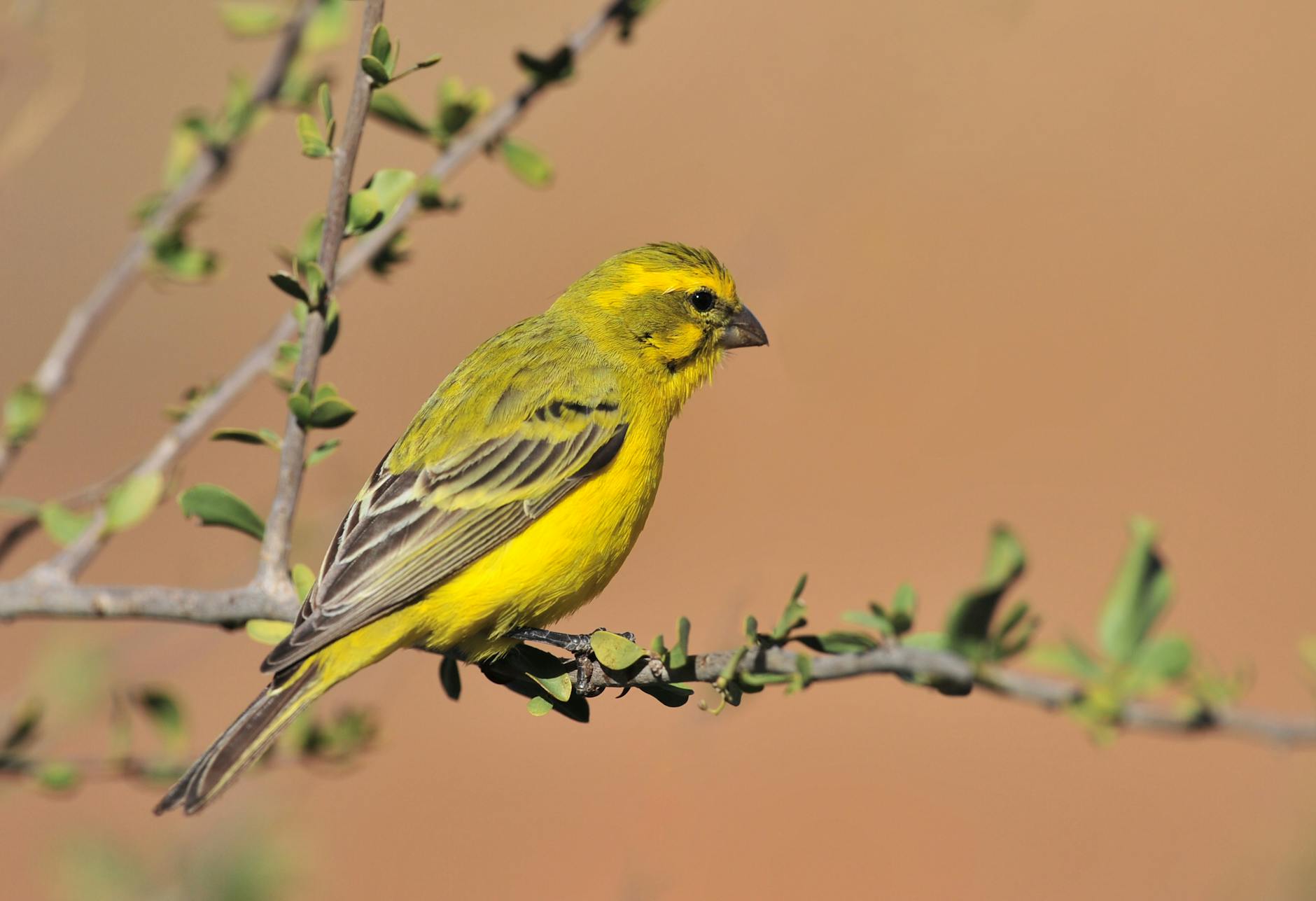
Birds also experience epigenetic changes in spring. Canaries, for example, sing to attract mates, but in winter, the genes that help them sing are mostly “off.” As the days get longer, these genes are turned “on,” allowing the birds more time to actually improve their songs. This timing is important because a better song helps them find a mate and defend their territory.
Spring is the season where you can observe some of the most beautiful changes in the environment. These changes are driven by epigenetic responses helping living things adjust to their environment. Whether it’s plants knowing when to flower, animals changing their fur, or birds improving their songs, these hidden genetic changes play a big role in the natural world. Understanding epigenetics helps us see how living things respond to their surroundings in amazing ways!
 The Official Blog of Edvotek®