

There are two major STEM Holidays coming up next week: Earth Day on April 22nd and DNA Day on April 25th. Here are two positive stories we enjoyed related to these holidays.
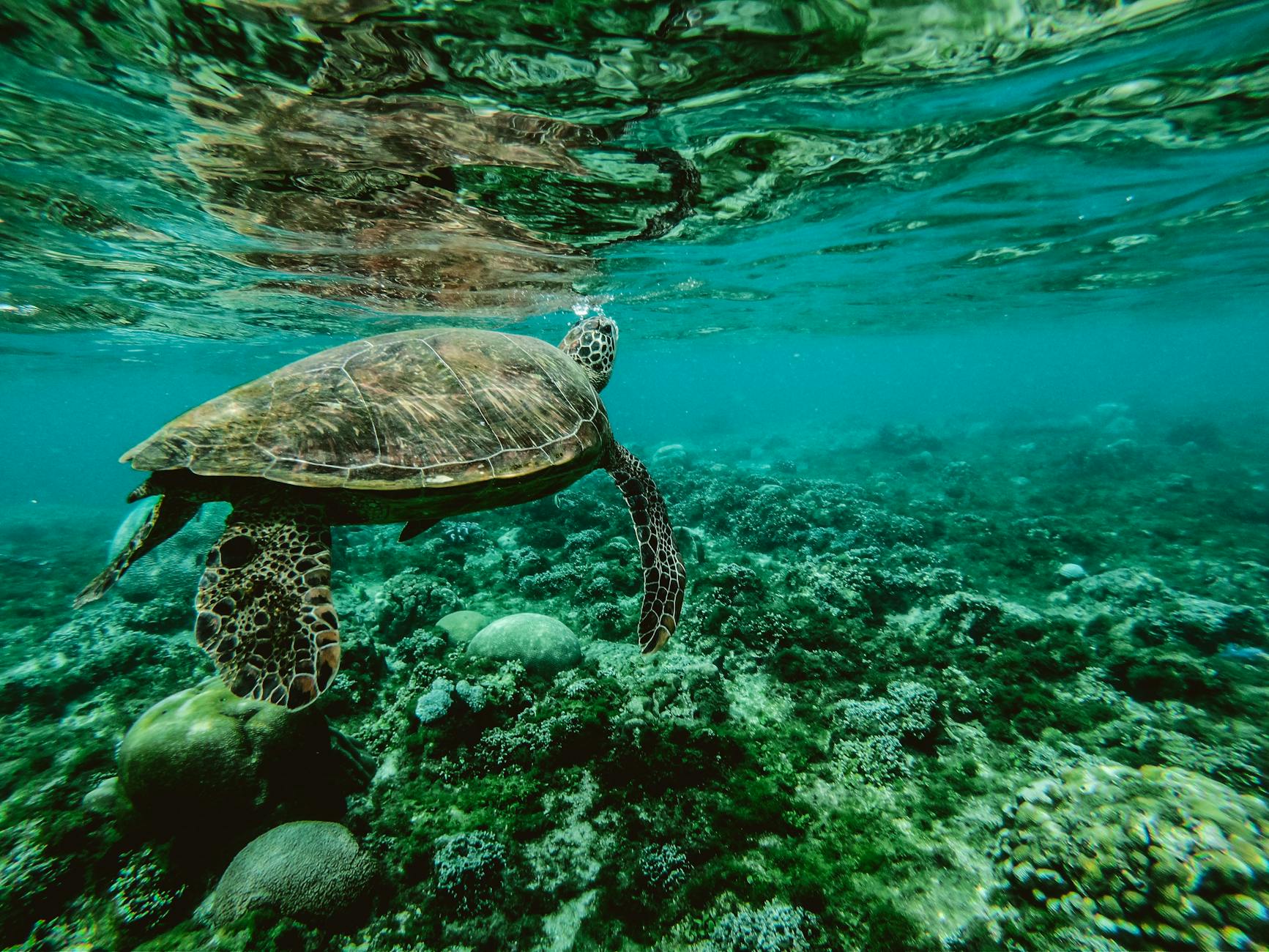
1. Sea Turtles on the Rise: For Earth Day we bring you a feel-good story about sea turtle conservation. A recent global study reveals that sea turtle populations are increasing at twenty-eight sites worldwide, with only five showing declines. Notably, on Sal Island off the northwest coast of Africa, loggerhead nests surged from 500 in 2008 to 35,000 in 2020. Similarly, Ridley turtles in the Gulf of Mexico rose from 702 nests in 1985 to 17,000 in 2022. These recoveries are attributed to conservation efforts since the 1970s, including banning the trade of turtle products, protecting nesting sites, and using escape devices on fishing nets. While challenges like climate change persist, these successes highlight the effectiveness of dedicated environmental protection. If you’re interested in classroom experiments related to Earth Day check out this article!
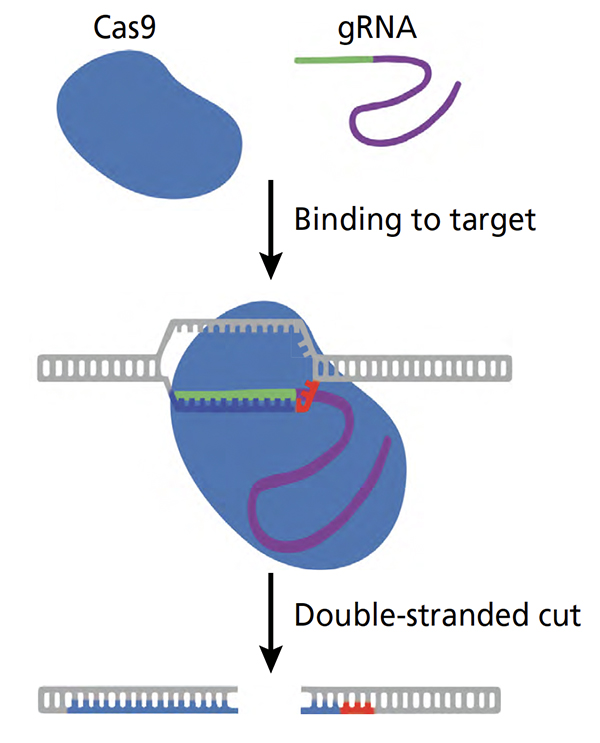
2. CRISPR 2.0: For DNA Day we bring you a fascinating advance in CRISPR DNA editing technologies. David Liu, a molecular biologist at the Broad Institute of MIT and Harvard, has developed an advanced gene-editing technology called base editing, which allows scientists to make precise changes to DNA and is being dubbed “CRISPR 2.0.” Unlike the earlier CRISPR-Cas9 system, which cuts both strands of DNA and can introduce errors, these new methods enable the correction of specific genetic mutations without Cas9 cutting the DNA strands. In Liu’s system Cas9 is modified so it can no longer cut DNA and instead another, less-error prone enzyme is included to substitute specific base pairs in DNA. The Cas9 is used to locate a specific section of DNA and the other enzyme makes specific base pair substitutions. Base editing can fix about 30% of disease-causing mutations, and a more advanced application of this technology known as prime editing can replace entire faulty DNA sections with functional ones. These innovations have already been used in clinical trials to treat several genetic disorders, offering hope for more effective treatments for diseases such as cystic fibrosis in the future.
 The Official Blog of Edvotek®