


Forensic Science is one of the most exciting fields of science and biotechnology! Forensic science utilizes the scientific method and techniques in order to investigate crimes. It encompasses a wide variety of scientific practices such as the analysis of DNA, fingerprints, blood, toxicology, enzymology and much more. Edvotek is here to provide you with several kits providing an engaging experience to get students out of their desks and show them what a real life forensic scientist experiences.
Edvo-Kit 191: Blood Typing
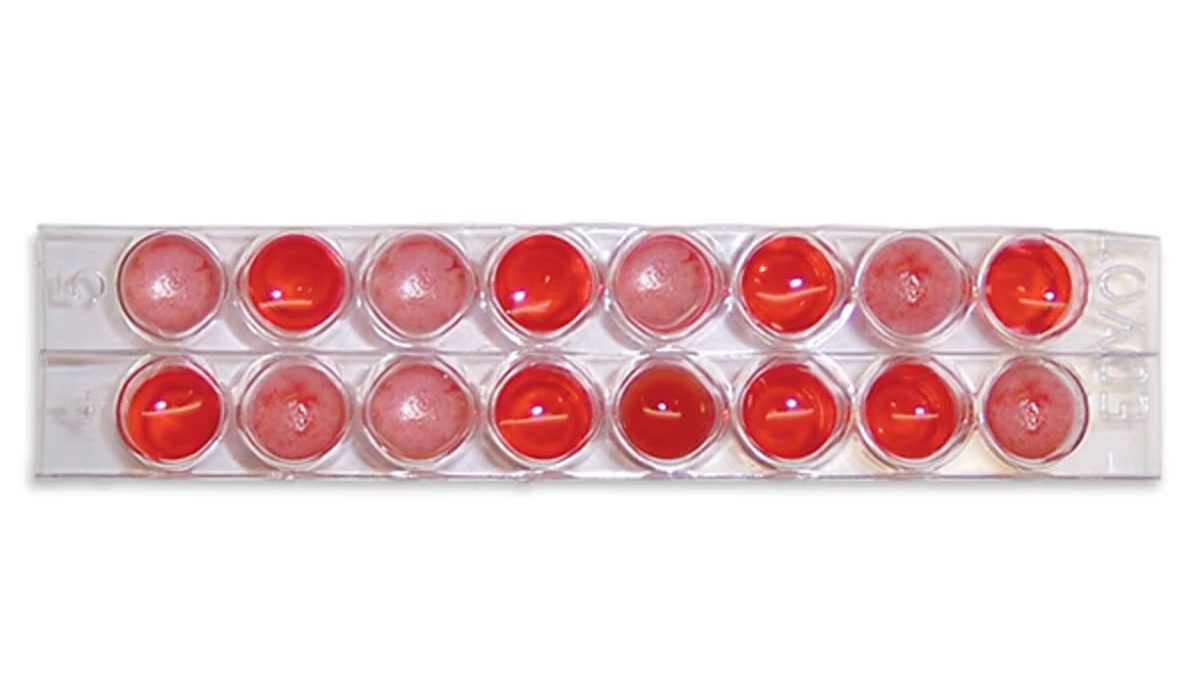
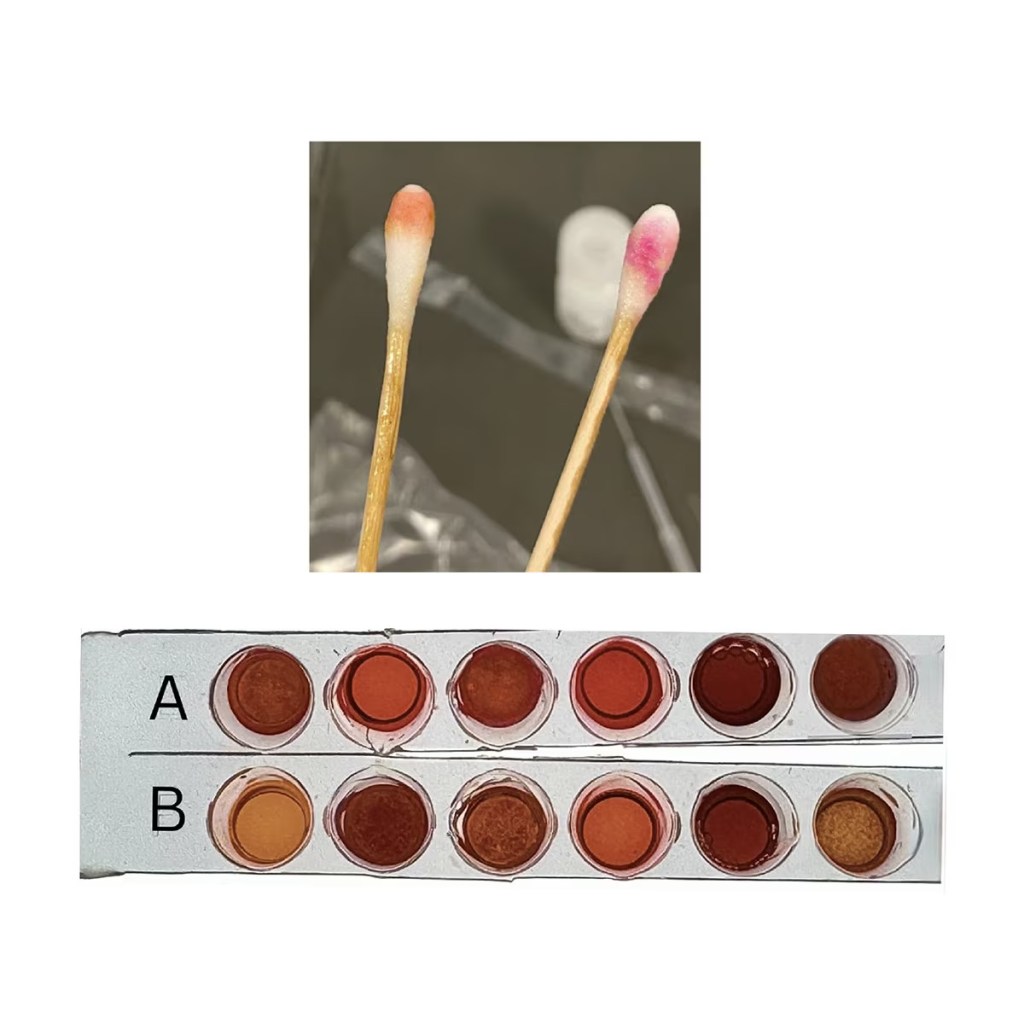
With Edvo-Kit 191 students will perform an experiment to familiarize them with some of the techniques used by forensic scientists for analyzing blood. Students will solve a crime scene scenario by performing presumptive and confirmatory forensic tests in order to first determine if the samples found at the crime scene are indeed blood. Students will learn the chemistry behind the Kastle-Meyer test for detecting the presence of hemoglobin while performing the initial presumptive test. The presumptive test will then be confirmed by a confirmatory test that definitively detects blood. For confirmation, blood typing is performed via a hemagglutination assay. This assay treats the blood sample with antibodies specific to each of the four possible blood types (A, B, AB, O). When the antibodies match the antigen of the red blood cells corresponding to that person’s blood type they will form a complex that precipitates out of solution and is visible to the human eye. The blood typing test not only confirms that the crime scene sample is indeed blood but provides information about the suspect in the form of their blood type. This kit can be completed in 50 minutes and has enough material for 10 student groups to perform the analysis. For a detailed rundown of this kit, check out this great presentation walking through the entire process.
Edvo-Kit 371: DNA Fingerprinting Using PCR
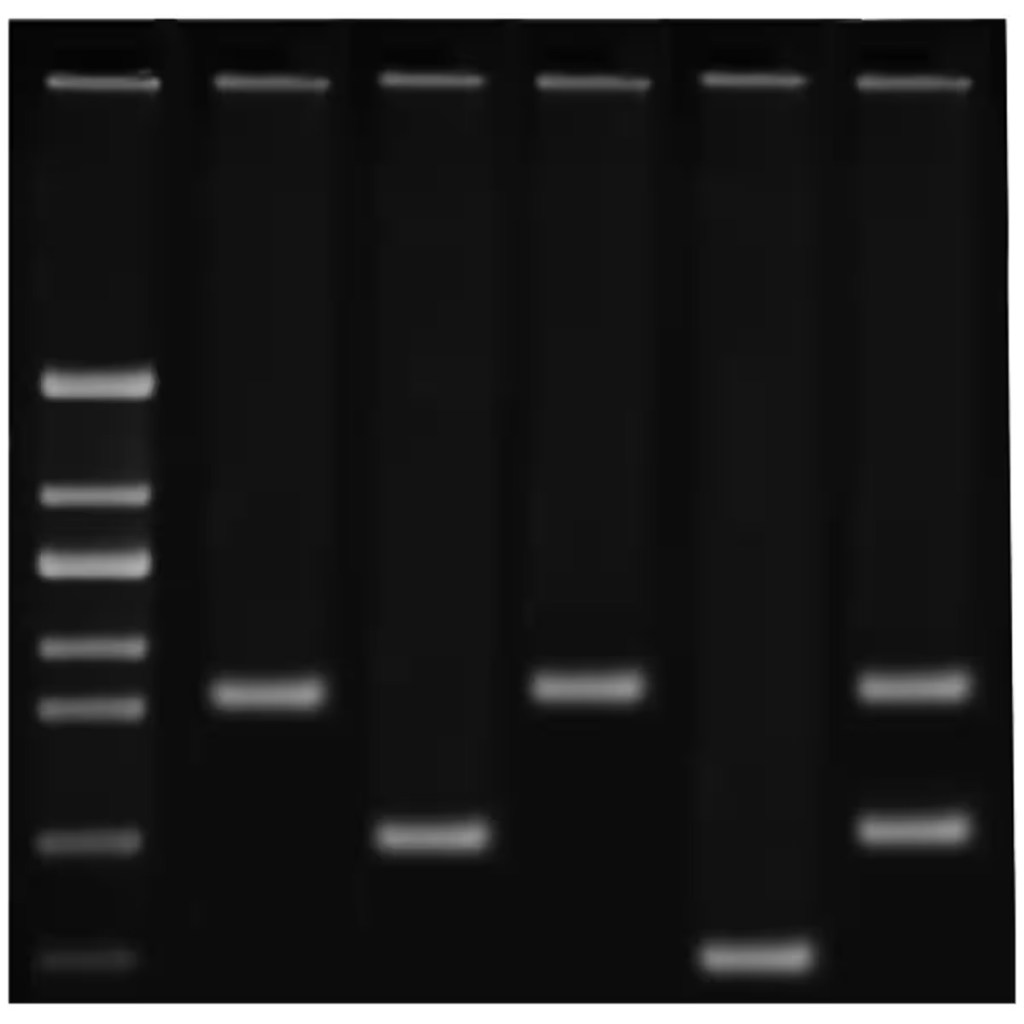
In Edvo-Kit 371 students use Polymerase Chain Reaction (PCR) and DNA fingerprinting to match DNA found at a crime scene to four different suspects in order to solve a crime. The human genome is 99.9% similar between humans, with regions that vary from person to person known as polymorphisms. These polymorphic regions are amplified via PCR in order to obtain a collection of DNA fragments unique to the individual person, known as a DNA fingerprint. Students will get a chance to extract the DNA from blood samples and then perform PCR to create DNA fingerprints for each suspect. These DNA fingerprints will be visualized via agarose gel electrophoresis in order to identify which suspect’s DNA fingerprint matches the one found at the crime scene. This experiment can be completed in two class periods, one where you perform the PCR and another where you perform the electrophoresis. If you’re interested in completing this activity within one class period, please check out Edvo-Kit 130 for a simulated version that provides you with ready-to-load PCR reactions obtained from the suspects of the crime.
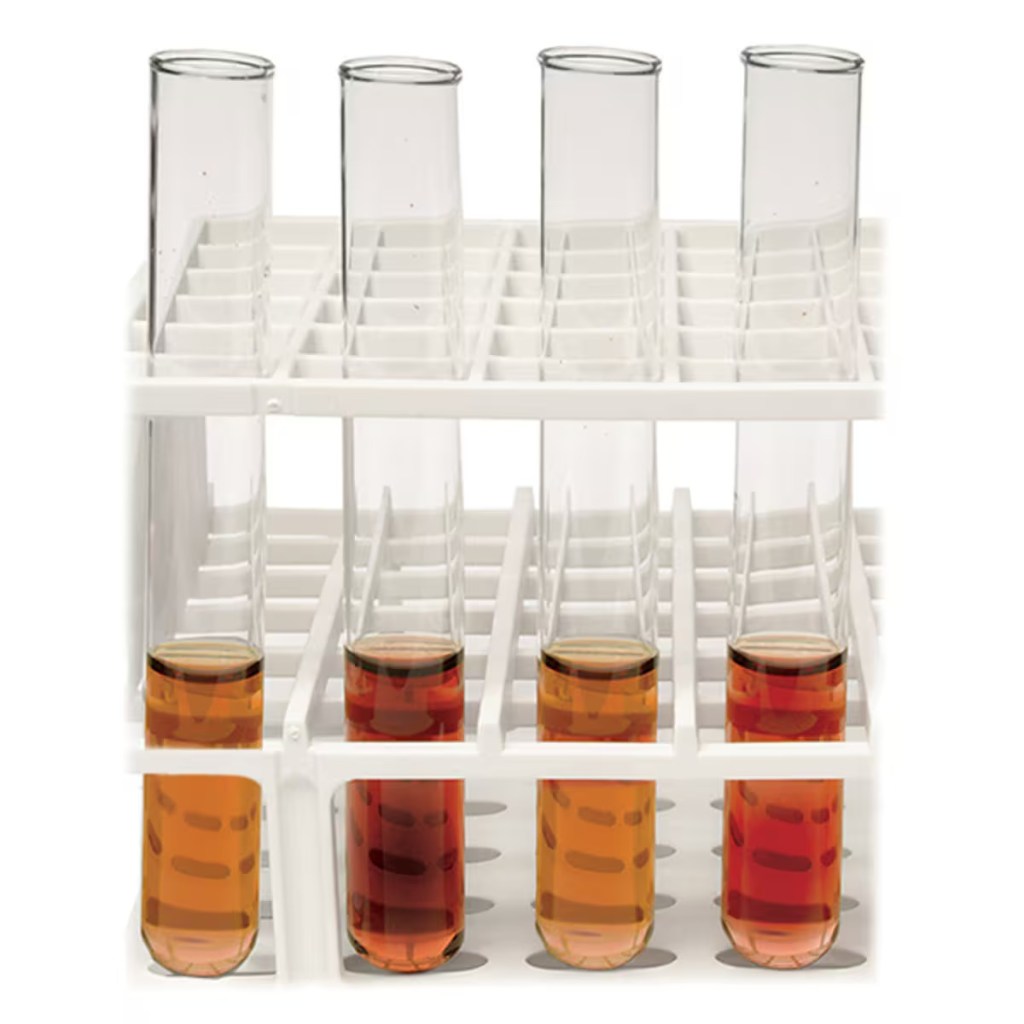
When it comes to forensic kits, Edvotek has a lot to offer. If you’re interested in additional forensic techniques check out Edvo-Kit 193: Forensic Enzymology as well as Edvo-Kit 195: Forensic Toxicology. Additionally, if you’re looking for a more immersive and hands-on crime solving activity, check out our latest forensic escape room kit.

I hope you have enjoyed this overview of forensic science at Edvotek. For more Edvotek related news and information stay tuned to our blog and be sure to check out our latest Career Exploration Podcast episode!
 The Official Blog of Edvotek®
1 comment
Comments are closed.