


Here at Edvotek, we always have new ideas circulating the lab, and new kits in production. We love to bring real world techniques and therapies into the classroom setting, which is why we are so excited to launch our brand-new kit! Kit 308: Fixing Genes, Fighting Disease: A Hands-On CRISPR Lab is a CRISPR simulation designed to educate students on the clinical therapies being used to treat Duchenne Muscular Dystrophy (DMD). DMD is a X-linked recessive neuromuscular disorder caused by mutations in the DMD gene that affects 1:3,500-5000 male infants. The DMD gene encodes for the protein Dystrophin, which is essential for the mechanical stability of muscle fibers. Without proper functioning Dystrophin, patients suffering from DMD have a life span of 25-40 years, and endure symptoms such as progressive weakness, loss of mobility, and eventually, life threatening heart and respiratory failure. It is next generation gene editing technologies like CRISPR that are being used as a potential cure for a terrible human disease.
How is CRISPR being used to treat DMD?
Being one of the largest known human genes, DMD is more susceptible to mutations, the most common being frameshift mutations and stop codon insertions. With the help of CRISPR, we are able to directly target these mutations with the use of guide RNA (gRNA), that allow CRISPR to cut out the section with the mutation. Once the mutation has been targeted and removed, DNA repair pathways such as non-homologous end joining (NHEJ) and homology-directed repair (HDR) can be used to fuse the DNA strands back together, ideally solving the issue. With the mutation removed, the DMD gene should resume into production of Dystrophin, remedying chronic symptoms for patients. It is from this concept that we created Kit 308!
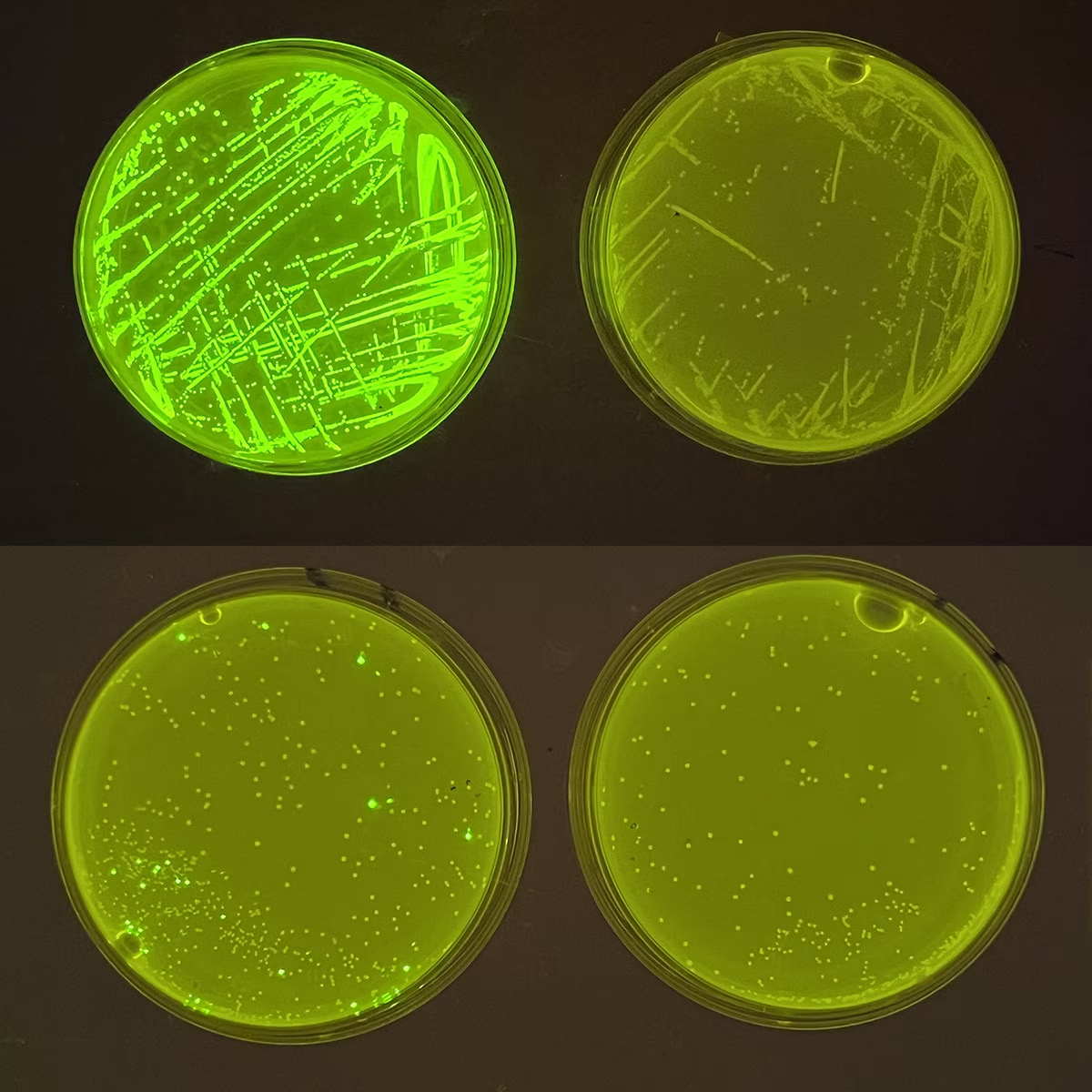
Simulating CRISPR repair of DMD with Bacteria
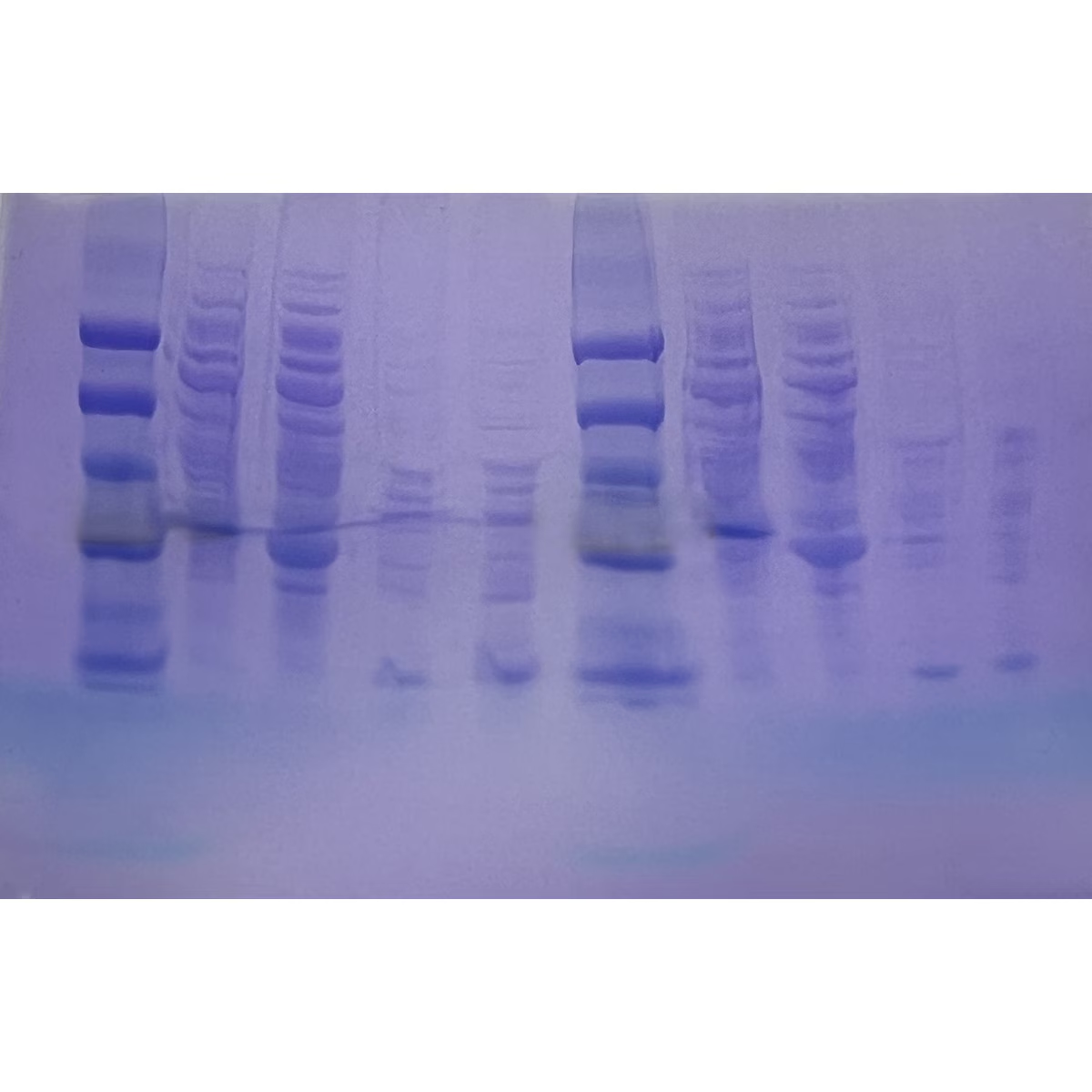
This hands-on lab experience allows students to navigate the use of gene-editing tools like CRISPR to correct genetic mutations in a model system. Students will be given a mutated fluorescent plasmid (GFP) that has a stop codon inserted to disrupt fluorescence, simulating a DMD patient without proper function of the Dystrophin protein. Students will dive into restoring proper protein function by utilizing novel techniques like ligation and bacterial transformation, resulting in a mix of colonies that have taken on the treatment (green) and colonies that haven’t (white). From here students will isolate and expand the different colonies and move forward to protein extraction, which will allow for protein function analysis via gel electrophoresis. By the end of this expansive kit, students will have a better understanding of how CRISPR is being used clinically for the treatment of genetic human disease!
Interested in additional CRISPR related kits? Give these ones a shot:
Kit 135: Using CRISPR To Treat Cystic Fibrosis
 The Official Blog of Edvotek®