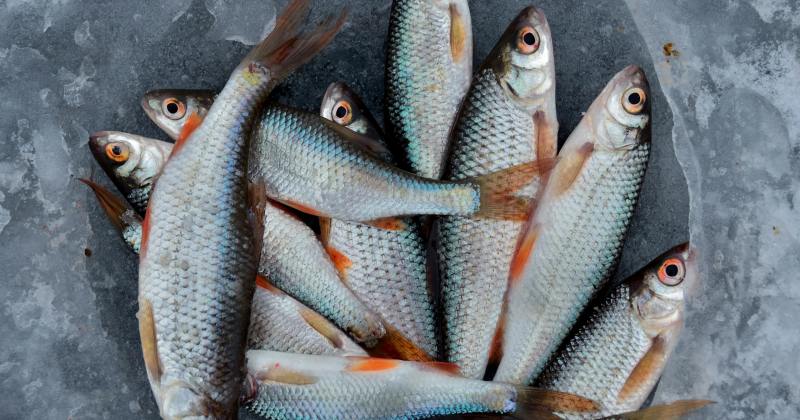

If you’ve ever ordered red snapper at a restaurant or picked it up at the grocery store, you might assume you’re getting exactly what the label promises. But according to several studies and seafood fraud investigations, there’s a good chance you’re not. In fact, red snapper is one of the most commonly mislabeled fish in the market. So how can we tell the difference between the real thing and an imposter? DNA barcoding is the answer.
What Is DNA Barcoding?
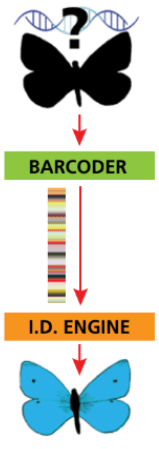
DNA barcoding is a genetic method used to identify species based on short, standardized regions of DNA. Think of it like the barcode on a product in a store, but instead of scanning groceries, scientists scan a small segment of a gene to figure out what species a sample came from. For animals, one of the most common regions used is the cytochrome c oxidase I (COI) gene, found in mitochondrial DNA. It mutates slowly enough to remain stable within species, but quickly enough to distinguish between them. When scientists want to test if a sample of fish is actually red snapper, they extract a small amount of tissue usually a piece of fin or muscle and isolate the DNA. Using PCR (polymerase chain reaction), they amplify the COI gene segment, sequence it, and then compare that sequence against a global reference database like the Barcode of Life Data Systems (BOLD) or GenBank. If the sequence matches Lutjanus campechanus, it’s legit. If it matches another species, it’s fraud.
Why Red Snapper?
Red snapper (Lutjanus campechanus) is a prized catch, both in taste and price. But it’s frequently substituted with cheaper species like tilapia, rockfish, or other types of snapper. In some markets, up to 90% of fish labeled as red snapper were actually another species, according to DNA testing by advocacy groups like Oceana. The implications of sea food fraud go beyond consumer deception and can also negatively affect biodiversity, public health and the economy.
The economy, as honest fishers and sellers lose business to fraudulent ones
Public health, when people with allergies eat the wrong mislabeled fish and have an allergic reaction.
Conservation, as overfished or endangered species may be sold unknowingly preventing accurate population size estimates.
A Tool for Transparency
The good news is DNA barcoding is becoming more accessible, even being used by regulatory agencies, citizen scientists, and high school students. Portable DNA sequencers and open-source reference libraries are making seafood verification easier and cheaper than ever. DNA barcoding is a powerful reminder that even in our food systems, appearances can be deceiving. As technology advances, tools like this could help build a more honest seafood industry—one where “red snapper” actually means red snapper.
For a more in-depth lesson about the process of DNA barcoding and the techniques involved consider purchasing the newest kit Reeling in the Truth: Identifying Red Snapper using Genetic Analysis available now.
Or to read more about DNA barcoding read our last blog post on the subject.https://blog.edvotek.com/2014/10/20/dna-barcoding-identifying-organisms-at-the-molecular-level/
 The Official Blog of Edvotek®