


When you think of pollution, you might picture oil spills or plastic waste. But one of the biggest threats to our waterways is something much more invisible — nutrients. Specifically, two essential nutrients for life, nitrate (NO₃⁻) and phosphate (PO₄³⁻), can cause major environmental problems when they appear in excess. This process, called eutrophication, is transforming lakes, rivers, and coastal waters around the world in a bad way.
When farms apply more fertilizer to a field than the crops can use, the excess nutrients don’t just disappear. Instead, they can wash into rivers, lakes, or oceans during rainstorms. Once in the water, the same nutrients used to nourish our crops can throw ecosystems out of balance. The phosphates fuel the rapid growth of algae, leading to an algal bloom. When the algae eventually die and are broken down by bacteria, the decomposition uses up the dissolved oxygen in the water and creates dead zones where aquatic life cannot survive. This process, called eutrophication, has disastrous consequences not only for the aquatic environments, but for the surrounding land and all life that depends on healthy watersheds.
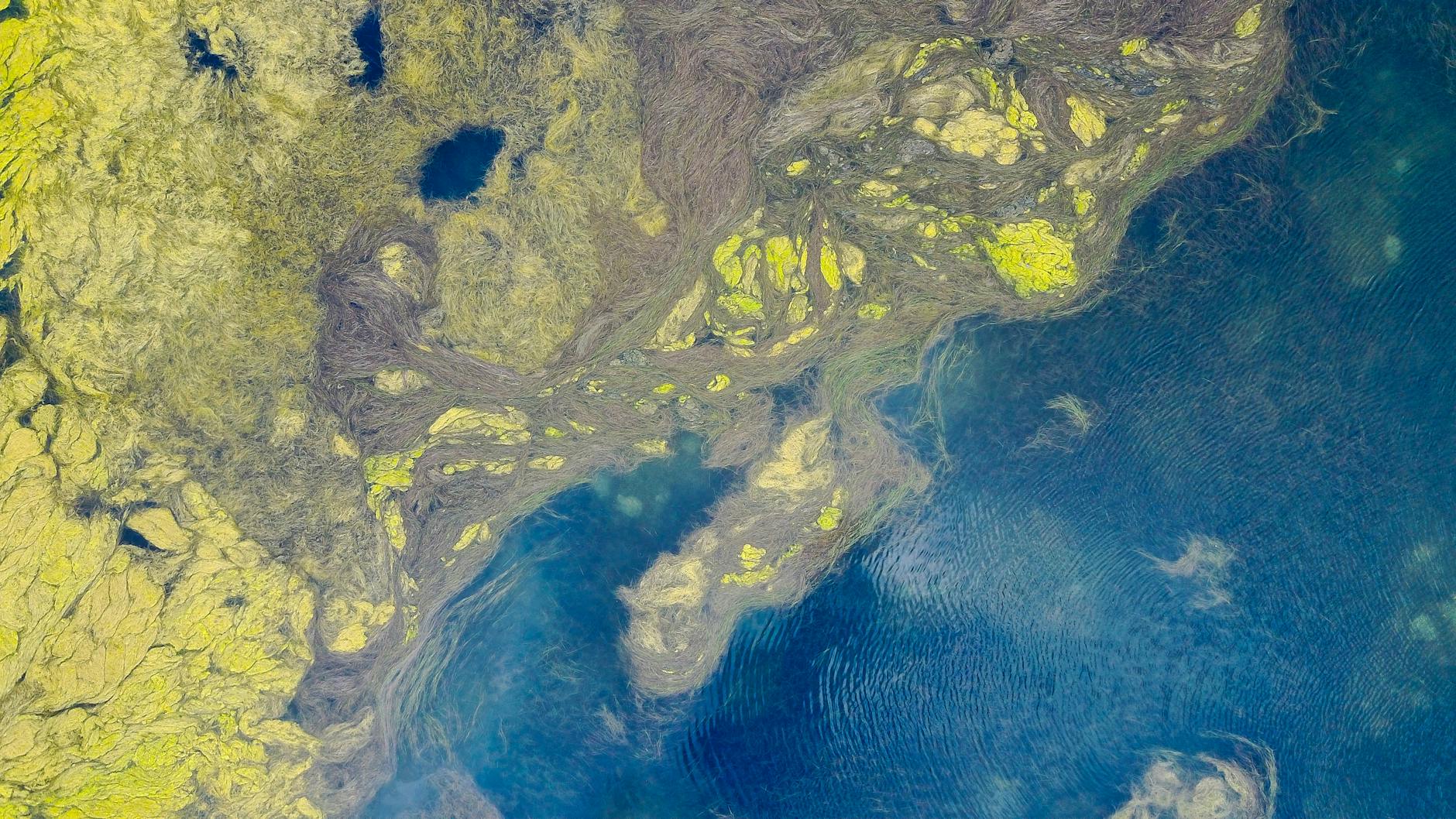
Eutrophication is a massive threat to the environment which generally progresses in the following way:
- Phosphates and other nutrients enter a watershed in unnaturally high amounts.
- Naturally occurring algae use these nutrients to grow their population.
- Algae populations grow to massive sizes, covering the surface of the water, which blocks sunlight for aquatic plants.
- Algae populations outgrow themselves and die off, sinking to the bottom of the water.
- The decomposition of algae uses dissolved oxygen in the water that fish and other aquatic organisms use to breathe, creating dead zones in the water.
- Aquatic organisms die or are forced to leave as less and less dissolved oxygen is available.
- Some algae release toxins into the water supply which can poison fish, shellfish, and even humans through contaminated water and seafood.
- Terrestrial organisms which depended on the fish or aquatic life are negatively affected and their populations drop, creating a chain reaction across the food web.
- The end result of eutrophication is a water system with little to no life. Without aquatic plant life, there’s not enough dissolved oxygen available in the water system to support animal life, making “dead zones” difficult to restore.
Nitrates and phosphates can enter waterways from many sources:
- Agricultural runoff: Fertilizers and animal waste from farms are the biggest contributors.
- Wastewater: Human sewage and detergents can contain high phosphate levels.
- Urban runoff: Lawn fertilizers and stormwater carry nutrients into storm drains.
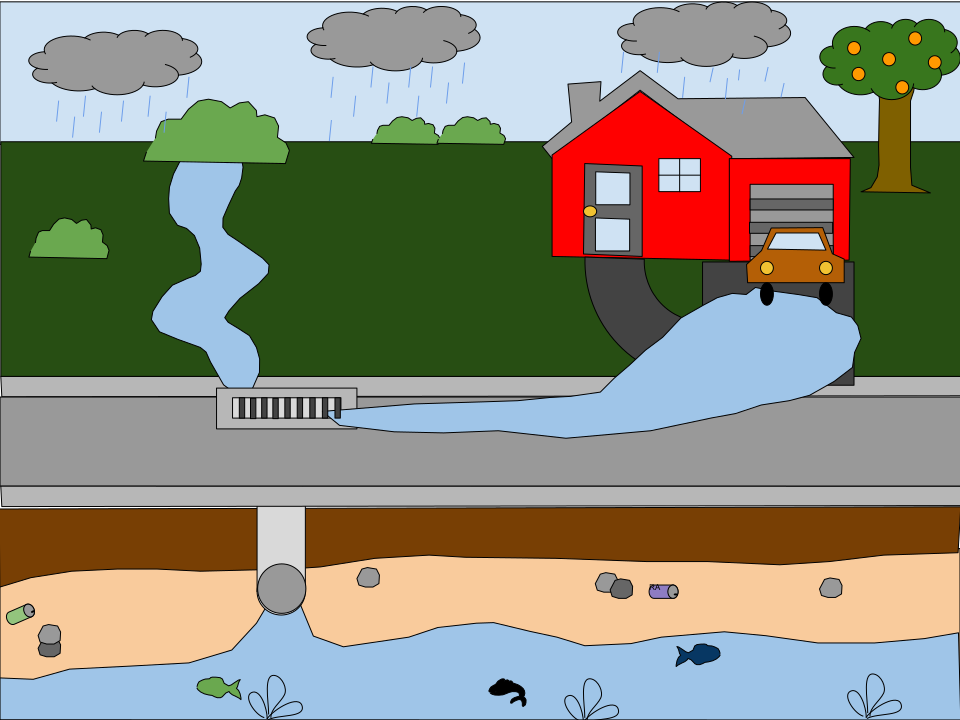
Even a small increase in nutrient concentration can trigger an algal bloom. For example, the U.S. Environmental Protection Agency recommends less than 40 parts per billion of phosphorus in clean drinking water — that’s less than a few drops in an Olympic-sized swimming pool! Furthermore, high concentrations of nitrates and nitrites in food or water can affect your blood by changing hemoglobin – the molecule that transports oxygen through your body – making it harder for your body to get the oxygen it needs.
The best way to fight eutrophication is to keep nutrients out of waterways in the first place through a focus on farming practices and infrastructure. Some effective strategies include:
- Buffer strips: Planting grasses or trees along riverbanks traps excess nutrients before they reach the water.
- Crop rotation and precision fertilization: Helps prevent nutrient buildup in soils.
- Proper manure management: Composting and covered storage prevent runoff from livestock farms.
- Phosphate-free detergents: Reduce nutrient loads from household wastewater.
- Upgraded sewers and septics: Prevent household waste from entering local bodies of water.
By combining these practices, communities can protect local ecosystems, restore water quality, and ensure that the rivers and lakes we depend on remain healthy for generations. Edvotek offers a series of environmental science experiments that would be a great fit in your classroom laboratory. Check them out today! https://www.edvotek.com/Experiments/Environmental-Science
 The Official Blog of Edvotek®