Polymerase Chain Reaction (PCR) is a lab technique used to make millions of copies of a specific piece of DNA. PCR works by heating the DNA to separate the strands, then cooling it so short pieces of DNA called primers…
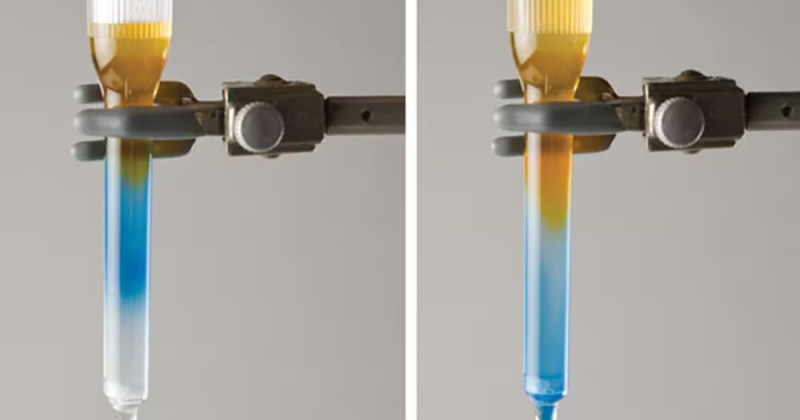
Chromatography is a fundamental technique in biochemistry for separating, identifying, and isolating molecules from complex mixtures. Through the exploitation of physical or chemical differences between base components such as size, charge, hydrophobicity, or specific binding affinities, chromatography allows scientists to…
Both CRISPR-Cas technology and restriction enzymes are key tools in molecular biology, particularly for editing and manipulating DNA. They act as molecular scissors that cut DNA at specific sites. This allows scientists to alter genetic material for various reasons, such…
Forensic Science is one of the most exciting fields of science and biotechnology! Forensic science utilizes the scientific method and techniques in order to investigate crimes. It encompasses a wide variety of scientific practices such as the analysis of DNA,…