News

Biotech Basics: Classroom Aseptic Techniques

For many biotech experiments, precision and purity are vitally important. Whether you are culturing cells, cloning DNA, or analyzing student samples, any contaminant risks ruining the entire experiment. That's why aseptic technique is a cornerstone of every successful teaching lab…

Mastering biotech lab safety: tips for handling chemicals, heat, and microbes

As a student, the biotechnology lab is the place where you bridge the gap between classroom concepts and the real-world techniques used in research labs around the world. However, as an educator, you have to be mindful of the potential…

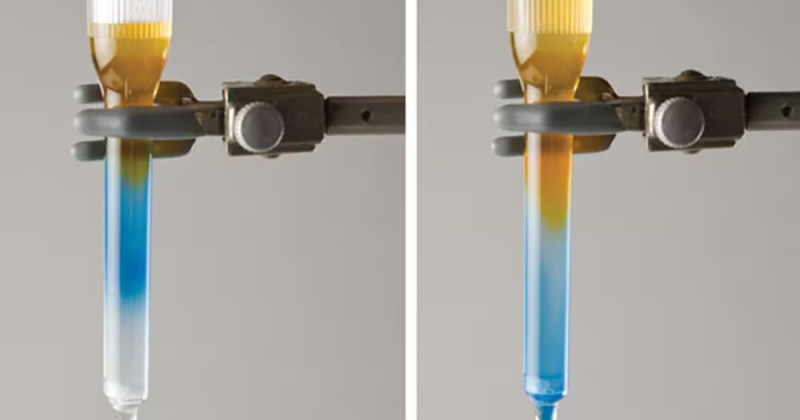
Exploring Different Methods of Chromatography

Chromatography is a fundamental technique in biochemistry for separating, identifying, and isolating molecules from complex mixtures. Through the exploitation of physical or chemical differences between base components such as size, charge, hydrophobicity, or specific binding affinities, chromatography allows scientists to…

Get the Best Results: How to Choose the Right Agarose Gel Percentage

Agarose gel electrophoresis is a staple in any biotechnology classroom. It’s a powerful tool to visualize DNA fragments, but there’s one small detail that makes a big difference—the percentage of agarose in your gel. So how do you know what…