


The 2024 Nobel Prize in Chemistry has been awarded to David Baker for computational protein design and Demis Hassabis and John Jumper for protein structure prediction. These researchers utilized computational biochemistry to further our understanding of proteins, the essential molecules that drive biological processes. Their work has not only advanced the field of protein design but also significantly improved our ability to predict protein structures, marking a pivotal moment in biochemistry.
Proteins are generally made up of twenty different amino acids, which can be described as the building blocks of life. These amino acids link together in a chain which folds in on itself and can form a complex with other amino acid chains. Amino acids fold to create a protein’s three-dimensional structure which then determines the protein’s function.

David Baker is recognized for his remarkable achievement in constructing entirely new proteins. Baker has developed a method of using computer algorithms to design proteins with unique structures and functions that havent been seen in nature. Since 2003, he has led efforts to engineer proteins that have unique functionalities, paving the way for innovative applications in pharmaceuticals, vaccines, and nanotechnology. For example, during the COVID-19 pandemic he designed a “miniprotein inhibitor” nasal spray which utilized artificial proteins to block cellular receptors of SARS-CoV-2. His work exemplifies the potential of synthetic biology to create tailored proteins that can address complex biological challenges.
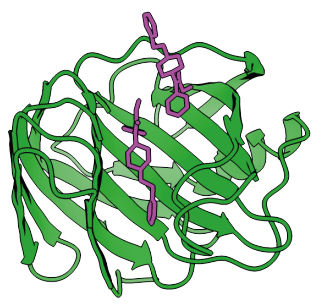
Meanwhile, Demis Hassabis and John Jumper have developed AlphaFold2, an AI-driven model that has revolutionized protein structure prediction. This tool addresses a challenge that has puzzled scientists for decades: accurately determining how amino acid sequences fold into functional three-dimensional structures. The implications of this research extend beyond theoretical science. For example, AlphaFold2 has been instrumental in advancing our understanding of antibiotic resistance and in creating enzymes capable of degrading plastic waste. This powerful tool has been adopted by researchers worldwide, enhancing collaborative efforts to tackle pressing global issues. Since its release in 2020, AlphaFold2 has predicted the structures of nearly all 200 million proteins known to researchers, facilitating a deeper understanding of protein function and interactions.
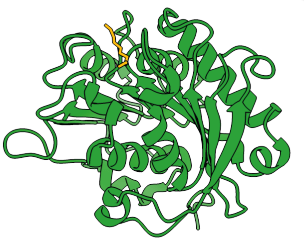
As life itself is rooted in the function of proteins, the ability to predict their structures and design new variants will benefit humanity tremendously. The 2024 Nobel Prize in Chemistry not only highlights the extraordinary achievements of Baker, Hassabis, and Jumper but also marks a new era in the exploration of life’s fundamental building blocks, paving the way for innovative solutions to some of the most challenging problems facing our world today.
 The Official Blog of Edvotek®