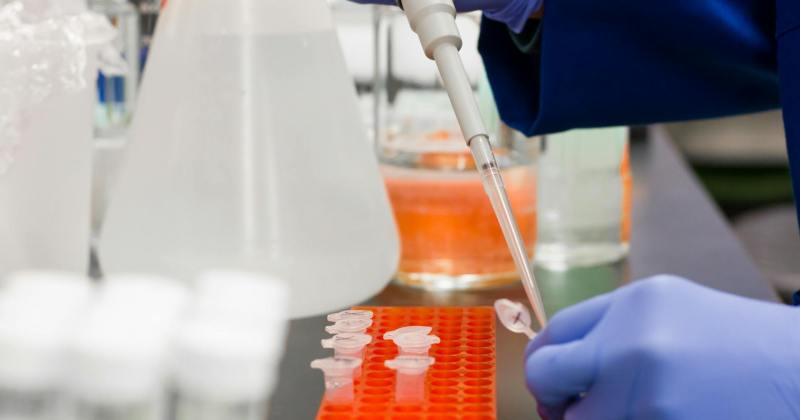
Exploring Different Methods of Chromatography

Chromatography is a fundamental technique in biochemistry for separating, identifying, and isolating molecules from complex mixtures. Through the exploitation of physical or chemical differences between base components such as size, charge, hydrophobicity, or specific binding affinities, chromatography allows scientists to…
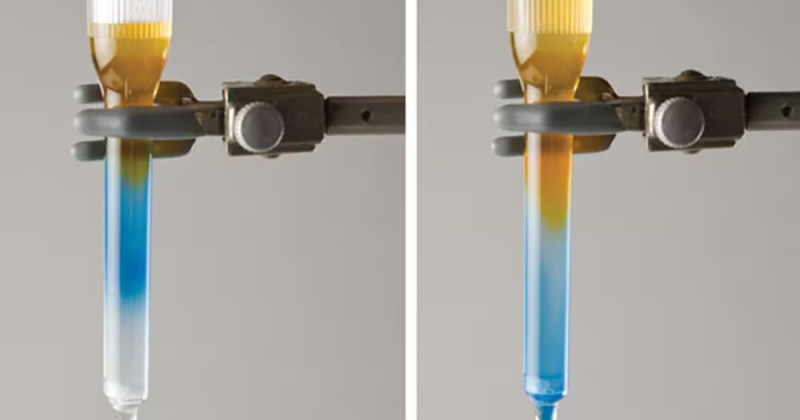
PCR vs qPCR: What’s the Difference and Why Does It Matter?

We’re diving deep into one of the most powerful tools in modern biology: PCR, and its high-tech cousin, qPCR. These techniques are the backbone of genetic analysis. Whether your students are curious about forensics, disease testing, genetics, or biotechnology, understanding…

Restriction Enzymes versus CRISPR-Cas

Both CRISPR-Cas technology and restriction enzymes are key tools in molecular biology, particularly for editing and manipulating DNA. They act as molecular scissors that cut DNA at specific sites. This allows scientists to alter genetic material for various reasons, such…